Markets and shopping
Wedding Shopping in Kota: A Practical Planning Checklist
Written by Kota Market Editorial Team · Updated
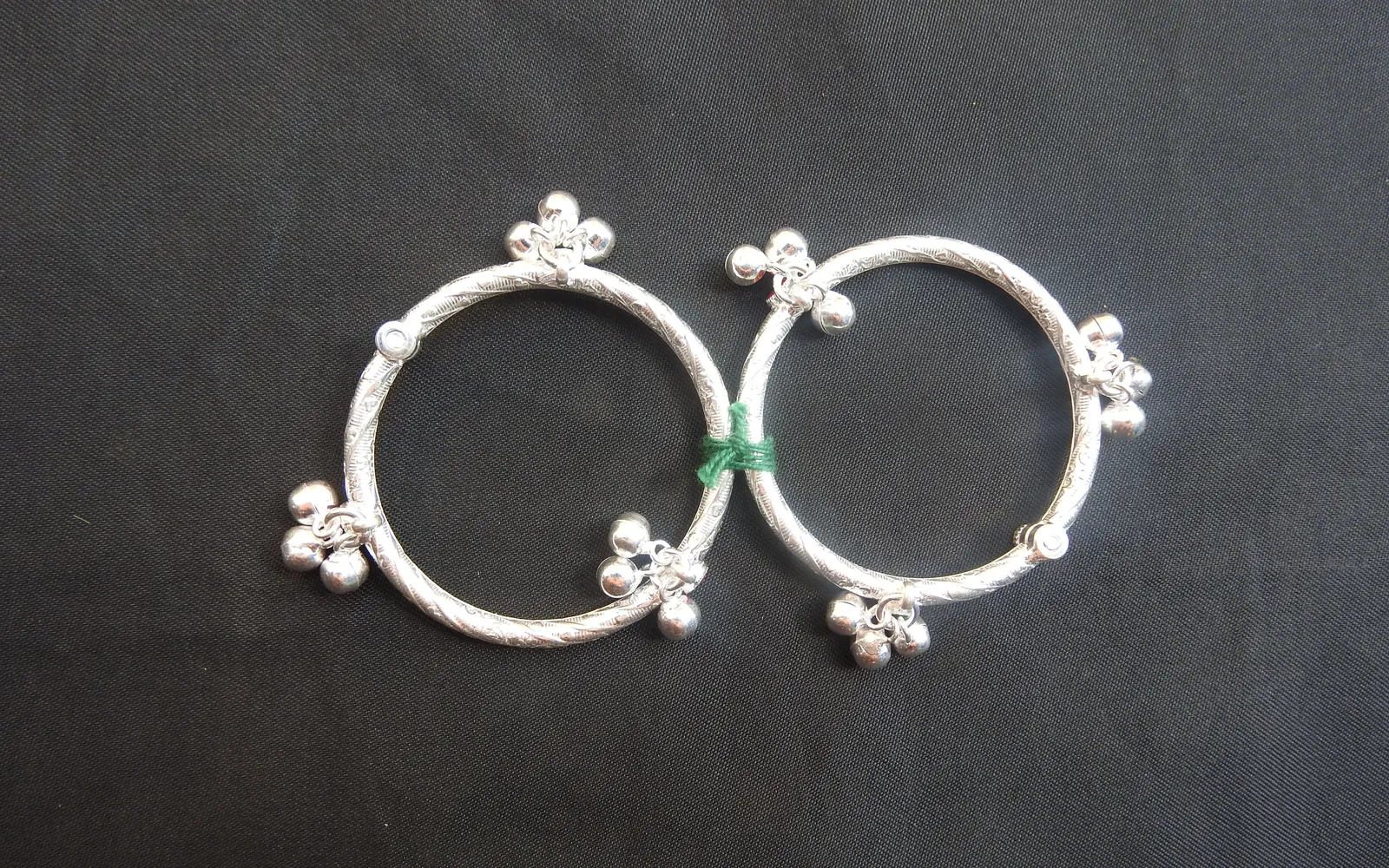
In the wedding season, Kota’s markets fill with families buying lehengas and sarees, jewellery, gifts, decorations and everything in between. It is exciting, and it is also the time when tailors are overbooked, prices are least negotiable and decisions get rushed. This guide is a practical checklist for wedding shopping in Kota: what to do first, what to check before paying, and how to keep vendors to their promises.
It does not name shops or give prices. Every family’s budget and traditions are different; the checks below work whatever you spend.
Step 1: one list, one budget
Sit down with the people who will be paying and agree:
- A total budget, and a rough split: clothes, jewellery, gifts and shagun, food, venue and decoration, travel and stay for guests.
- Who buys what: bride’s side, groom’s side, relatives.
- A buffer for the inevitable extras.
Write it down. A shared list on a phone avoids buying the same thing twice.
Step 2: a realistic timeline
Work backwards from the wedding date:
- First: book the caterer, decorator and other vendors who serve many weddings on the same auspicious dates.
- Next: choose fabrics and outfits that need stitching or alterations, and place any jewellery orders.
- Then: gifts, return gifts, decorations and ready-made items.
- Last weeks: trials and fittings, final payments, and small items.
Tailors and jewellers in Kota get extremely busy before Diwali and throughout the wedding season. Give fabric early and ask for a firm delivery date with a trial before it.
Clothes and tailoring
- Sarees and lehengas: check the fabric, the work, the fall and pico, and the blouse piece before you pay. For handwoven Kota Doria with zari, our guide to Kota Doria vs power-loom copies helps you check the weave, and Kota Doria vs Chanderi vs Maheshwari compares festive options.
- Blouses and alterations: our blouse stitching tips list the measurements and what to write on the slip.
- Exchange terms: ask before paying, and get them on the bill. Our guide to no exchange no refund signs explains which refusals are allowed.
- Weather: winter weddings in Kota can be cold in the evening; plan shawls or jackets for outdoor functions. Our winter shopping guide covers woollens.
Gold and silver
Jewellery is usually the biggest single cost, and the place where a check matters most.
- Gold: every piece should carry the BIS hallmark with the purity grade and a six-character HUID. Check the HUID in the BIS Care app before paying. Our gold hallmark guide explains each mark.
- Silver: silver hallmarking works differently; our silver hallmark guide explains the grades and checks.
- The bill: it should show each item’s weight, purity, HUID, rate and making charges separately, along with the jeweller’s GST number, which you can check using our GST number guide.
- Old gold exchange: ask how the old gold will be tested and valued, and get the result in writing.
Gifts and shagun
- Local gifts with meaning, such as Kota Doria dupattas, brassware or handmade crafts, are covered in our gifts guide.
- Sweets and dry fruit boxes: check the best-before date and the maker’s FSSAI number, especially when ordering in bulk.
- Electronics and appliances given as gifts: keep the bill and warranty card with the gift so the couple can claim later.
Caterers, decorators and other vendors
Most wedding disputes start with something that was agreed only by word of mouth. For every vendor, get a written agreement or a detailed receipt that covers:
- Date, time and venue.
- Exactly what is included: menu and quantities, number of staff, crockery, lights, decorations, music equipment.
- Guest numbers and what happens if they change.
- Payment schedule: advance, interim and final amounts.
- Cancellation and postponement terms.
- For caterers: the FSSAI licence or registration number, which you can check in a minute with our FSSAI licence guide.
- For electrical work and lighting: who is responsible for safe wiring. Our electrician guide covers what to check.
Pay advances to an account in the vendor’s business name and ask for a receipt each time.
Paying safely in a busy season
Weddings mean large payments made quickly, often by several family members. Fraudsters know this.
- Confirm bank details by calling a number you already have, not one in a new message saying the account has changed.
- Check the name that appears before you confirm any UPI payment. Our UPI fraud guide explains common tricks.
- Count cash at the counter and check high-value notes; our guide to identifying fake currency notes explains the quick checks.
- Report cyber fraud quickly through the national cyber crime helpline 1930 or cybercrime.gov.in.
If something goes wrong
If a vendor does not deliver what was agreed, or a product is defective, start with a calm conversation and a written complaint. If that fails, the National Consumer Helpline and the District Consumer Commission are the next steps, explained in our consumer complaint guide. The written agreement and receipts you kept will matter most at this point.
A note on guests from out of town
If relatives are travelling to Kota, share a short list of practical tips with them: where the venue is, how to get there, and which local foods and gifts are worth picking up. Our guides to Kota kachori and a day at the Chambal make easy reading for visitors with a free afternoon.
Keep one folder
Keep every bill, agreement and payment receipt in one folder, or as photos in one album on a phone. After the wedding, that folder is what you will need for warranty claims, exchanges and any dispute.
Silk, utensils and household gifts
Three purchases on many wedding lists deserve a closer look before you pay:
- Silk sarees: check for a Silk Mark label you can verify, ask whether the zari is real, tested or plastic, and get the fabric and zari type on the bill. Our guide on how to check pure silk explains the hand and burn tests.
- Utensil sets: steel, brass and copper sets are common wedding gifts and dowry-season purchases. Ask for the steel grade in writing and remember that brass and copper need kalai for cooking; see 304 vs 202 stainless steel utensils.
- Bedding and mattresses for a new couple’s room: lie on the mattress before buying, measure the bed and read the warranty card. Our mattress buying guide compares the main types for Kota’s climate.
For decorations, buy marked lights and do not overload sockets; the LED bulb buying guide has a section on festival and decorative lights.
Frequently asked questions
How early should we start wedding shopping?
Start with the items that take longest: outfits that need stitching or alterations, jewellery orders and vendor bookings. Many families begin several months ahead, because tailors and caterers fill up early in the wedding season.
Is it better to buy wedding jewellery in one shop?
Not necessarily. What matters is that each piece is hallmarked with a HUID you can check in the BIS Care app, and that the bill shows weight, purity, HUID and making charges separately.
What should a caterer's agreement include?
The date and venue, number of guests, the menu, staff, crockery and service included, the payment schedule, what happens if numbers change, cancellation terms and the caterer's FSSAI licence or registration number.
How do we avoid payment fraud during wedding shopping?
Pay advances to accounts in the vendor's business name, confirm bank details by calling a number you already know rather than one in a new message, and get a receipt for every payment.
How do I know a wedding silk saree is pure silk?
Look for a Silk Mark label you can verify, check the feel and lustre in daylight, ask for a burn test on a loose thread and get the fabric, silk variety and zari type written on the bill. Without that in writing, do not pay pure silk prices.
Sources
Editorial team
The Kota Market team writes and updates the shopping guides on this site and corrects them when readers point out errors.