Markets and shopping
Kota Dussehra Mela Shopping: A Practical Visitor Guide
Written by Kota Market Editorial Team · Updated
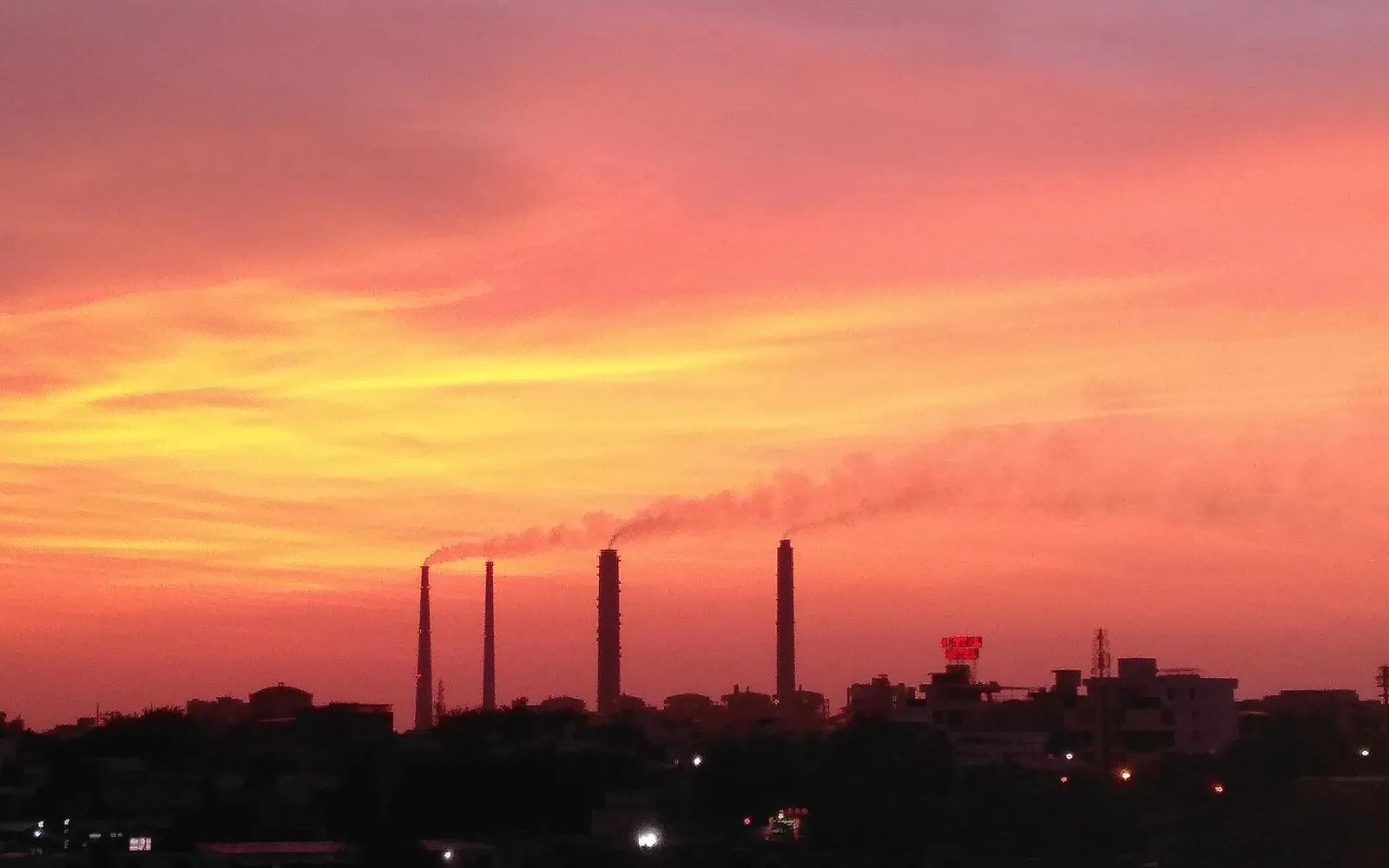
Every autumn the Kota Dussehra Mela turns part of the city into a fairground. Alongside the burning of the giant Ravan effigy on Vijayadashami, there are cultural programmes, rides and, for many families, the main attraction: a huge temporary market where traders from Kota and other states set up stalls. Rajasthan Tourism lists the Dussehra festival among Kota’s best-known attractions, and the fair has been held for well over a century.
This guide is about shopping the mela well: getting there without stress, judging what you buy, paying safely and enjoying the evening. It does not list stalls or prices; those change every year.
Check this year’s dates and arrangements first
The mela is linked to Dussehra, so the dates move every year with the festival calendar. The fair usually runs for a number of days around the festival, but the exact schedule, the programme timings, parking areas and road diversions are announced each year. Before you go:
- Look for announcements from the district administration and the municipal corporation, and in local newspapers.
- Check which roads near the fairground are closed or one-way in the evening.
- Note where parking is allowed. On the busiest evenings, an auto-rickshaw or being dropped off may be easier than finding a space.
When to go
For shopping, timing matters more than anything:
- Weekday afternoons are usually calmer than evenings and weekends. Traders have time to show you things and you can see colours in daylight.
- The Dussehra evening itself is about the effigy and the crowd, not shopping. If you go, go for the spectacle and keep your purchases small.
- The last days often bring talk of clearance and discounts. Some are genuine; some are a way to move stock that did not sell. Check quality as carefully as you would on day one.
What you will usually find
The mix changes year to year, but visitors often find:
- Clothing and textiles: printed cottons, woollens for the coming winter, shawls, bedsheets and furnishing fabric. If you are buying a Kota Doria saree, read our Kota Doria vs power-loom guide first; fairs are full of look-alikes.
- Household goods: steel and brass utensils, kitchen tools, plastics, mats and baskets.
- Handicrafts and decor: lamps, wall hangings, wooden toys, pottery and pieces from other states. Our handloom mark guide explains which labels mean something.
- Footwear, bags and accessories.
- Toys and games for children.
- Food: chaat, sweets, kachori and snacks from many stalls.
How to judge what you buy
Temporary stalls can be excellent value, but the trader may be in another city by next week. That changes how you shop:
- Walk the whole market before buying. The same item often appears at several stalls, at different quality levels.
- Inspect in good light. Unfold fabrics, check seams, test zips and buttons, and look at the back of embroidery.
- Test anything electrical on the spot. Plug-in lights and gadgets should carry the BIS mark where it is compulsory; our ISI mark guide explains how to check a licence number.
- Be careful with “gold” and “silver”. Real precious-metal jewellery should be hallmarked with a HUID. Costume jewellery is fine to buy, as long as it is sold as costume jewellery.
- Ask for a bill on larger purchases, with the trader’s name and address. Change-of-mind returns are unlikely at a mela, but a bill helps if an item turns out to be defective or misdescribed. See our no exchange no refund guide.
- Bargain politely. Fair prices are expected at a mela, but a trader who has travelled far and paid for a stall needs to make a living too. Our smart shopping guide has tips on bargaining fairly.
Paying safely
Crowded fairs attract pickpockets and payment tricks. A few habits help:
- Check the payee name on your UPI app before you pay, and make sure the QR code has not been covered by another sticker.
- Never enter your PIN to receive money. A PIN is only for paying.
- Carry some small change for small items, and keep it separate from your main wallet.
- Keep your phone in a front pocket or a closed bag, especially near the rides and the effigy ground.
Our UPI fraud guide lists the common tricks and what to do in the first hour if something goes wrong.
Eating at the mela
Fair food is half the fun. Choose stalls that cook fresh in front of you, where oil looks clean and turnover is high. Packaged sweets and snacks should show a best-before date and an FSSAI licence or registration number. Drink sealed water, especially with children, and carry a small bottle of your own.
Families and children
- Agree a meeting point that is easy to find, such as a gate or a large landmark, before you split up.
- Put a phone number in a child’s pocket on a slip of paper.
- Ride with care. Look at whether a ride is staffed and supervised before putting a child on it, and skip anything that looks poorly maintained.
- Leave before the crush if you have small children and do not need to see the effigy itself.
Cash at the mela
Many stalls at a big fair still prefer cash, and crowded evenings are exactly when counterfeit notes are passed. Hold high-value notes to the light and tilt them to see the security thread change colour; our guide to identifying fake currency notes explains the look, feel and tilt checks. If you end up with a badly torn note in your change, do not argue at the stall: a bank will exchange a genuine note under RBI’s rules, as our guide on how to exchange torn notes explains.
For sweets and snacks you take home, check the best-before date and the maker’s FSSAI number. Our FSSAI licence guide shows how to look it up.
Getting home
Traffic after the main Dussehra evening can be slow. Decide in advance where you will meet your ride, keep your phone charged, and be patient at the exits. If you are carrying large purchases, ask the trader whether you can collect them as you leave rather than carrying them round all evening.
The mela is one of the best times of year to see Kota’s markets at full energy. For the rest of the festival season, our Diwali shopping in Kota checklist and shopper’s guide to Kota’s markets pick up where this guide ends.
Frequently asked questions
When is the Kota Dussehra Mela held?
It is held around Dussehra (Vijayadashami) each year and usually runs for a number of days around the festival. Exact dates and programme timings are announced each year, so check local announcements from the district administration or municipal corporation.
What can I buy at the mela?
Stalls typically sell clothing and textiles, household goods, toys, handicrafts, footwear, jewellery and snacks, with traders coming from Kota and other states. What is on offer varies by year and by stall.
Can I return something bought at a mela stall?
Change-of-mind returns are rare at temporary stalls. If an item is defective or not as described, you still have consumer rights, but it is much harder to enforce them once a trader has left, so inspect carefully and ask for a bill with the trader's name and address on bigger purchases.
Is it safe to pay by UPI at the mela?
UPI is convenient, but check that the name shown before you pay matches the stall, never enter your PIN to receive money, and watch out for swapped QR stickers on crowded days.
Sources
Editorial team
The Kota Market team writes and updates the shopping guides on this site and corrects them when readers point out errors.