Markets and shopping
Where to Buy Genuine Kota Doria in Kota: A Buyer's Guide
Written by Kota Market Editorial Team · Updated

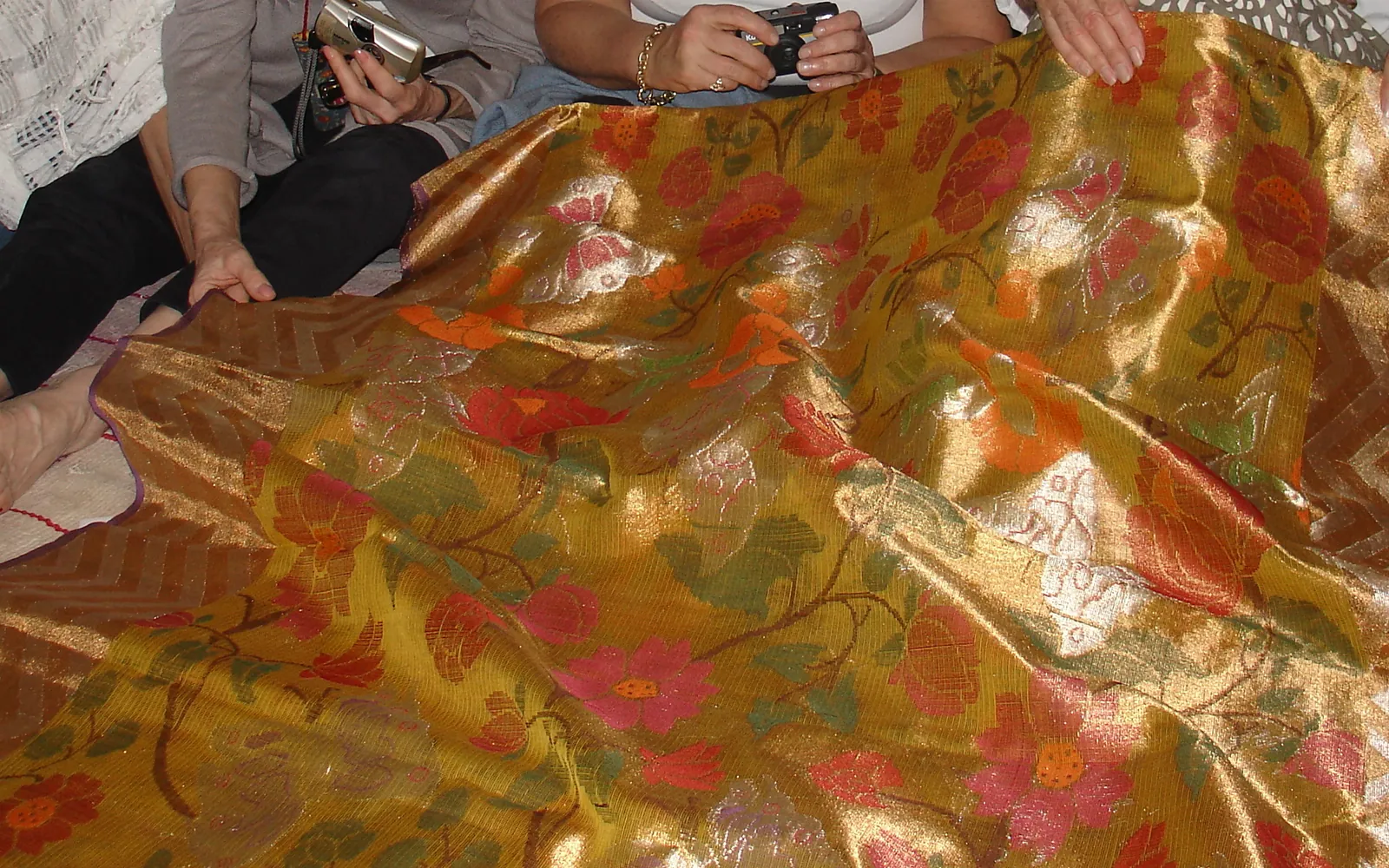
If you want to buy genuine Kota Doria, the best advice is simple: get as close to the source as you can, and inspect every piece in daylight before you pay. Kota Doria is woven on handlooms in and around Kota, Rajasthan, and its name is a registered Geographical Indication. But the fabric is popular enough that power-loom copies are sold everywhere, including in Kota itself.
This guide covers where to look, what to ask and how to judge a fair price. For the background on the weave, see Kota Doria: the featherlight weave. For the detailed inspection checklist, see Kota Doria vs power-loom copies.
Option 1: Kaithoon, the weaving centre
Kaithoon is a weaving town a short drive from Kota city and the place most associated with Kota Doria. Many families there weave at home, and you will also find shops and cooperatives selling directly.
Why go: you can see the looms, compare many pieces in one place, and often learn exactly who wove what. Buying here also tends to send more of the price to the weaver.
Tips for a visit:
- Go in daylight. You need good natural light to judge the khat squares and colours.
- Ask before photographing people or looms.
- Look at several sellers before buying. Quality and prices vary between households.
- Carry some cash as well as a UPI app; small sellers may prefer one or the other.
- Check transport back to the city before you set out.
Option 2: Cloth shops in Kota’s older markets
Inside Kota, long-established cloth and saree shops in the older market areas, such as Rampura and the lanes around it, stock Kota Doria alongside other textiles. Our guide to Kota’s main markets explains how these areas differ.
Why go: convenience, a wide range of colours and designs, and the chance to compare many pieces quickly.
What to watch for: city shops may stock both handwoven and power-loom fabric. A good shopkeeper will tell you which is which without being asked twice. If the answer is vague, move on.
Option 3: Government emporiums and craft fairs
State and central government emporiums and craft fairs (melas) often stock handloom products from registered weavers and cooperatives. Prices are usually fixed, which removes the bargaining, and the sourcing is more likely to be documented. Range can be limited, so check what is in stock.
Option 4: Buying online
Many weavers and cooperatives now sell through their own pages, social media and marketplaces. Online buying is convenient but you cannot touch the fabric, so ask for:
- Close-up photos of the khat squares in daylight.
- A photo of the reverse side of the border.
- The exact fibre content (cotton-silk, pure cotton, zari type).
- The weaver, cooperative or workshop name.
- The return and exchange policy, in writing.
If a seller will not send close-ups, do not buy.
Questions to ask any seller
- Is this handwoven or power-loom?
- Where was it woven, and by whom?
- What is the fibre: cotton-silk, pure cotton, or with zari? Is the zari real or imitation?
- Does it carry a GI, Handloom Mark or India Handloom Brand label?
- Can I see it in daylight?
- What is your exchange policy, and will you write the description on the bill?
Honest sellers answer these easily. The power-loom checklist shows how to check the answers yourself.
Judging a fair price
We do not publish prices, because they change with yarn costs, design and season, and any list would soon be wrong. Instead:
- Compare like with like. A pure cotton dupatta, a cotton-silk saree and a zari saree are different products at different prices.
- Check three or four sellers for the same type before deciding.
- Be suspicious of the bargain. Handweaving a full saree takes days. If one piece is far cheaper than similar ones elsewhere, it is probably a copy.
- Bargain politely, not hard. In markets a little negotiation is normal; at a weaver’s home, a fair price is part of supporting the craft. Our smart shopping guide covers bargaining etiquette.
After you buy
Keep the bill. Wash the piece on its own the first time in case the dye runs, and follow the care steps in our Kota Doria guide. Getting a blouse made to match? Our blouse stitching tips cover lining for sheer Doria and what to agree with the tailor. If you are buying it as a present, a Kota Doria dupatta is one of the easiest gifts from Kota to carry home.
A note on this guide
We do not name individual shops or weavers, and nobody pays to be mentioned here. Shops open, close and change hands, and we would rather show you how to judge any seller than send you to one we cannot vouch for today.
Before and after you pay
Two short checks make any of the buying routes above safer. Before you pay, ask what the label on the piece means and, if the seller says they are a registered GI authorised user, ask for the registered name so you can look it up; our Kota Doria GI tag guide shows where. Ask for a bill that says “handwoven Kota Doria”, the fibre, and whether any zari is real or imitation. After you pay, care decides how long the piece lasts. Find out whether it should be dry cleaned first, and follow our guide on how to wash a Kota Doria saree for everyday cotton pieces. If you are also considering a Chanderi or Maheshwari from the same shop, our three-way comparison helps you decide.
Frequently asked questions
Is Kota Doria only made in Kota?
The registered Geographical Indication covers handwoven Kota Doria from the Kota region, with Kaithoon as the best-known centre. Similar-looking fabric is woven elsewhere on power looms and sometimes sold under the same name.
Is it worth going to Kaithoon to buy?
If you have time, yes. You can see weaving, compare many pieces and often talk to the people who made them. Go during the day, be polite about asking to watch looms, and be ready to compare prices across several sellers.
How much does a genuine Kota Doria saree cost?
Prices vary widely with fibre, zari content, design and the seller, and they change over time, so we do not publish a price list. Compare the same type of saree across three or four sellers and treat a price far below the rest as a warning sign.
Can I buy genuine Kota Doria online?
Yes, but ask for close-up photos of the khat squares and the reverse of the border, the fibre content, the weaver or cooperative, and the return policy before paying.
What should the bill say?
Ask for a bill that names the item as handwoven Kota Doria and states the fibre, for example cotton-silk with zari border, along with the price and the seller's details.
Sources
Editorial team
The Kota Market team writes and updates the shopping guides on this site and corrects them when readers point out errors.