Kota Doria and crafts
How to Wash a Kota Doria Saree at Home Without Damage
Written by Kota Market Editorial Team · Updated
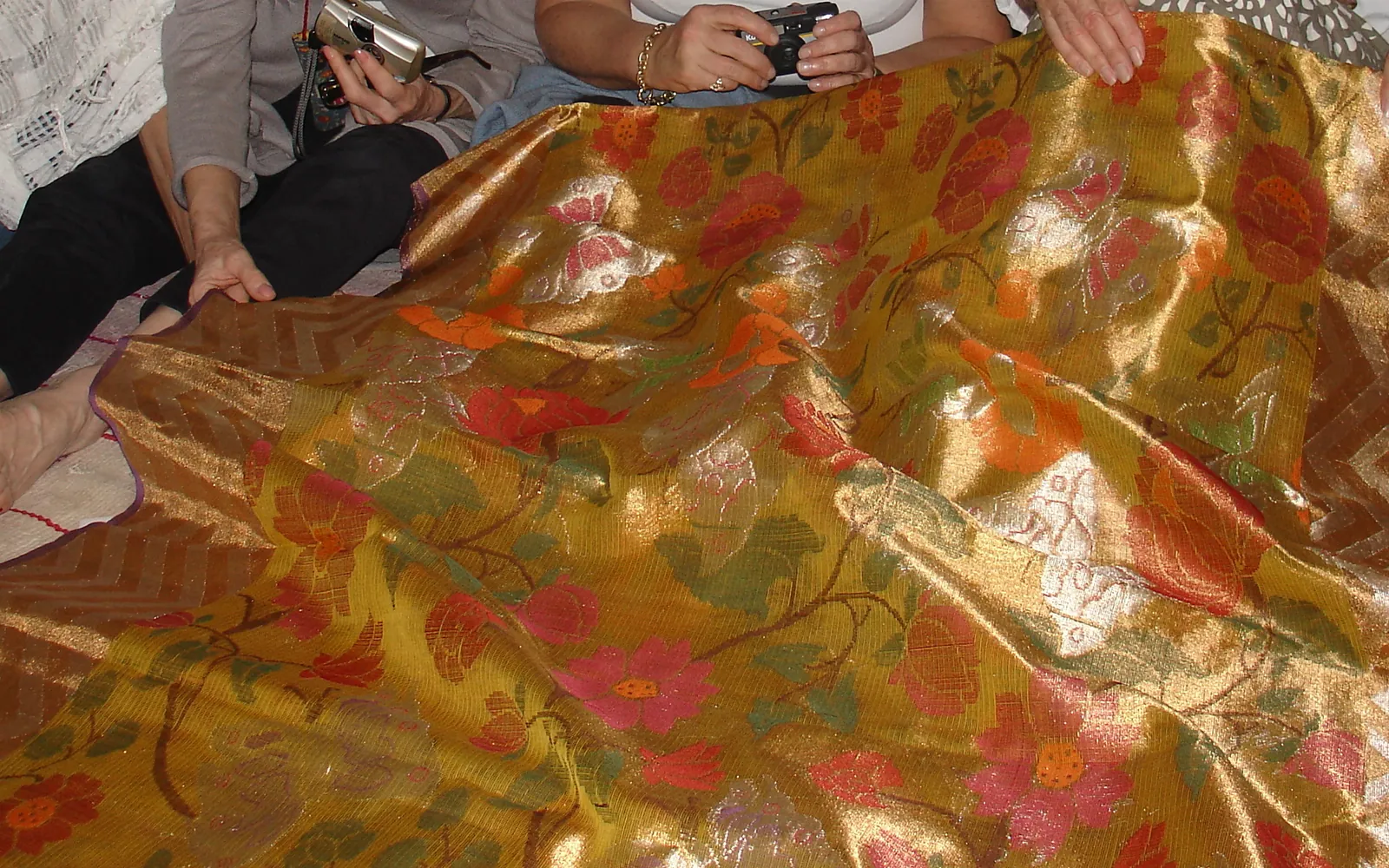
If you have just bought your first piece, the most common worry is simple: how to wash a Kota Doria saree without ruining it. The fabric is famous for being featherlight, with a fine square check called the khat, and that open weave is exactly what makes it delicate. The good news is that plain cotton Kota Doria washes well at home if you are gentle. Silk-cotton pieces and anything with real zari need more care, and sometimes a dry cleaner.
This guide covers both, step by step. If you are still deciding what to buy, read about the Kota Doria weave itself first, and check our power-loom comparison so you know what fabric you are actually caring for.
First, find out what your saree is made of
Care starts with the fibre. Kota Doria is woven in several combinations, and each one behaves differently in water.
- Pure cotton Kota Doria is the easiest. It tolerates careful hand washing and responds well to starch.
- Cotton-silk Kota Doria is the classic mix. The silk threads give sheen and strength but can lose lustre with harsh detergent or hot water.
- Pieces with zari (metallic thread in borders and motifs) need special attention. Real zari can tarnish; imitation zari can lose its shine or become rough.
- Printed, dyed or embroidered pieces carry the risk of colour bleeding or puckering around the work.
If you do not know, ask the seller when you buy. A good seller will tell you whether a piece is cotton, cotton-silk, and whether the zari is real or imitation. Our buyer’s guide lists the questions worth asking.
When to choose dry cleaning instead
Dry cleaning is the safer route for:
- Cotton-silk sarees, at least for the first clean.
- Pieces with real zari borders or dense zari motifs.
- Heavily embroidered or embellished work (sequins, gota, stone work).
- Deep-coloured prints that fail the bleed test described below.
- Old or heirloom pieces where a mistake cannot be undone.
Tell the dry cleaner that the fabric is handwoven Kota Doria and point out any zari. Ask them to avoid heavy pressing on the borders.
The colour bleed test
Before you put the saree in water, wet a white cotton cloth and press it firmly against a hidden corner of the coloured area for a few seconds. If colour transfers to the cloth, the dye is not fully fixed. Either have the piece dry cleaned, or wash it alone, very quickly, in cold water and rinse immediately. Deep reds, maroons, dark blues and some block-printed pieces are the most likely to bleed.
How to hand-wash Kota Doria at home
For plain cotton and sturdy cotton-silk pieces that pass the bleed test, this method works well:
- Use cold water. Hot water can shrink cotton, fade colours and dull silk.
- Choose a mild detergent. A small amount of mild liquid detergent, or one sold for wool and silk, is gentler than washing powder. Dissolve it fully before the saree goes in.
- Keep the soak short. A few minutes is enough. Long soaking encourages dye to move.
- Press, do not rub. Gently press the fabric down and lift it, or swish it in the water. Never scrub with a brush or rub two parts together; the khat squares can distort.
- Rinse thoroughly. Use fresh cold water two or three times until the water runs clear.
- Do not wring. Fold the saree loosely and press water out with your palms, or roll it in a clean towel and press.
Wash the saree on its own, at least for the first few washes.
Starching for the classic crisp drape
New Kota Doria usually has a starch finish that gives it its crisp, slightly stiff drape. After the first wash, the saree will feel softer and may cling more. Many people like it that way. If you prefer the original look:
- Prepare a light starch solution (rice starch or a ready-made fabric starch, following the product directions).
- Dip the rinsed, damp saree in the solution so it is evenly coated.
- Press out excess starch without wringing.
Go light at first. Too much starch can make the fabric feel papery and leave white marks along folds.
Drying without damage
- Shade, not sun. Direct sunlight fades colour and weakens fibres. Dry the saree in a shaded, airy spot.
- Spread the weight. Fold it lengthwise over a clean line or two, or lay it flat on a clean sheet. Avoid hanging it from one end, which stretches the open weave.
- No clothes pegs on the body. Pegs can leave marks and pull threads.
- Do not leave it bunched while wet. Dye can transfer from one layer to another.
Ironing Kota Doria
Iron while the saree is still very slightly damp; it is much easier to get a smooth finish.
- Use a cotton setting for pure cotton and a medium setting for cotton-silk.
- Iron on the reverse side.
- Lay a thin cotton cloth over zari borders and motifs, and never press hard on zari with a hot iron.
- Many households in Kota send starched sarees to a local press-wala (ironing service). If you do, mention any zari.
Storing Kota Doria between wears
- Fold the saree and wrap it in a clean cotton or muslin cloth. Avoid sealed plastic, which traps moisture.
- Refold it along different lines every few months so the creases do not become permanent weak points.
- Keep it out of direct light and away from damp walls.
- Zari is best stored wrapped, with the zari facing inward, to slow tarnishing.
- If you use naphthalene or other insect repellents, keep them from touching the fabric directly.
Fixing small problems
A pulled thread or snag: do not cut it. Gently ease the fabric on either side to redistribute the slack, or pull the loop through to the reverse with a fine needle. A small stain: dab, do not rub, with cold water and a little mild detergent, working from the outside of the stain inwards. Oil marks from food: a little talcum powder left on the mark before washing can absorb some oil. For stubborn stains on silk-cotton or zari pieces, go to a dry cleaner rather than experimenting.
Easy-care fabrics for the hottest months
If you want something for daily summer wear that needs less care than a starched saree, cotton Kota Doria dupattas, mulmul and light cotton kurtas are easier to wash and dry. Our guide to the best summer fabrics for hot weather compares cotton, linen, khadi, mulmul and Kota Doria for comfort and care. Whatever you buy, check the fibre on the label or bill, and read what a handloom label does and does not tell you; the right washing method depends on knowing whether the piece is cotton, silk or a blend.
Care tips by type
| Piece | Washing | Starch | Ironing |
|---|---|---|---|
| Pure cotton Kota Doria | Cold hand wash | Light starch if wanted | Cotton setting, reverse side |
| Cotton-silk Kota Doria | Dry clean first; cold hand wash later if sturdy | Optional, very light | Medium setting, reverse side |
| With real zari | Dry clean | Not on zari | Cloth over zari |
| Printed or deep-dyed | Bleed test first; wash alone | Light | Reverse side |
Caring for handwoven fabric well is part of what makes it last for years, which is the best argument for paying a fair price for a genuine piece. If you are looking for a gift, our Kota gift guide explains how to pack Kota Doria so it arrives without creases, and our GI tag guide explains how to check a label.
Frequently asked questions
Can I wash a Kota Doria saree in a washing machine?
It is not recommended. The open khat weave snags and distorts easily, and even a gentle machine cycle can pull threads. If you must, use a mesh laundry bag, the coldest delicate cycle and no spin, but hand washing is far safer.
Should the first wash be a dry clean?
For silk-cotton pieces, anything with real zari, block prints in deep colours or heavy embroidery, a first dry clean is the safe choice. Plain cotton Kota Doria is usually fine to hand-wash if you test for colour bleeding first.
Why does my Kota Doria feel limp after washing?
New Kota Doria is usually finished with starch, which washes out. A light starch rinse brings back the crisp, airy drape.
How do I stop the colour running?
Wash it alone in cold water, keep the soak short and rinse until the water runs clear. Never leave a wet saree folded or bunched, because dye can transfer within the fabric.
Can I iron directly on the zari?
No. Iron on the reverse side and place a thin cotton cloth over zari borders and motifs. High heat can tarnish or flatten metallic threads.
Sources
Editorial team
The Kota Market team writes and updates the shopping guides on this site and corrects them when readers point out errors.