Kota Doria and crafts
Kota Stone Flooring: Types, Finishes and What to Check
Written by Kota Market Editorial Team · Updated
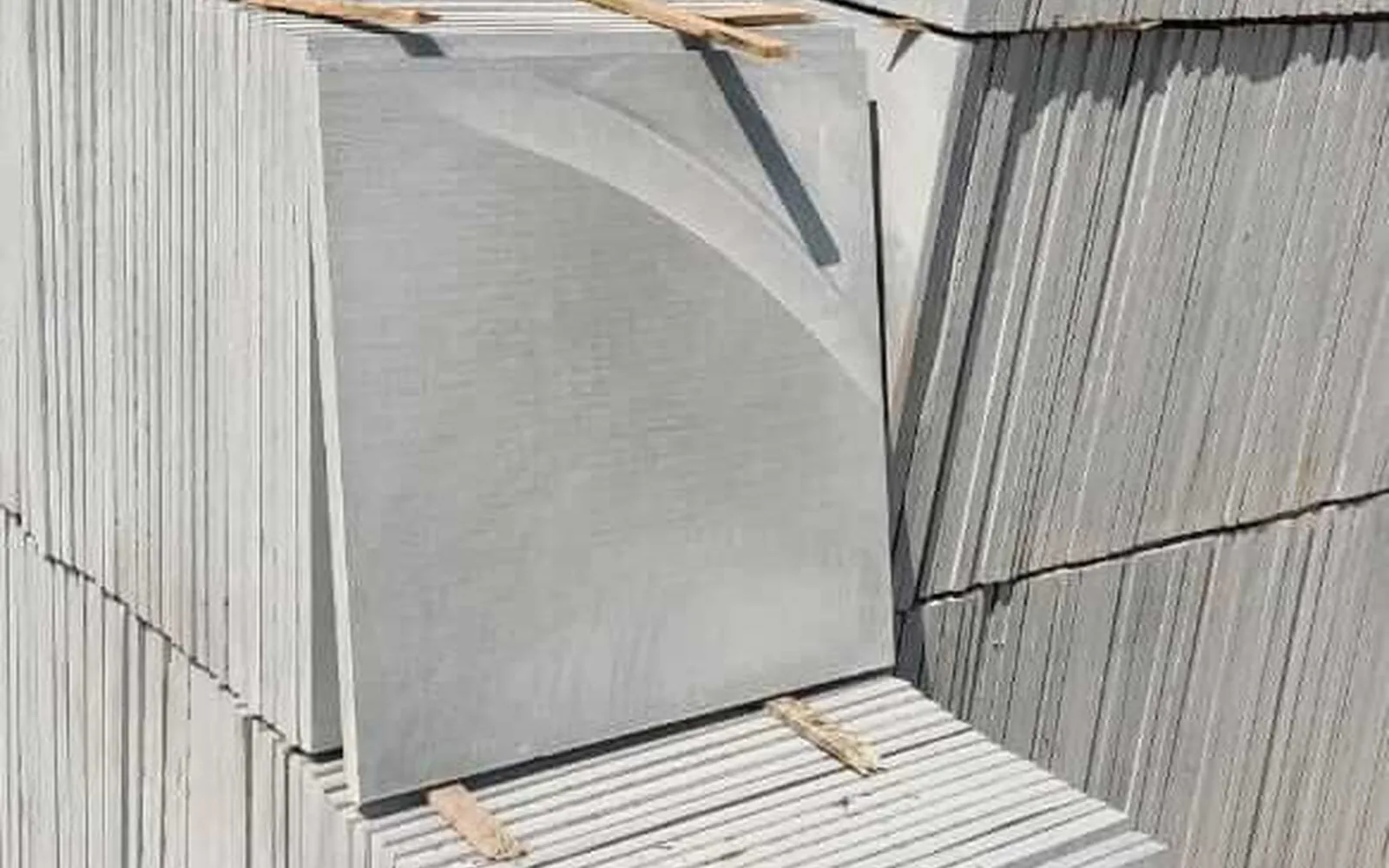
If you have walked across a cool, grey-green floor in an Indian school, station or older home, there is a good chance it was Kota stone. This limestone, quarried in the Kota region of south-eastern Rajasthan, has been a standard building material across India for decades because it is tough, practical and comparatively affordable.
This guide explains what Kota stone is, the main types and finishes, where it works best, and what to check before you buy. It is written for homeowners and small builders, not as a technical specification; for large projects, follow your architect’s or engineer’s specification.
What Kota stone is
Kota stone is a fine-grained, compact limestone. It is quarried in the Kota belt, with the Ramganj Mandi area particularly associated with the trade, and cut into slabs and tiles. The stone splits naturally into layers, which makes it practical to produce in even thicknesses.
Its reputation comes from a combination of properties:
- Hard-wearing: it handles heavy foot traffic for many years.
- Low water absorption compared with many sandstones, so it suits wet and outdoor areas.
- Good grip in natural and semi-polished finishes.
- Cool underfoot, which is welcome in a Rajasthani summer.
- Relatively low cost compared with many decorative stones.
Colours
The two main colours are:
- Blue-green Kota. The classic grey-green or grey-blue stone most people picture. Shades vary between quarries and even between slabs.
- Brown Kota. Warmer brown and buff tones, popular for outdoor paving and rustic interiors.
Natural variation is normal. If colour consistency matters to you, ask to see several slabs from the actual batch you will receive, not just a sample piece.
Finishes
| Finish | Look | Best for |
|---|---|---|
| Rough or natural | Matte, textured | Outdoor paving, parking, ramps |
| Machine-cut / semi-polished | Smooth, low sheen | Stairs, verandas, kitchens, most indoor floors |
| Mirror-polished | Glossy, darker colour | Living rooms, offices (avoid where wet) |
| Leather / lappato / textured | Soft sheen with texture | Designer interiors, feature areas |
Many floors are laid with semi-finished stone and then ground and polished on site, which gives an even surface across the whole floor.
Where Kota stone works well, and where it does not
Works well:
- Stairs and corridors with heavy traffic.
- Verandas, courtyards and terraces.
- Kitchen floors (not countertops where acidic foods sit).
- Industrial and institutional floors.
Think twice:
- Kitchen and bathroom counters where lemon juice, vinegar or acidic cleaners will touch it; they can etch the surface.
- Highly polished stone in wet areas, where it can become slippery.
What to check before buying
- Thickness. Measure several pieces. Consistent thickness makes laying easier and reduces breakage.
- Colour. See slabs from the actual batch in daylight.
- Edges and corners. Look for chips and cracks. Machine-cut edges should be straight.
- Hairline cracks. Wet the surface; cracks show more clearly.
- Finish. Confirm in writing whether the stone is rough, semi-polished or polished.
- Quantity. Order some extra for cutting and breakage. Your fitter can advise how much.
- Quote in writing. Include size, thickness, colour, finish, quantity, transport and unloading.
Prices vary with all of these factors and with distance from the quarries, so compare written quotes rather than per-unit figures heard in passing.
Laying and finishing
Kota stone is usually laid on a cement mortar bed. Good fitters level each piece carefully and leave neat, narrow joints. After laying and curing, floors are often ground and polished on site. Ask your fitter what finish to expect and whether polishing is included in the quote.
Looking after a Kota stone floor
- Sweep regularly; grit is what wears floors.
- Mop with plain water or a pH-neutral cleaner.
- Avoid acids: toilet cleaners, vinegar, lemon and many tile cleaners can dull or etch limestone.
- Wipe oil and food spills quickly.
- A dull polished floor can usually be restored by regrinding and repolishing.
Kota stone in home design
Kota stone is having a quiet revival with designers who like honest, local materials. Rough brown stone in a courtyard, semi-polished blue-green in a living room, or Kota stone steps against white walls all look good and age well. See decorating your home the Kota way for ideas that combine stone with local textiles. And if you are interested in the people behind the material, read the story of Kota’s artisans.
Comparing stones and caring for the floor
If you are still deciding, our side-by-side guide to Kota stone vs granite vs marble compares hardness, stain and acid resistance, slip when wet and typical uses, and explains why many homes combine granite counters with Kota stone floors and stairs. Once the floor is down, the most common mistake is using acidic cleaners. Vinegar, lemon and many toilet and tile cleaners can etch a limestone like Kota stone, leaving dull patches that need re-polishing. Our guide on how to clean and polish a Kota stone floor covers daily care, removing oil stains with a poultice, sealing kitchens and bathrooms, and what to agree in writing with a floor polisher before the machines come in.
Lighting and furnishing a stone-floored room
Kota stone looks different under different light. Under bluish cool-white tubes it can look grey and flat; under neutral or warm white light its green, blue and brown tones show much better. If you are choosing bulbs for a newly floored room, compare the colour temperature and colour rendering figures on the box, as explained in our LED bulb buying guide, and try one bulb before buying a whole set.
Stone floors stay cool, which is welcome in Kota’s summer and less so in December and January. Rugs and dhurries soften the feel underfoot, and a bed raised off the floor with a breathable mattress keeps sleepers comfortable through the seasons; our mattress buying guide compares coir, foam, spring and cotton gadda for hot and cold months. Heavy steel almirahs and utensil racks can scratch a polished floor, so use felt or rubber pads under their feet; our guide to 304 vs 202 stainless steel utensils also explains why kitchen racks should be dried after washing so rust marks do not stain the stone.
When you are choosing between flooring materials for a new room, Kota stone vs vitrified tiles sets out the trade-offs in upkeep, comfort and repair.
Frequently asked questions
What is Kota stone?
A fine-grained limestone quarried in the Kota region of south-eastern Rajasthan. It is cut into slabs and tiles and is widely used for flooring and paving because it is hard-wearing and comparatively affordable.
Is Kota stone better than marble?
It depends on the use. Kota stone is usually cheaper, less slippery in rough or semi-polished finishes and well suited to heavy-traffic and outdoor areas. Marble offers a brighter, more decorative look. Both are calcareous stones that dislike acidic cleaners.
Is Kota stone slippery?
Rough, natural or lightly honed finishes give good grip, which is why they are used outdoors and on stairs. A high polish can be slippery when wet, so choose a less polished finish for bathrooms, ramps and outdoor areas.
How do I clean a Kota stone floor?
Sweep and mop with plain water or a mild, pH-neutral cleaner. Avoid acids such as toilet cleaners, vinegar and lemon, which can etch the surface. Wipe up spills promptly.
How much does Kota stone cost?
Prices depend on colour, thickness, finish, size and transport distance, and they change, so we do not publish a rate. Get written quotes from at least three suppliers specifying all of these.
Which light shows Kota stone's colour best?
Neutral or warm white LED light with a good colour rendering figure shows the green-grey and blue-grey tones of Kota stone most naturally. Very cool, bluish light can make the floor look cold and flat. Try a sample bulb in the room before buying many.
Sources
Editorial team
The Kota Market team writes and updates the shopping guides on this site and corrects them when readers point out errors.