Kota Doria and crafts
Kota Stone vs Granite vs Marble: Which Floor Is Right?
Written by Kota Market Editorial Team · Updated
If you are building or renovating, the choice between Kota stone vs granite vs marble is one of the biggest flooring decisions you will make. Each stone has loyal fans, and each has a place. This guide explains what the three stones actually are, how they behave in a real house in Indian conditions, and where each one makes the most sense. We do not quote prices, because they change by batch, thickness, finish and transport, but we explain what drives the difference so you can compare quotes yourself.
For background on the local stone, read our main guide to Kota stone flooring.
What each stone is
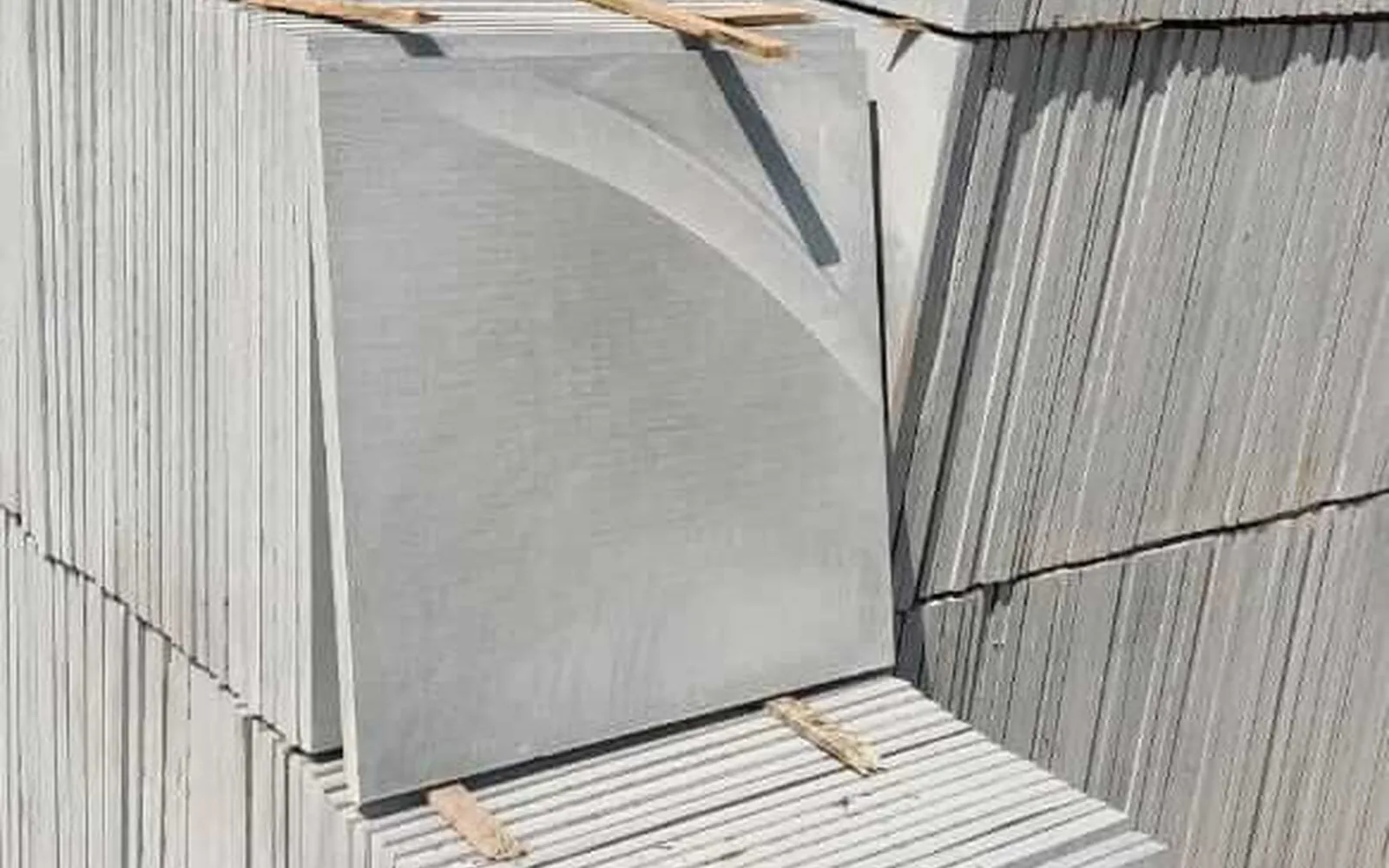
- Kota stone is a fine-grained limestone quarried in the Kota belt of south-east Rajasthan. It is dense, splits naturally into slabs, and is best known in greenish-blue and brown shades. Rajasthan’s Department of Mines and Geology regulates its quarrying.
- Granite is an igneous rock formed from cooled magma, made largely of quartz and feldspar. It is very hard and comes in a huge range of colours and patterns, from many parts of India.
- Marble is limestone that has been transformed by heat and pressure into a crystalline metamorphic rock. Rajasthan is a major source of marble in India.
The key point: Kota stone and marble are both made mostly of calcium carbonate, while granite is a silicate rock. That single fact explains much of the difference in how they react to acids and stains.
Side-by-side comparison
| Kota stone | Granite | Marble | |
|---|---|---|---|
| Rock type | Fine-grained limestone | Igneous (silicate) | Metamorphic (calcium carbonate) |
| Hardness and scratch resistance | Good | Very high | Lower; scratches more easily |
| Reaction to acids | Can etch | Resistant | Etches readily |
| Stain resistance | Moderate; seal for kitchens | High | Lower, especially light marbles |
| Feel underfoot | Cool | Cool | Cool |
| Slip when wet | Low with rough or matt finish | Polished granite is slippery | Polished marble is slippery |
| Look | Plain, earthy, uniform-ish | Speckled or patterned, very varied | Veined, luminous, decorative |
| Typical uses | Floors, verandas, stairs, terraces, paths | Counters, stairs, high-traffic floors, cladding | Living rooms, feature floors, temples, decor |
Where Kota stone makes the most sense
Kota stone has been a default flooring choice across much of India for generations because it is practical. It wears evenly, hides dust reasonably well, stays cool in summer and is available in large slabs that mean fewer joints. It works particularly well for:
- Verandas, courtyards and terraces, especially in a rough or leather finish for grip.
- Stairs, where a matt or grooved finish improves safety.
- Large family living areas where hard wear matters more than shine.
- Utility areas, parking and paths.
Its weaknesses: it can etch with acids and stain with oil, and its plain look is not to everyone’s taste. Lighter shades also show water marks.
Where granite makes the most sense
Granite is the stone to choose where hardness and stain resistance matter most:
- Kitchen counters, where acids from lemon and tomato and hot oil are everyday hazards.
- High-traffic commercial floors and stairs, ideally in a flamed or honed finish for grip.
- Thresholds and window sills.
Its weaknesses: polished granite is slippery when wet, it can feel cold and hard, and some patterns look busy across large floors.
Where marble makes the most sense
Marble is chosen for its beauty: veining, translucency and a soft sheen that no other stone quite matches. It suits:
- Formal living and dining rooms with moderate traffic.
- Puja rooms and feature walls.
- Bathroom walls and vanity tops, with care.
Its weaknesses: it scratches more easily, etches with acids (including many common cleaners), stains if not sealed, and polished marble can be slippery.
Slip resistance and finishes
The finish often matters more than the stone. A mirror polish on any stone becomes slippery when wet. For bathrooms, stairs, outdoor areas and homes with elderly people or small children, ask for rough, sawn, leather, honed or flamed finishes. Kota stone is commonly sold in rough and machine-polished finishes, and can be given a matt finish after laying.
What drives the price
We do not publish prices, but quotes for all three depend on:
- Grade and colour: uniform, flaw-free slabs cost more.
- Thickness and size: thicker, larger slabs cost more to buy and lay.
- Finish: polishing and special finishes add cost.
- Transport and wastage: stone is heavy, and some breakage and cutting waste is normal.
- Laying and polishing labour, which can be a large share of the final cost.
Get two or three written quotes that list the stone, grade, thickness, finish and whether laying, polishing and wastage are included. Our smart shopping guide explains how to compare quotes fairly.
What to check before you buy any stone
- See the actual batch, not a showroom sample, in daylight.
- Check thickness at several points with a measuring tape.
- Look for cracks and hairline fractures, especially at the edges.
- Check colour consistency across slabs that will sit side by side.
- Ask about the finish and whether polishing is done before or after laying.
- Get it in writing: stone type, grade, size, thickness, finish and quantity on the bill.
What about vitrified tiles?
Many buyers also weigh natural stone against factory-made tiles. Vitrified tiles absorb very little water and resist oil and turmeric stains, which makes them popular in kitchens, while Kota stone is tougher underfoot and can be re-polished when it dulls. Our full comparison of Kota stone vs vitrified tiles goes room by room, with checks for each material before you buy.
Mixing stones
Many homes combine stones: granite on the kitchen counter, Kota stone on the floors, verandas and stairs, and marble in a puja room or living room. This lets each stone work where it is strongest. Once your floor is laid, our guide on how to clean and polish a Kota stone floor explains daily care and when to call a polisher. For decorating ideas that use local materials, see decorating your home the Kota way.
Frequently asked questions
Is Kota stone better than granite?
Neither is better in every case. Granite is harder and resists stains and acids better; Kota stone is usually more economical, cooler and easier to give a non-slip finish. For kitchen counters granite usually wins; for verandas and large floors many people prefer Kota stone.
Is Kota stone better than marble?
For hard-wearing floors, many people find Kota stone more forgiving: it shows wear less and comes in matt finishes that are less slippery. Marble is more decorative and luminous but scratches and stains more easily.
Can Kota stone be used outdoors?
Yes. Kota stone is widely used for terraces, courtyards, paths and stairs. Choose a rough, sawn or leather finish rather than a mirror polish for better grip when wet.
Does Kota stone stain?
It can. Oil and acidic spills are the usual culprits. Wipe spills quickly and avoid acidic cleaners. A penetrating sealer can reduce staining in kitchens and dining areas.
Why does Kota stone vary so much in colour?
It is a natural stone and colour varies between quarries and layers. The classic shades are greenish-blue and brown. Always see the actual batch you will receive.
Sources
Editorial team
The Kota Market team writes and updates the shopping guides on this site and corrects them when readers point out errors.