Kota Doria and crafts
Kota's Artisans: The Crafts That Define the City and Region
Written by Kota Market Editorial Team · Updated

Kota is known across India for its coaching institutes, but long before the first coaching class opened, Kota’s artisans were weaving, cutting stone and stitching for markets well beyond the city. Their work is the reason the words “Kota Doria” and “Kota stone” mean something to buyers in Delhi, Mumbai and abroad.
This guide introduces the main crafts of Kota and its surroundings, how the work is organised, and what buyers can do to make sure more of their money reaches the people who do it.
The weavers of Kaithoon
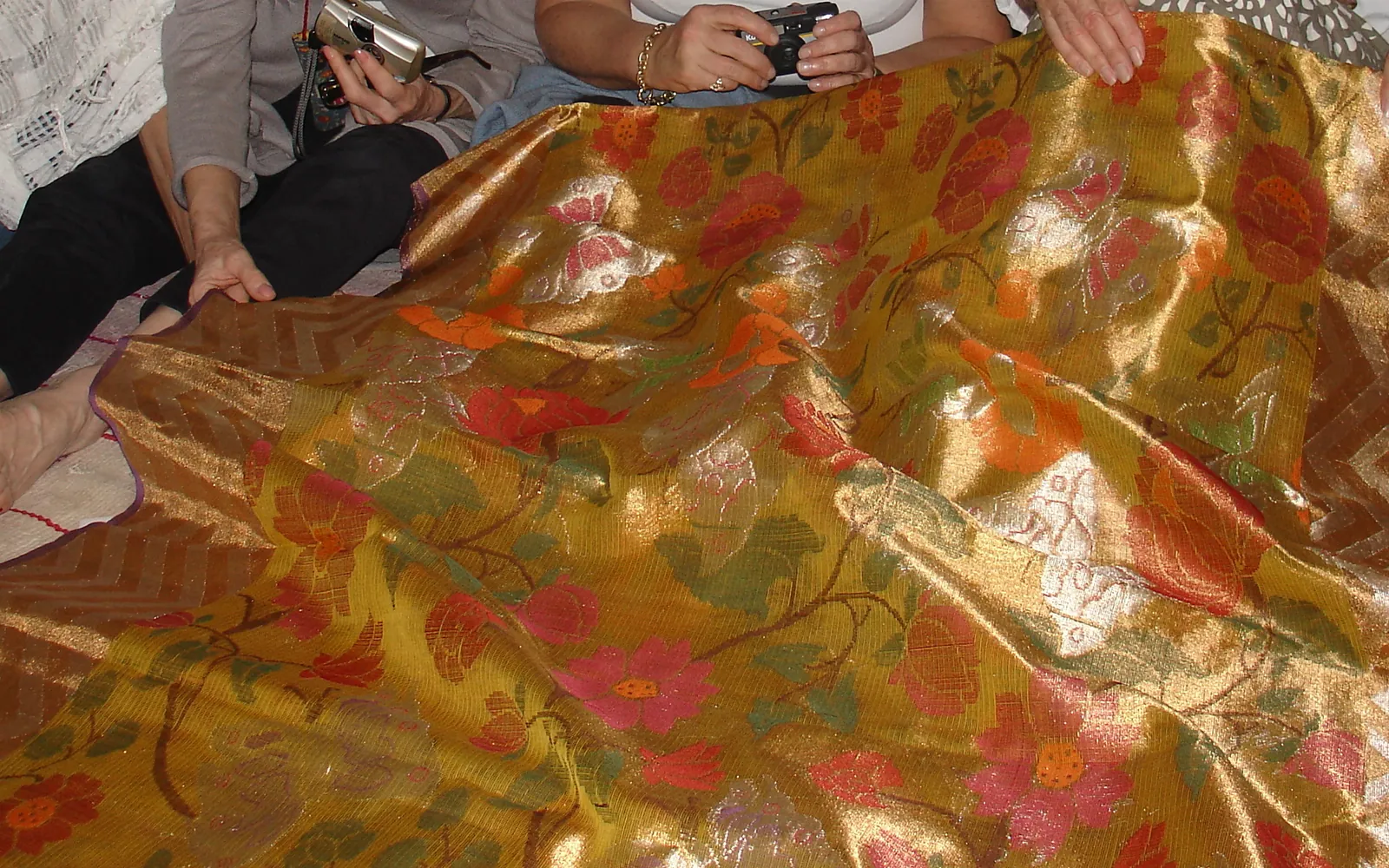
The most famous craft of the region is Kota Doria, a light, open-weave fabric with a fine square check called the khat. It is woven on handlooms, and Kaithoon, a weaving town a short drive from Kota city, is its best-known centre. Weaving families also work in other villages in the district.
Weaving is usually a family business. Different members prepare the yarn, set up the warp, weave and finish the cloth. A single saree takes days. Kota Doria is a registered Geographical Indication, which protects the name and allows registered weavers to use the GI logo.
Learn more in Kota Doria: the featherlight weave, and if you plan to buy, read where to buy genuine Kota Doria.
The stone cutters and finishers
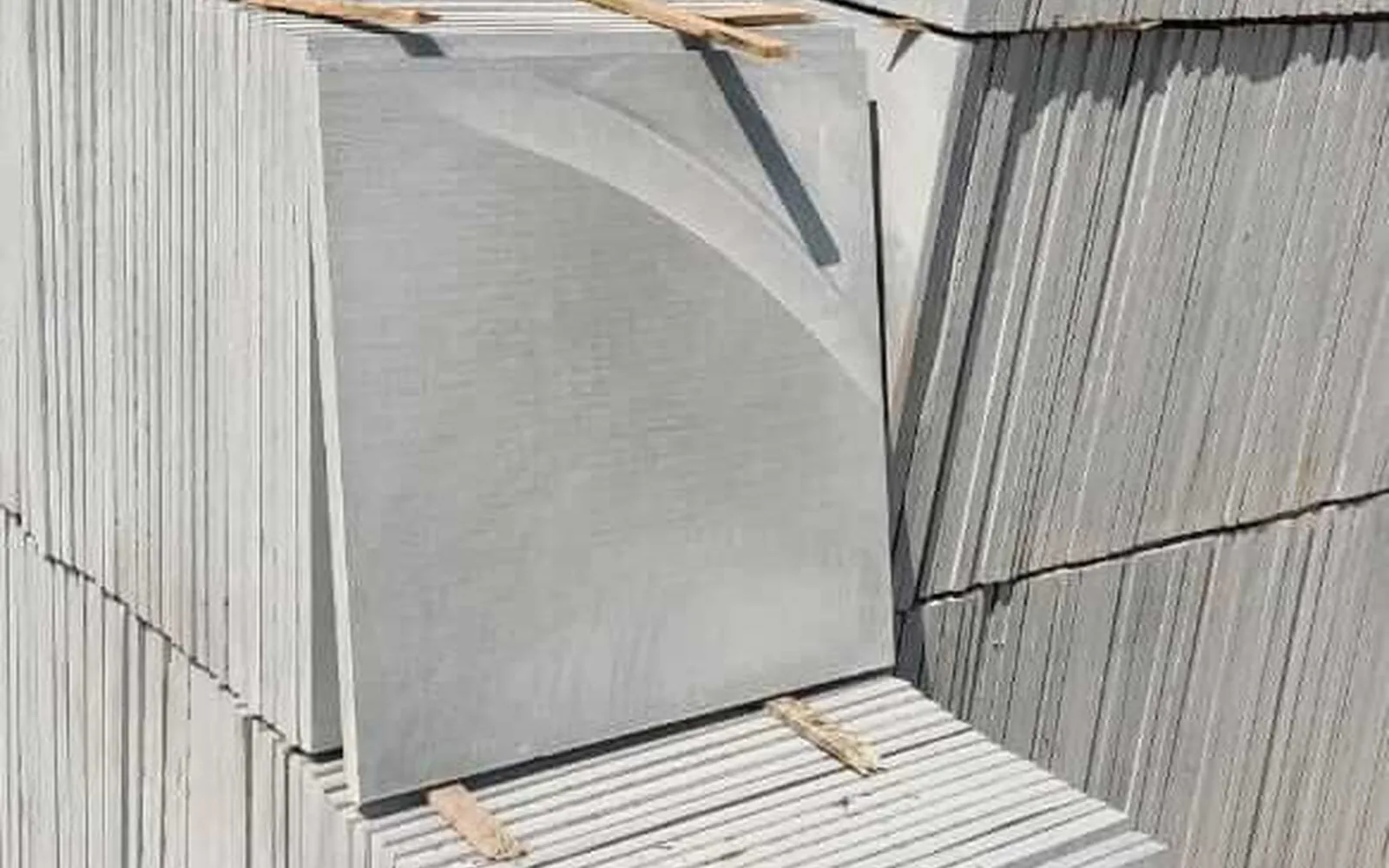
The Kota region gives its name to Kota stone, a fine-grained limestone quarried in the area and cut into slabs and tiles for floors, stairs and paving. Quarrying is an industry rather than a craft, but cutting, edge-finishing, polishing and laying the stone well are skilled trades, and good fitters are in demand.
Our guide to Kota stone explains the types, finishes and what to check before buying.
Home-based crafts
A great deal of craft work in Kota happens at home and is sold informally, through family networks, local fairs, social media and small shops:
- Felt work. Toys, rattles, mobiles, coasters and wall hangings, cut and stitched or needle-felted. See handmade felt toys.
- Embroidery and stitching. Cushion covers, bags and garments, often in bright Rajasthani colours, sometimes with mirror work.
- Tailoring and finishing. Turning Kota Doria lengths into suits, kurtas and dupattas with borders and lace.
- Festival goods. Seasonal items for Diwali, Rakhi and weddings, which can be an important source of income for home-based makers.
This work is hard to see in statistics because so much of it is informal, but it matters to many households.
Metal and old pieces
Brass lamps (diyas), puja items and decorative metalwork are sold in the old-city markets, and older pieces from Rajasthani homes turn up with dealers. If you collect, our antique hunting guide explains how to judge age and what India’s antiquities law requires.
The challenges makers face
Kota’s artisans face the same pressures as craftspeople across India:
- Copies. Power-loom fabric sold as Kota Doria undercuts handweavers. Our power-loom checklist helps buyers avoid them.
- Middlemen. When work passes through several traders, the maker’s share shrinks.
- Rising costs. Yarn, wool and dye prices move, and small makers rarely have savings to absorb increases.
- Reaching buyers. Many makers lack time or skills for photography and online selling.
- Fewer young people. Weaving and handwork are slow and physically demanding, and many young people choose other work.
How buyers can help
- Buy closer to the maker. Direct from weavers, cooperatives or makers when possible.
- Ask who made it. Shops that know their makers are more likely to pay them fairly.
- Pay a fair price. A bit of bargaining is normal in markets, but handmade work is already priced thin.
- Choose genuine over cheap copies. Every copy sold as the real thing takes a sale from a weaver.
- Recommend good makers. Word of mouth is still the most powerful marketing in Kota.
Our article on why buying local in Kota matters looks at the wider case for spending money close to home.
For makers: getting recognised
Registering as a weaver or artisan with the Development Commissioner (Handlooms) or (Handicrafts) offices can open access to fairs, schemes and, in some cases, regulatory exemptions. Weavers of Kota Doria can also look into becoming authorised users of the GI. Our guide to selling handmade crafts in Kota walks through the practical steps.
How buyers can support Kota’s makers
The simplest support is informed buying. Learn what a genuine piece looks like, ask who made it, and pay a price that reflects the work. For Kota Doria, that means knowing what the GI tag does and does not prove: it protects the name for weavers of the Kota region, but many genuine weaving households sell without a label. It also means looking after what you buy so that it lasts; our guide on how to wash a Kota Doria saree helps a handwoven piece stay in use for years. And when you need a floor, stair or veranda, choosing local stone keeps another of the city’s trades alive; our comparison of Kota stone vs granite vs marble explains where it works best.
Carpenters, polishers and repairers
Not every Kota craftsperson works on Doria or stone. Carpenters, furniture polishers, upholsterers and repairers keep a great deal of the city’s furniture in use, especially as pieces pass from one household or student to the next. Repairing a solid wood table or almirah is often better value, and less wasteful, than replacing it with a new board-based piece.
If you are buying old furniture to restore, use our used furniture checklist to rule out termites and badly damaged pieces before you spend money on repairs. When you hire a carpenter or polisher, agree the work and the price in writing, as you would with any tradesperson; the same habits appear in our guide to hiring an electrician or plumber in Kota.
Frequently asked questions
What crafts is Kota famous for?
Kota Doria handloom fabric is the best known. The region is also famous for Kota stone, a limestone used for floors and paving. Embroidery, felt work and metal items are made and sold locally too.
Where can I see Kota Doria being woven?
Kaithoon, a weaving town a short drive from Kota city, is the best-known centre. Visit in daylight and ask politely before watching or photographing a loom.
How can I make sure my money reaches the artisan?
Buy directly from makers or cooperatives where you can, or from shops that can tell you who made a piece. Paying a fair price instead of bargaining hard also helps.
Are there government schemes for artisans in Kota?
Weavers and craftspeople can register with the Development Commissioner (Handlooms) or (Handicrafts) offices for identity cards and access to schemes and fairs. Check the official websites for current schemes.
Can old furniture be repaired by local carpenters?
Often, yes. Solid wood furniture with sound joints can usually be reglued, repaired and repolished. Ask for a written estimate first, and check the piece for termites before paying for work on it.
Sources
Editorial team
The Kota Market team writes and updates the shopping guides on this site and corrects them when readers point out errors.