Kota Doria and crafts
Antique Hunting in Kota: A Collector's Guide to Buying Well
Written by Kota Market Editorial Team · Updated
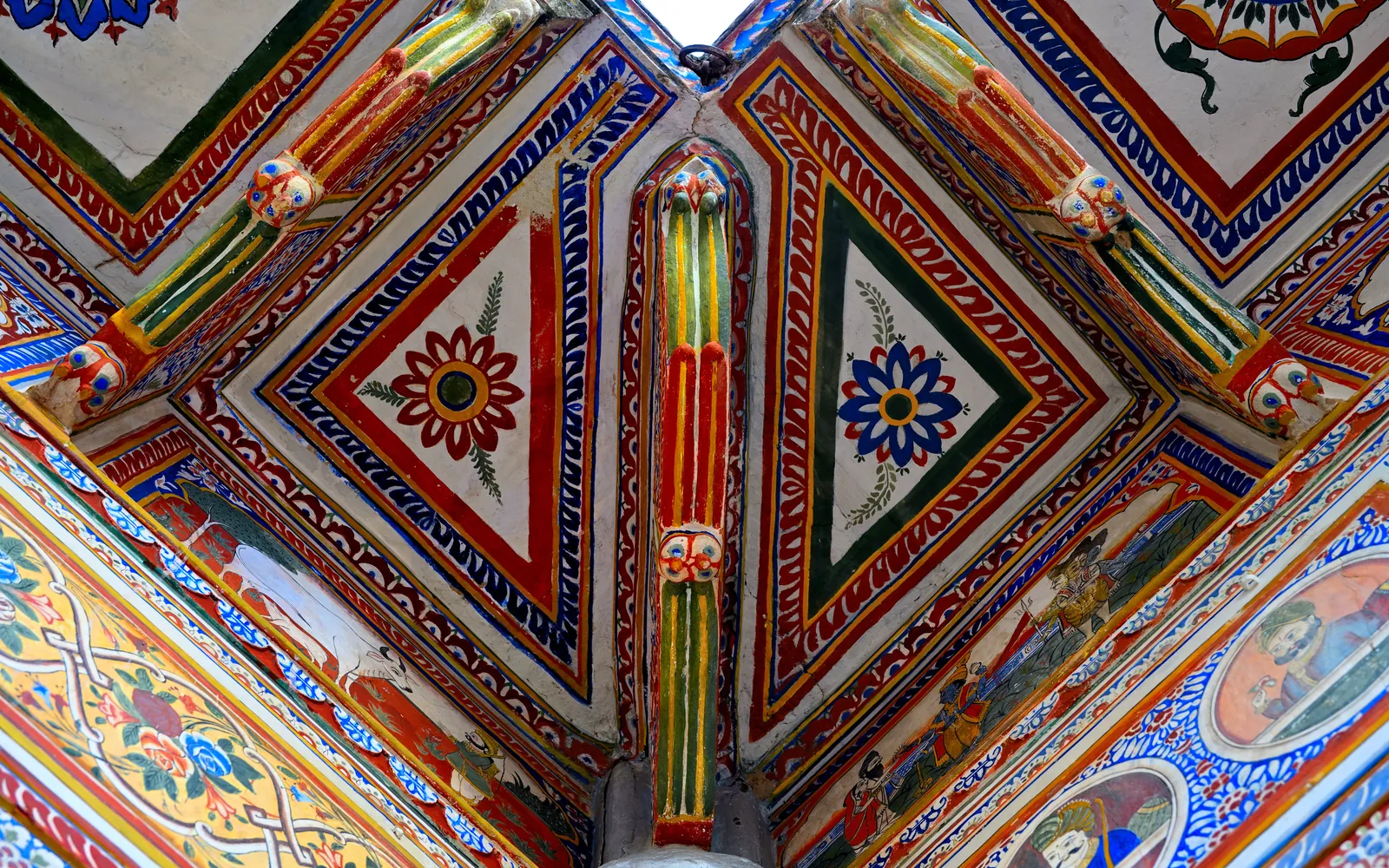
Old Rajasthani homes have always held brass lamps, carved wooden chests, mirrors, painted panels and ceramics, and some of these eventually reach dealers and collectors. Antique hunting in Kota can turn up lovely pieces, but it rewards patience and a sceptical eye. Most items described as antique in any Indian market are decades old, not centuries, and many are new pieces made to look old.
This guide explains where pieces come from, how to judge age, how to avoid paying antique prices for new work, and what India’s antiquities law means for buyers.
Where old pieces come from
- Household clearances. When old homes are sold or renovated, families sell furniture, utensils and fittings.
- Old-city dealers. Small shops in older market areas often mix old pieces with new decorative items. Our guide to Kota’s markets explains where the older trading areas are.
- Fairs and exhibitions. Craft and antique fairs sometimes include dealers from across Rajasthan.
- Online sellers. Convenient, but you cannot handle the piece; ask for many photos.
Signs of genuine age
Age leaves marks that are hard to fake consistently.
Brass and other metals
- Wear is smooth and concentrated where hands touched: handles, rims, raised details.
- Patina is darker in recesses and lighter on high points.
- Old repairs, solder patches and slight dents are common.
- Casting seams have been worn or filed, not crisp and fresh.
Wood
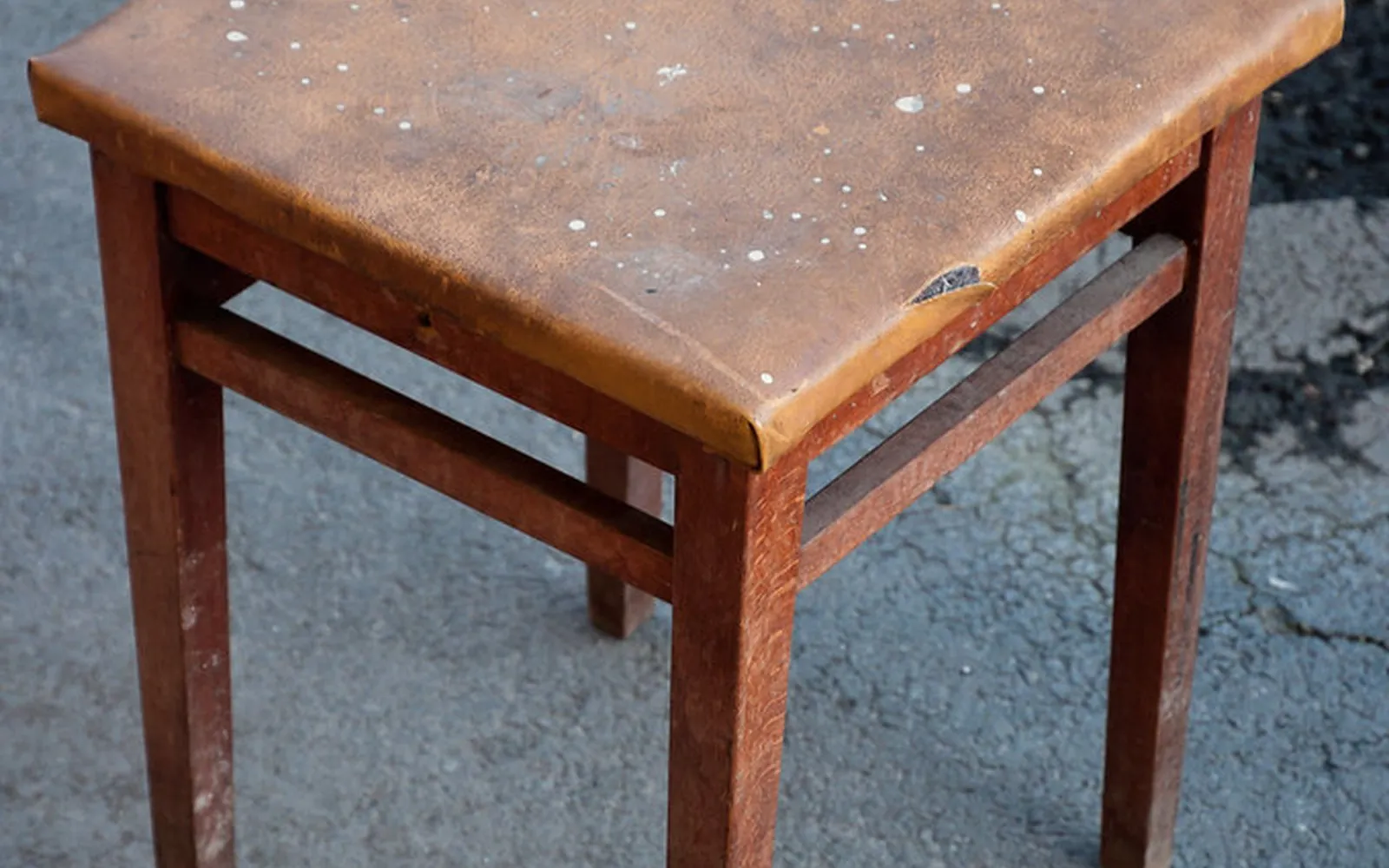
- Hand-tool marks: slight irregularity in carving, adze or chisel marks on hidden surfaces.
- Shrinkage across the grain, so round tops become slightly oval.
- Old joinery: pegs and hand-cut joints rather than modern screws (though screws are often added in later repairs).
- Wear on feet, edges and handles that matches how the piece was used.
Ceramics and glass
- Wear on the base ring from being set down for years.
- Fine crazing in glazes, though this can be faked.
- Repairs with old materials.
No single sign proves age. Look for several that fit together.
New pieces with an antique finish
A large trade produces new brass, wood and painted items with an antique finish. They are often attractive and honestly priced as decor. The problem only arises when they are sold as old at an antique price. Warning signs:
- Many identical pieces in the same shop.
- Uniform darkening that looks painted on or rubs off on a damp cloth.
- Wear in illogical places, such as scratches on surfaces nobody touches.
- Fresh smells of paint, polish or new wood inside drawers.
- Prices that suggest a bargain for something described as rare.
If you like the piece as decor, buy it at a decor price. It can still be a lovely addition to a home, as we suggest in decorating your home the Kota way.
What the law says
India’s Antiquities and Art Treasures Act, 1972 defines an antiquity as, broadly, an object of historical or artistic interest that is at least 100 years old (75 years for manuscripts and similar records). Key points for collectors:
- Export is prohibited for antiquities except by the government or its authorised agencies.
- Certain antiquities must be registered with a registering officer of the Archaeological Survey of India, as notified by the government.
- Dealing in antiquities as a business requires a licence.
If you think a piece might be 100 years old or more, check with the Archaeological Survey of India before buying it to take abroad. The full Act is available on India Code, linked below.
Questions to ask the dealer
- How old do you believe this is, and why?
- Where did it come from?
- Has it been repaired, repainted or polished?
- Is it solid metal or wood, or veneer and plating?
- Will you write the description and approximate age on the bill?
Buying sensibly
- Handle the piece in good light before paying.
- Compare similar items across several dealers.
- Pay for what it is, not what it might be.
- Keep the bill with the dealer’s description.
- Plan transport. Old wood and ceramics are fragile; pack them well.
Brass for everyday use
Not every brass purchase needs to be an antique. New brass diyas and puja items from the old-city markets make excellent festival presents; see the best gifts to buy in Kota. And if you want to understand who makes these things today, read the story of Kota’s artisans.
Old gold and silver
Collectors sometimes come across old jewellery alongside brass and wood. Antique or family jewellery is often unhallmarked, which is not illegal to own, but it means its purity is unknown. Before you buy or sell old gold, read our guide on how to check a gold hallmark and HUID, which also explains how consumers can have jewellery tested at a BIS-recognised Assaying and Hallmarking Centre. For any significant purchase, ask for a bill that describes the item, its weight and what the seller claims about its age and material. If those claims turn out to be untrue, that bill is the basis of a complaint; our guide to filing a consumer complaint explains the steps.
Old vessels, old silks: what to check
Two kinds of old goods turn up often in Kota’s antique and second hand shops: metal vessels and old sarees.
Brass and copper vessels. An old lota, degchi or water pot can be beautiful, but check what it is made of and whether it is safe to use. Brass-coloured items may be plated steel or a cheaper alloy; look inside scratches on the base and judge the weight in your hand. Brass and copper react with sour and salty food, so any vessel you plan to cook in needs a fresh tin lining (kalai). Our guide to 304 vs 202 stainless steel utensils explains kalai, buying by weight and how to read the grade of newer steel pieces sold alongside old ones.
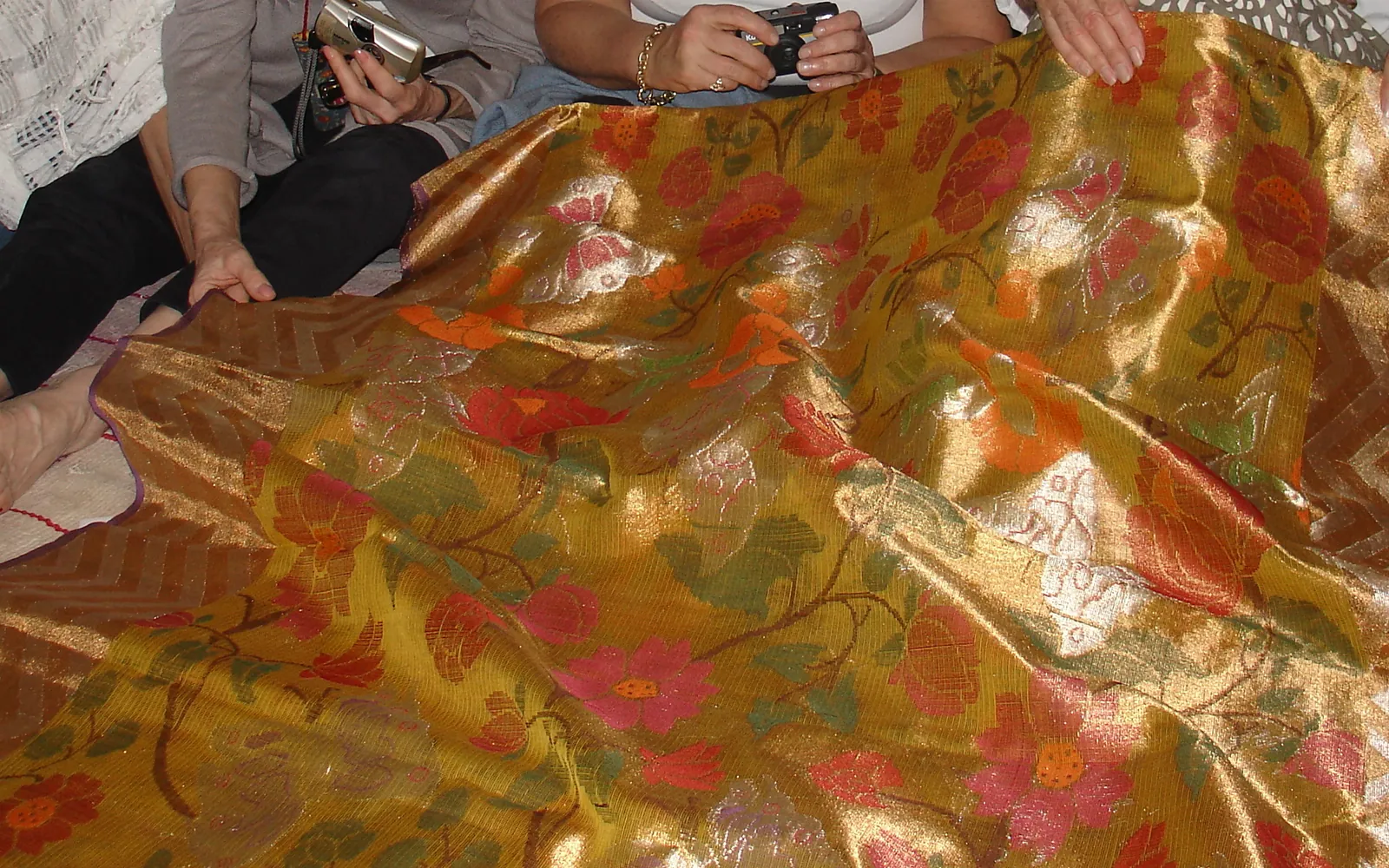
Old silk and zari. Old wedding sarees and borders are sometimes sold for their zari. Real zari contains silver; tested zari is copper-based and plastic zari has no metal value at all. Before you pay a premium for “old real zari”, read our guide on how to check pure silk, which covers the burn test, the three kinds of zari and what to get written on the bill.
As with any antique, ask for a dated bill that describes the item, its material and its approximate age as the dealer understands it.
Frequently asked questions
What counts as an antique in India?
Under the Antiquities and Art Treasures Act, 1972, an antiquity is generally an object of artistic or historical interest at least 100 years old; for manuscripts and similar records the threshold is 75 years. Many dealers use the word antique loosely for anything old.
Can I take an antique out of India?
Antiquities as defined by the Act cannot be exported except by the government or its authorised agencies. If an item might be 100 years old or more, check with the Archaeological Survey of India before trying to take it abroad.
How can I tell if brass is old?
Look for even wear on raised areas, patina in recesses, old repairs and a weight consistent with solid metal. Be cautious with uniform dark coatings that rub off, crisp casting seams and identical pieces in quantity.
Should I ask for a certificate?
Ask for a written description and bill stating what the dealer believes the item is, its approximate age and its origin. A dealer's note is not proof, but it records what you were told.
Can I cook in an old brass or copper vessel?
Only if the inside is properly lined with tin (kalai) and the vessel is clean and sound. Old brass and copper react with sour and salty food. Have an antique vessel re-tinned by a kalaiwala before cooking in it, or keep it for display.
Sources
Editorial team
The Kota Market team writes and updates the shopping guides on this site and corrects them when readers point out errors.