Kota Doria and crafts
Decorating Your Home the Kota Way: Stone, Textiles and Craft
Written by Kota Market Editorial Team · Updated
You do not need to import a style to make a home feel warm and grounded. Decorating your home the Kota way means using the materials this region is known for: cool Kota stone underfoot, light Kota Doria at the windows, flat-woven dhurries, embroidered cushions, brass lamps and handmade felt. They suit the climate, they age well, and buying them supports local makers.
Here is how to use each one, what to look for when buying, and how to look after it.
Start with the floor: Kota stone
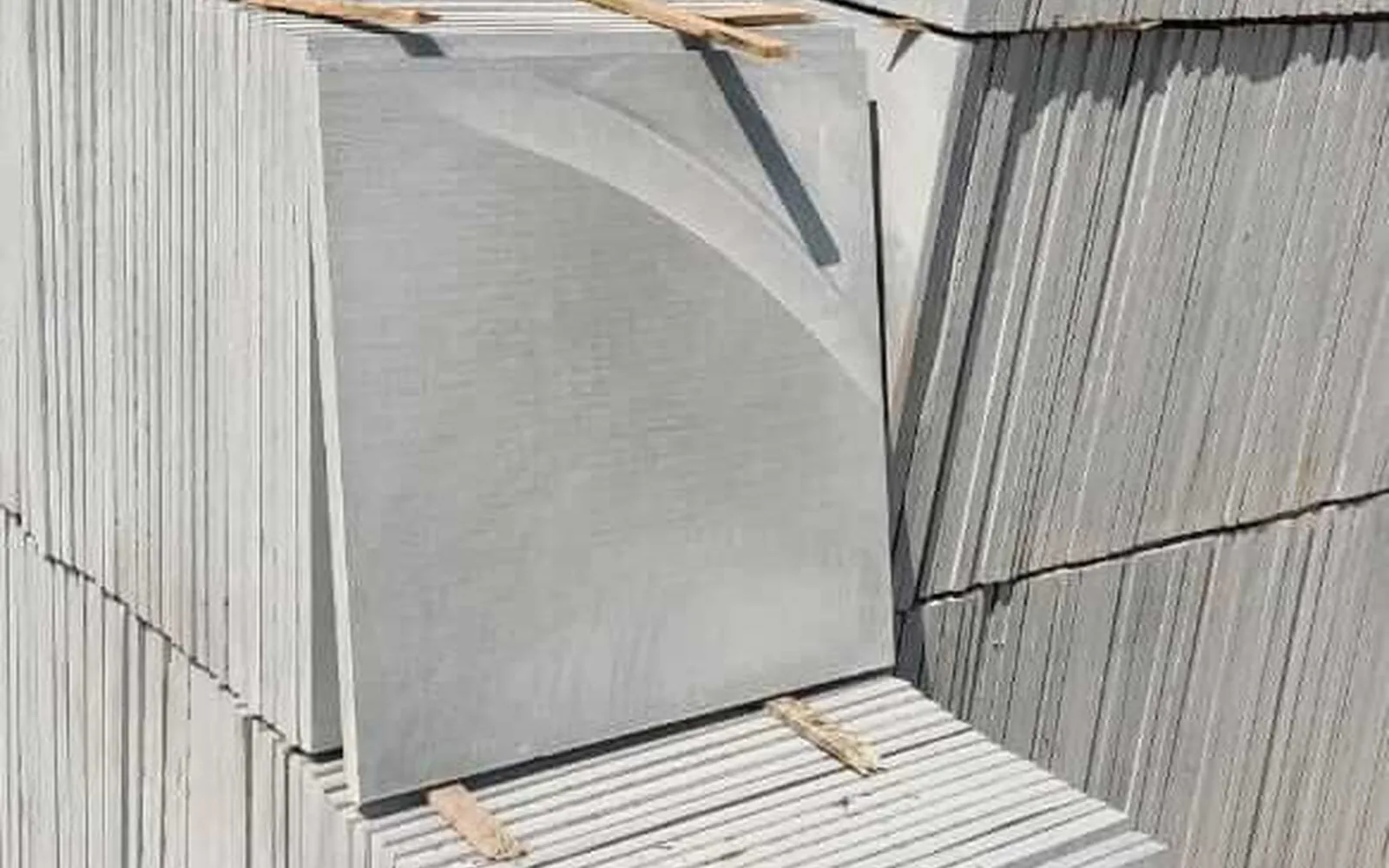
Kota stone is the obvious foundation. It is hard-wearing, cool in summer and available in blue-green and brown tones.
- Living and dining rooms: semi-polished or polished blue-green stone gives a calm, cool base. Large slabs with narrow joints look more refined than small tiles.
- Verandas and courtyards: rough or semi-polished brown stone gives grip and a warm, rustic look.
- Stairs: semi-polished stone with a slightly rounded nosing is practical and durable.
- Bathrooms: avoid a high polish where floors get wet.
Our Kota stone guide covers finishes, buying checks and care, including why acidic cleaners should be kept away from limestone.
At the windows: Kota Doria
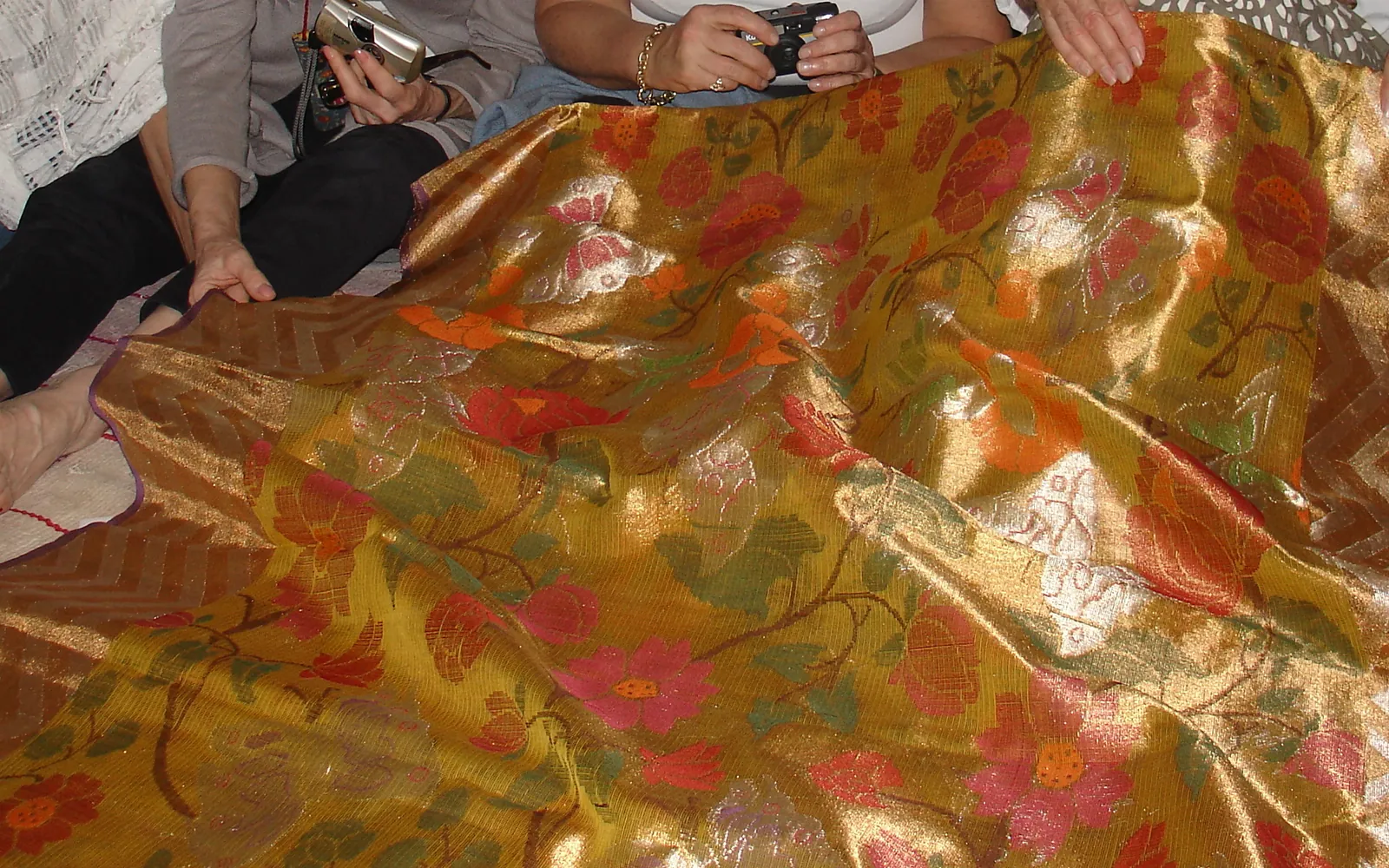
Kota Doria’s open khat weave makes it a natural curtain fabric for hot rooms. It filters glare while letting air move, and in the evening light it gives a soft, textured glow.
- Use pure cotton Kota Doria for curtains; it is more affordable than cotton-silk and easy to wash.
- Hang it on a simple rod with plenty of fullness so the check pattern shows.
- Add a heavier lining curtain or blind for bedrooms and privacy.
- Buy fabric by the metre or ask a tailor to make curtains from unstitched lengths.
Before buying, read where to buy genuine Kota Doria; the same checks apply to curtain fabric as to sarees.
On the floor: dhurries
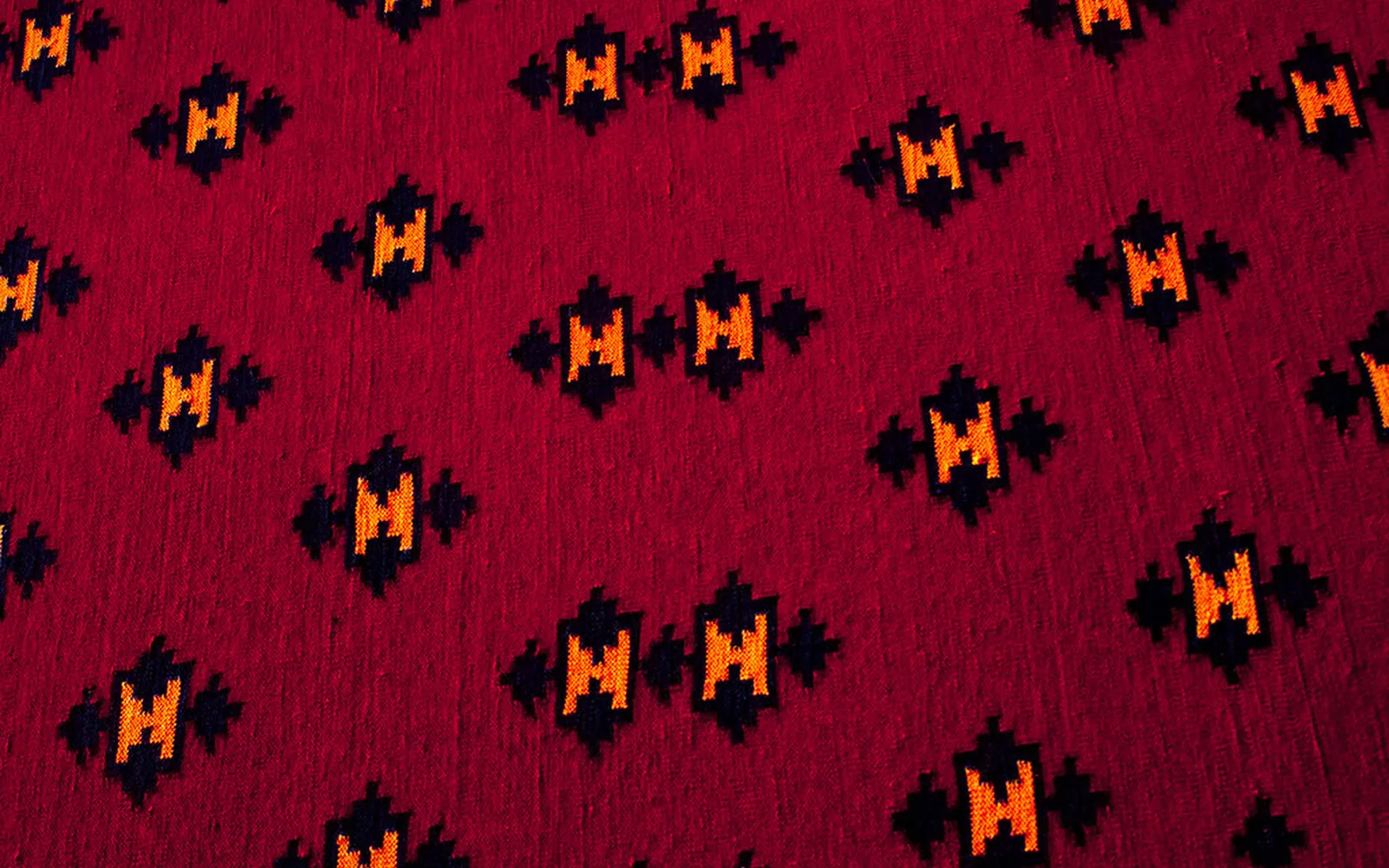
Flat-woven dhurries are made across Rajasthan in cotton and wool. They are thin, light and practical in a hot climate, and their geometric patterns work well against plain stone.
- Cotton dhurries are easy to clean and suit living rooms and bedrooms.
- Wool dhurries are warmer and more durable, good for winter or high-traffic spots.
- Use a non-slip underlay on polished stone.
- Shake out and air dhurries regularly; vacuum gently.
Colour and texture: cushions and throws
Rajasthani embroidered cushion covers, sometimes with mirror work, add colour to a stone-and-white room. Mix one or two strongly patterned cushions with plain cotton ones so the room does not feel busy. Look for neat stitching on the reverse and colours that do not bleed when you rub them with a damp cloth.
Block-printed bedspreads and Kota Doria throws are other easy ways to bring in local textiles.
Light: brass diyas and lamps
Brass diyas, lamp stands and hanging lamps are part of every Rajasthani home at Diwali, but they work all year as decoration. A group of small brass diyas on a stone ledge, or a single larger lamp in an entrance, catches the eye without clutter.
- New brass is affordable and sold widely in the old-city markets.
- Older brass has a deeper character; see our antique hunting guide before paying an antique price.
Handmade accents: felt and wood
Handmade felt wall hangings, coasters and tea cosies add softness and colour, especially in children’s rooms. Our guide to handmade felt toys explains materials and care. A single carved wooden piece, such as a chest or mirror frame, can anchor a room.
Putting it together: three simple looks
| Room | Floor | Textiles | Accents |
|---|---|---|---|
| Cool living room | Polished blue-green Kota stone | White walls, Kota Doria curtains, cotton dhurrie | Brass lamp, two embroidered cushions |
| Courtyard or veranda | Rough brown Kota stone | Outdoor cotton dhurrie | Brass diyas, potted plants |
| Child’s room | Semi-polished stone | Bright cotton dhurrie, block-print bedspread | Felt wall hanging and toys |
Buying tips
- Measure first. Curtain drops, rug sizes and floor areas.
- See colours in daylight. Shop lighting changes everything.
- Buy a sample of fabric or a single tile before committing to large amounts.
- Ask about care for every textile you buy.
Many of these items also make good presents; see the best gifts to buy in Kota.
Practical help for a renovation
Decorating usually comes with some building work. If you are choosing a floor, our comparison of Kota stone vs granite vs marble explains which stone suits which room, and our guide on how to clean and polish a Kota stone floor helps it look good for decades. New lights, fans or a bathroom refit mean hiring tradespeople; our checklist on how to hire an electrician or plumber in Kota covers written estimates, ISI-marked materials and checking concealed work before it is plastered over. Kota Doria curtains and cushion covers need gentle care too; the washing advice in our Kota Doria saree care guide applies to furnishings as well.
Furnishing on a budget
A home decorated with Kota stone, Doria curtains and a dhurrie does not need expensive new furniture. Solid wood tables, chairs and almirahs often turn up second hand in Kota as students and families move, and a sound old piece can be repaired and repolished to suit a traditional room. Our checklist for buying used furniture in Kota explains how to spot termites, bedbugs and swollen board before you pay.
Fans and lights run for many hours a day in Kota, so they are worth choosing for running cost as well as looks. The BEE star rating guide shows how to compare the energy use of ceiling fans and other appliances, and efficient fans also make a home inverter go further during power cuts; see our inverter battery buying guide. Put felt or rubber pads under heavy furniture so it does not scratch a polished stone floor.
Frequently asked questions
Can I use Kota Doria for curtains?
Yes. Its open weave filters harsh sun while letting air through, which suits Rajasthani summers. It is sheer, so pair it with a heavier curtain or blind where you need privacy or darkness.
Which Kota stone finish is best for a living room?
Semi-polished or polished blue-green Kota stone is the usual choice indoors. Avoid a high polish in areas that get wet, where it can become slippery.
What is a dhurrie?
A flat-woven cotton or wool rug, traditionally made across Rajasthan. Dhurries are light, washable or easy to clean, and suit hot climates better than thick pile carpets.
How do I keep brass bright?
Clean with a soft cloth. Traditional cleaners such as tamarind pulp or a lemon and salt paste work, but rinse and dry well afterwards. Many people prefer to let decorative brass develop a soft patina.
Can I furnish a Kota-style home with second hand furniture?
Yes. Solid wood and metal pieces are good second hand buys if the joints are sound and there are no termites. Mattresses and electrical items are usually better bought new.
Sources
Editorial team
The Kota Market team writes and updates the shopping guides on this site and corrects them when readers point out errors.