Kota Doria and crafts
How to Clean and Polish a Kota Stone Floor the Right Way
Written by Kota Market Editorial Team · Updated
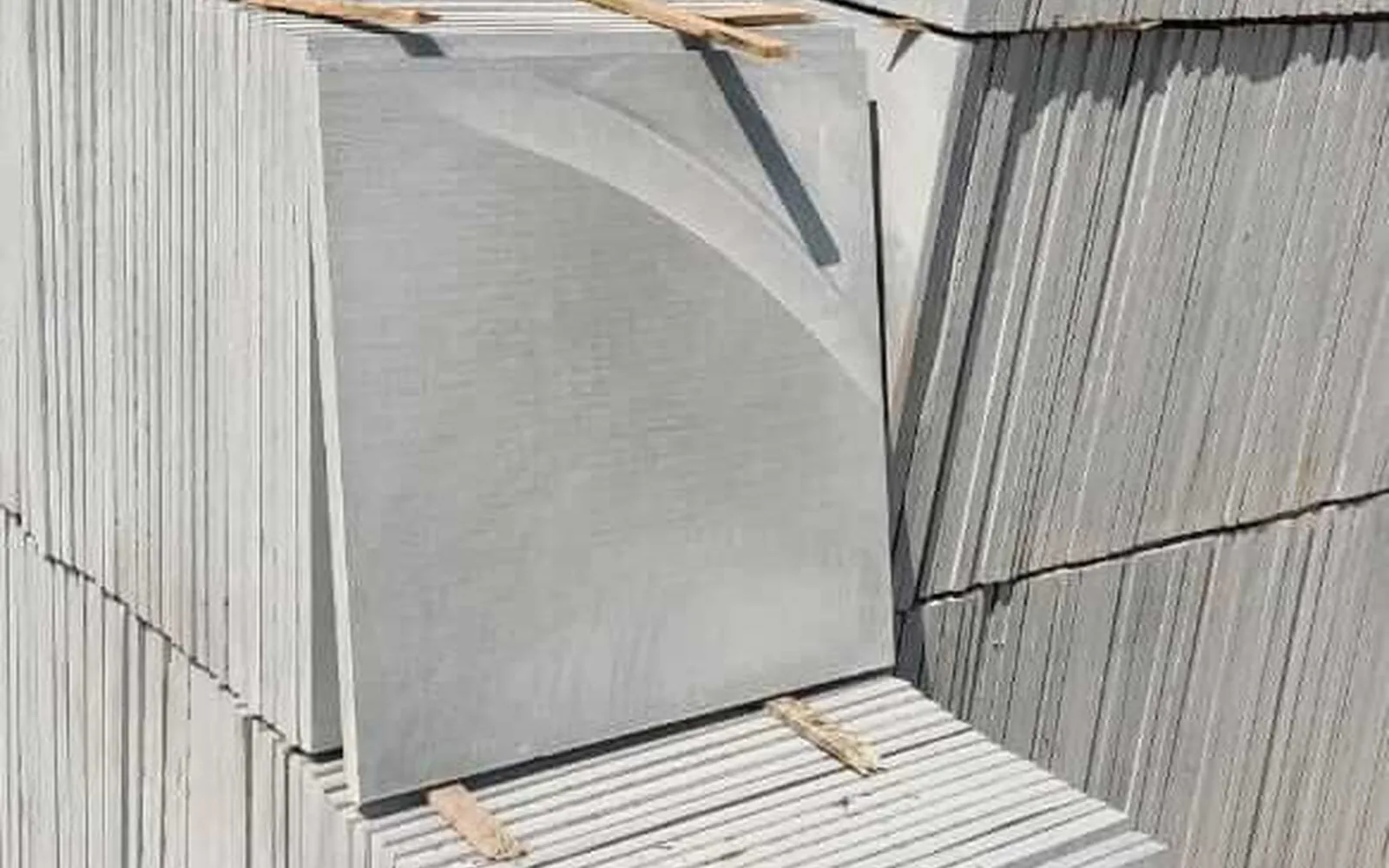
Kota stone floors last for decades, and a well-kept one looks better with age. But many people damage them without realising it, usually with the wrong cleaner. This guide explains how to clean a Kota stone floor day to day, how to deal with the stains that come up in Indian homes, what acids do to the stone, and when it is time to call a polisher rather than scrubbing harder.
If you have not chosen your floor yet, compare the options in Kota stone vs granite vs marble, and read our main Kota stone flooring guide for what to check when buying.
Why Kota stone needs gentle cleaning
Kota stone is a fine-grained limestone, made mostly of calcium carbonate. That makes it hard-wearing under feet but chemically sensitive to acids. An acid reacts with the surface and leaves a dull, slightly rough mark called an etch. Etching is not a stain that can be washed off; it is physical damage that usually needs re-polishing.
The other enemy is grit. Sand and dust carried in on shoes act like sandpaper and slowly wear the finish, especially at doorways and on stairs.
Everyday cleaning routine
- Sweep or dry-mop daily. A soft broom or a microfibre dry mop removes grit before it can scratch.
- Wet-mop with plain water for routine cleaning. For greasy areas, add a small amount of pH-neutral floor cleaner.
- Rinse if you use soap or detergent. Residue leaves a dull film that attracts dirt.
- Dry the floor. Wipe with a dry mop or open windows for ventilation. Standing water leaves marks, particularly on lighter brown shades.
- Use door mats at entrances and between outdoor areas and living rooms. This is the single cheapest way to keep a floor looking polished.
Cleaners to avoid
- Vinegar and lemon juice, often recommended in home tips, are acids and will etch.
- Toilet cleaners, tile cleaners and descalers that contain acids. Read the label; many are designed to dissolve limescale, which is chemically similar to the floor.
- Strong alkaline degreasers used repeatedly can also dull some finishes.
- Abrasive powders and steel wool, which scratch.
- Phenyl and bleach in strong concentration: commonly used, but use them diluted and rinse, and never mix bleach with acid cleaners (this releases harmful gas).
If you are not sure about a product, test it on a hidden corner first and wait a day before using it more widely.
Dealing with common stains
Oil and ghee. Blot fresh spills immediately; do not rub. For an older oil stain, a poultice works: make a paste of an absorbent powder (such as fuller’s earth or a stone poultice product) with water, spread it over the stain, cover with plastic, leave until dry, then lift it off and rinse. Repeat if the stain lightens but does not disappear.
Tea, coffee and turmeric. Blot quickly, then clean with water and a little mild detergent. Turmeric can be stubborn; a professional cleaner may help with old marks.
Water marks and white rings. These are often mineral deposits from hard water or residue left by evaporation. Dry the area and buff with a dry cloth. Avoid descalers, which are acidic.
Etch marks (dull patches from lemon, pickle, vinegar or acidic cleaners). Cleaning will not fix these. Small etches can sometimes be improved by a professional with polishing compound; larger areas need re-polishing.
Rust marks from iron furniture or buckets. Remove the source and get advice before using rust removers, many of which are acid-based.
When and how to restore the shine
If the floor looks dull overall, or has scratches and etch marks, cleaning will not bring it back. Restoration is done by floor polishers with machines that grind the surface with progressively finer abrasives and then polish it. The work is noisy and wet, and furniture must be moved.
Before you hire anyone:
- Ask what the job includes: grinding, polishing, joint filling, sealing, and clean-up.
- Ask how the price is calculated (usually by area) and what counts as extra.
- Ask for a small test patch if you are unsure about the finish.
- Get the agreement in writing, including the expected finish and the time it will take.
- Protect walls, skirting and furniture and agree who covers damage.
Our guide to hiring an electrician, plumber or other tradesperson in Kota has a fuller checklist for any home service.
Should you seal a Kota stone floor?
A penetrating (impregnating) sealer soaks into the stone and reduces how quickly oil and water are absorbed. It is most useful in kitchens, dining areas, bathrooms and outdoor areas exposed to rain. It does not make the floor acid-proof, and it needs reapplying over time. Ask your polisher whether a sealer suits your floor and its finish, and follow the product directions.
Avoid thick surface coatings that sit on top of the stone unless a professional recommends them; they can become slippery, scratch and peel.
Outdoor and veranda floors
Rough or leather-finished Kota stone outdoors needs different care. Sweep regularly, wash with water and a stiff (not wire) brush, and clear algae from shaded damp areas promptly, as it is slippery. Avoid pressure-washing joints at close range, which can erode them.
Choosing a floor for a new room
If you are deciding what to lay in a new room rather than caring for an existing floor, compare the options before you buy. Our guides compare Kota stone vs vitrified tiles and Kota stone vs granite vs marble for stains, slip, repairs and the rooms each suits best. Kitchens, where oil and turmeric are constant, are where the choice matters most.
A simple care plan
| Frequency | Task |
|---|---|
| Daily | Sweep or dry-mop; blot spills |
| Weekly | Wet-mop with water or pH-neutral cleaner; dry |
| As needed | Poultice for oil; buff water marks |
| Every few years (or when dull) | Professional grinding and polishing; reseal risk areas |
A Kota stone floor is one of the most practical things you can buy in Kota. Treat it gently and it will outlast most of what sits on it. For other ideas that use local materials, see decorating your home the Kota way.
Frequently asked questions
Can I use vinegar on Kota stone?
No. Vinegar is an acid and Kota stone is a limestone. Acids can etch the surface, leaving dull, rough patches that need re-polishing.
What is the best everyday cleaner for Kota stone?
Plain water or water with a small amount of pH-neutral floor cleaner. Rinse if you use soap, because residue makes the floor look dull and can attract dirt.
How do I bring back the shine on an old Kota stone floor?
Light dullness can improve with thorough cleaning and buffing with a dry cloth. Real restoration means machine grinding and polishing by a floor polisher, which removes a thin surface layer and restores the finish.
How often should a Kota stone floor be machine polished?
There is no fixed interval. It depends on traffic, grit and the finish. Many floors go years between polishes when grit is controlled with door mats and regular sweeping.
Does Kota stone need sealing?
Not always. A penetrating sealer reduces staining in kitchens, dining areas and bathrooms. In living areas, good cleaning habits are often enough.
Sources
Editorial team
The Kota Market team writes and updates the shopping guides on this site and corrects them when readers point out errors.