Kota Doria and crafts
Handmade Felt Toys in Kota: How They Are Made and Bought
Written by Kota Market Editorial Team · Updated
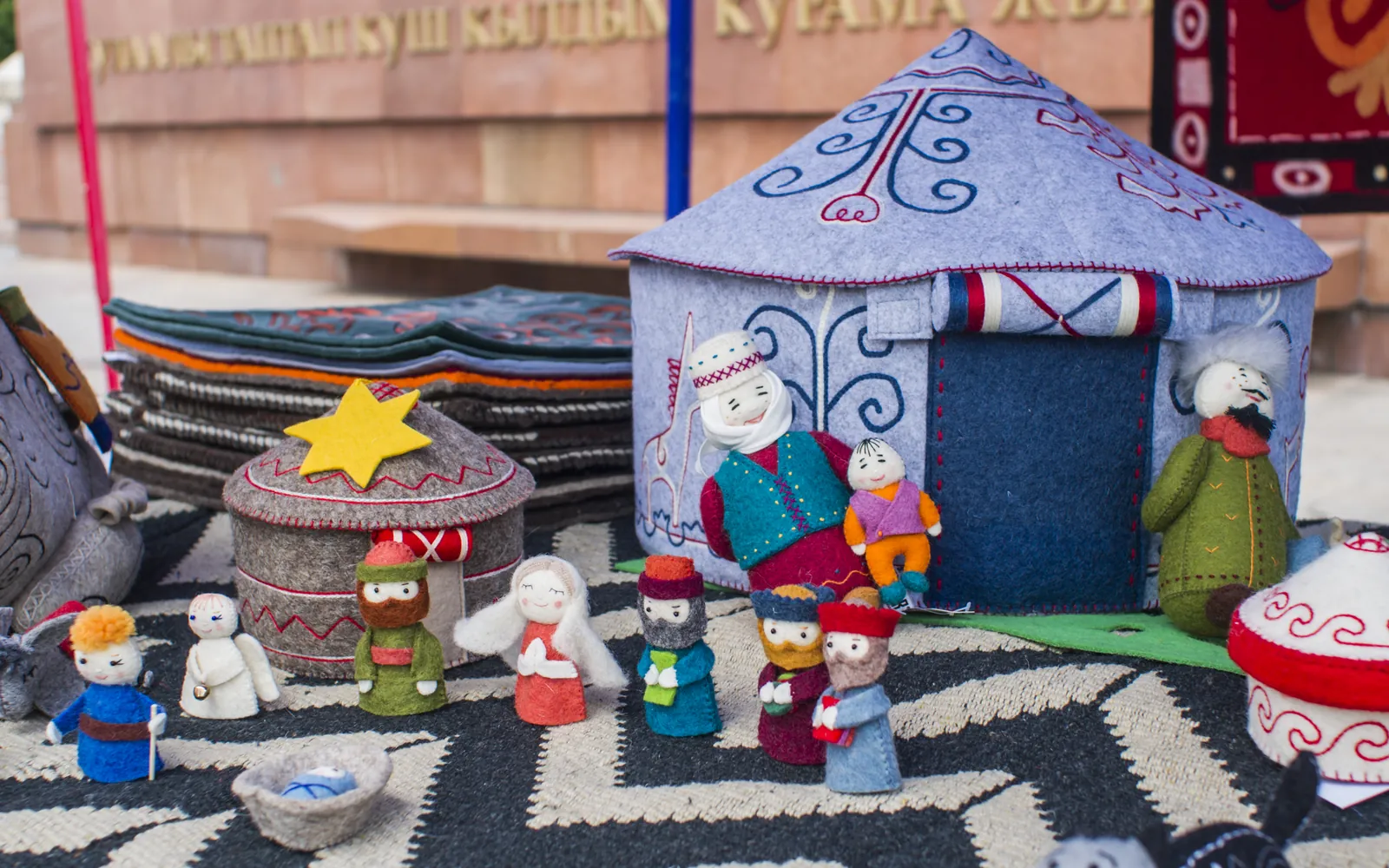
Small, soft and full of character, handmade felt toys are among the friendliest things you can buy from local makers. In Kota, as in many Indian cities, they are often made at home: animals, rattles, baby mobiles, coasters and wall hangings stitched in spare hours and sold to neighbours, at fairs and online.
This guide explains how felt toys are made, what to check before buying one for a baby, how India’s toy safety rules treat handmade toys, and how to buy in a way that is fair to the maker. If you make felt toys yourself, our guide on selling handmade crafts in Kota covers pricing and finding buyers.
How a felt toy is made
There are two main techniques, and many makers combine them.
Cut-and-sew felt. The maker cuts shapes from sheets of felt using paper templates, layers the colours, and hand-stitches the pieces together, usually with blanket stitch or whip stitch around the edges. The toy is stuffed with fibre filling before the final seam is closed. Faces and details are embroidered.
Needle felting. Loose wool fibre is shaped by repeatedly stabbing it with a barbed felting needle, which tangles the fibres into a firm form. This is slow work and is used for small sculpted animals and fine details.
A simple cut-and-sew animal can take an hour or two; a detailed needle-felted piece can take much longer. That time, more than the material, is what you are paying for.
Wool felt or synthetic felt?
Ask what the toy is made of.
| Wool felt | Acrylic or polyester felt | |
|---|---|---|
| Feel | Dense, soft, slightly springy | Thinner, sometimes stiff |
| Durability | Wears well | Can pill and fluff with use |
| Colour | Rich, slightly muted | Very bright |
| Price | Higher | Lower |
| Cleaning | Spot-clean, can shrink if washed hot | Usually tolerates gentle washing |
Both are fine for toys. Wool-blend felt is a common middle ground.
Safety checks for babies and toddlers
Soft toys for young children deserve a careful look. Before buying:
- Pull gently on every feature. Eyes, noses and ears should be stitched or felted on, not glued. Avoid buttons, beads, sequins and bells that a child could pull off, unless they are fully enclosed.
- Check the seams. Squeeze the toy and look for gaps where stuffing could escape.
- Rub test the dye. Wipe the toy with a damp white cloth. Colour coming off is a warning sign for a toy that will be mouthed.
- Size matters. Very small toys, or toys with small parts, are not suitable for children under three.
- Ribbons and strings. Long cords on mobiles and hanging toys should be out of a baby’s reach.
Always supervise young children with soft toys, and keep them out of cots with sleeping infants.
What India’s toy rules say
Since the Toys (Quality Control) Order came into force, toys sold in India are generally required to meet Indian Standards and carry the BIS standard mark. The order includes an exemption for goods manufactured and sold by artisans registered with the Office of the Development Commissioner (Handicrafts) and by registered proprietors or authorised users of Geographical Indications.
For buyers, this means a handmade felt toy from a registered artisan may legitimately have no BIS mark. It does not mean safety stops mattering: the checks above still apply. For makers, it is a good reason to register as an artisan. Rules and notifications change, so check the current position on the BIS and Handicrafts websites linked below before you start selling.
Buying fairly from makers
- Ask the maker about materials and care. People who make by hand are usually happy to explain.
- Expect small differences. Two handmade elephants will never be identical. That is the point.
- Do not bargain too hard. Most of the price is the maker’s time.
- Order ahead for gifts. If you want a set, a name or particular colours, give the maker time.
Felt toys make good presents for new babies; see our list of the best gifts to buy in Kota. Felt wall hangings and coasters also work well in a room, as we describe in decorating your home the Kota way.
Looking after a felt toy
Spot-clean with a damp cloth and mild soap and let it air-dry in the shade. Brush wool felt lightly to lift fibres that have flattened. Store away from damp and, for wool, add a cotton bag with a few dried neem leaves to keep moths away, a common household practice in Rajasthan.
Part of a bigger craft story
Felt-making sits alongside weaving, embroidery and metalwork in Kota’s home-based craft economy. Read more in the story of Kota’s artisans.
Felt toys as festival gifts
Felt toys are popular presents around Diwali and birthdays. Buy them as you would any gift: check stitching and small parts, ask whether the recipient can exchange, and keep the bill. Many small makers do not accept change-of-mind returns, which is fair, but a toy that falls apart on first use is a different matter; our guide to no exchange no refund signs explains the difference. For other festive gifts and checks on sweets, lights and gold, see our Diwali shopping in Kota checklist.
Buying handmade toys online
Many makers now sell through social media and messaging apps, which helps small workshops reach buyers outside Kota. It also attracts copycat pages that use makers’ photos without having the goods. Before ordering a felt toy online, ask for the seller’s business name and address, ask for a short video of the actual piece and avoid paying the full amount in advance to an account you cannot verify. Our guide on how to check if a shopping website is genuine lists the warning signs, and makers who sell online can show they are genuine by following our guide to selling handmade crafts in Kota.
Felt toys are a good choice for young children partly because they have no batteries. If you are buying electronic toys as well, keep their batteries out of children’s reach and hand old ones in for recycling rather than throwing them away; our guide on how to dispose of e-waste explains how.
Frequently asked questions
Are felt toys safe for babies?
They can be, if they are well made. Look for features that are stitched or felted on rather than glued, no buttons or beads a baby could pull off, strong seams and dyes that do not rub off on a damp cloth. Always supervise young children with any soft toy.
What is the difference between wool felt and acrylic felt?
Wool felt is made from sheep's wool, feels denser and softer and tends to last longer. Acrylic or polyester felt is cheaper and brighter but can pill and look tired sooner. Ask the maker which one they use.
How do I clean a felt toy?
Spot-clean with a damp cloth and a little mild soap, then air-dry away from direct sun. Avoid machine washing unless the maker says it is safe, as wool felt can shrink and distort.
Do handmade toys need BIS certification in India?
The Toys (Quality Control) Order generally requires BIS certification for toys sold in India, but it exempts goods made and sold by artisans registered with the Office of the Development Commissioner (Handicrafts) and by registered GI proprietors or authorised users. Rules can change, so check the latest notification on the BIS website before selling.
Can I buy Kota felt toys online safely?
Yes, if you buy from a seller you can verify. Ask for a business name, address and GSTIN where applicable, ask for a video of the actual toy, start with a small order and avoid paying the full amount in advance to an unknown social media shop.
Sources
Editorial team
The Kota Market team writes and updates the shopping guides on this site and corrects them when readers point out errors.