Markets and shopping
Diwali Shopping in Kota: A Practical Festive Checklist
Written by Kota Market Editorial Team · Updated
The weeks before Diwali are the busiest of the year in Kota’s markets. Old-city bazaars fill with lights, sweet shops work through the night and every street seems to sell diyas and rangoli colours. Diwali shopping in Kota is a pleasure if you plan a little, and stressful if you leave it all to the last weekend. This checklist covers the main things people buy, sweets, gold and silver, lights, decorations, gifts and crackers, with the checks that keep you safe and the bills that protect you.
We do not name shops or quote prices. Prices rise and fall through the season; the aim is to help you judge any seller.
Plan before you go
- Make a list by category: sweets, gifts, puja items, decorations, clothes, metals.
- Set a budget for each, especially for gold and electronics.
- Shop early and on weekday mornings. The last few days before Diwali are crowded, parking is difficult and sellers have less time to show you things properly.
- Carry some cash as well as UPI. Networks can slow down when markets are packed.
- Keep bills in one place, such as an envelope or a photo folder on your phone.
Our shopper’s guide to Kota’s main markets explains where different things are sold.
Sweets: freshness and safety
Sweets are the biggest Diwali purchase for most families, and milk-based sweets spoil quickly in warm weather. Demand is high, which unfortunately also tempts some sellers to cut corners.
- Look for the ‘best before’ date. FSSAI requires sweet shops to display a “best before” date for loose, non-packaged sweets on the tray or container.
- Check the food licence or registration. Food businesses must hold an FSSAI licence or registration, usually displayed in the shop. You can look up a licence number on FSSAI’s FoSCoS portal.
- Use your senses. Avoid sweets that smell sour, look sweaty or have a sticky surface where they should be dry.
- Be cautious with silver leaf (varq) that looks unusually thick or dull.
- Buy milk sweets close to the day you will eat or gift them, and refrigerate them.
- Dry sweets and namkeen travel better if you are sending gifts out of town.
FSSAI also publishes simple home tests for common adulterants in its consumer guidance, for example for milk and khoya; our guide to food adulteration tests at home explains them. If you suspect a problem, report it to food safety authorities. Kota’s famous kachori and namkeen make good savoury additions to a gift box; see our Kota kachori guide for how to carry them.
Gold, silver and utensils on Dhanteras
Dhanteras, two days before Diwali, is traditionally a day to buy metals, from gold coins and jewellery to silver and steel or brass utensils. Shops are packed and mistakes happen in a rush.
- Gold jewellery: check the BIS hallmark, the purity grade (for example 22K916) and the six-character HUID, and verify the HUID in the BIS Care app. Our gold hallmark guide explains each step.
- Silver: ask about purity and hallmarking, and get the weight and purity on the bill.
- Weight: watch the piece being weighed on an electronic scale you can see.
- Utensils: check the material (stainless steel grade, brass, copper) is written on the bill, and inspect for dents and loose handles.
Lights and electrical decorations
Decorative lights, extension boards and cheap chargers cause many festive-season fires.
- Look for the BIS mark on LED lights, extension boards and adaptors. Avoid unmarked, very cheap electrical goods.
- Inspect before buying: wires should be firmly attached, with no exposed copper.
- Do not overload sockets. Spread decorations across circuits.
- Keep lights away from curtains, paper decorations and anything flammable.
- Switch decorations off when you go out and at night.
- Outdoor lights should be rated for outdoor use, and connections kept dry.
If you are adding new points or sockets for decorations, our guide on hiring an electrician in Kota explains what to insist on.
Diyas, puja items and decorations
Clay diyas, brass lamps, rangoli colours, torans and puja thalis are sold everywhere in the season.
- Clay diyas: check for cracks; soak them in water before use so they absorb less oil.
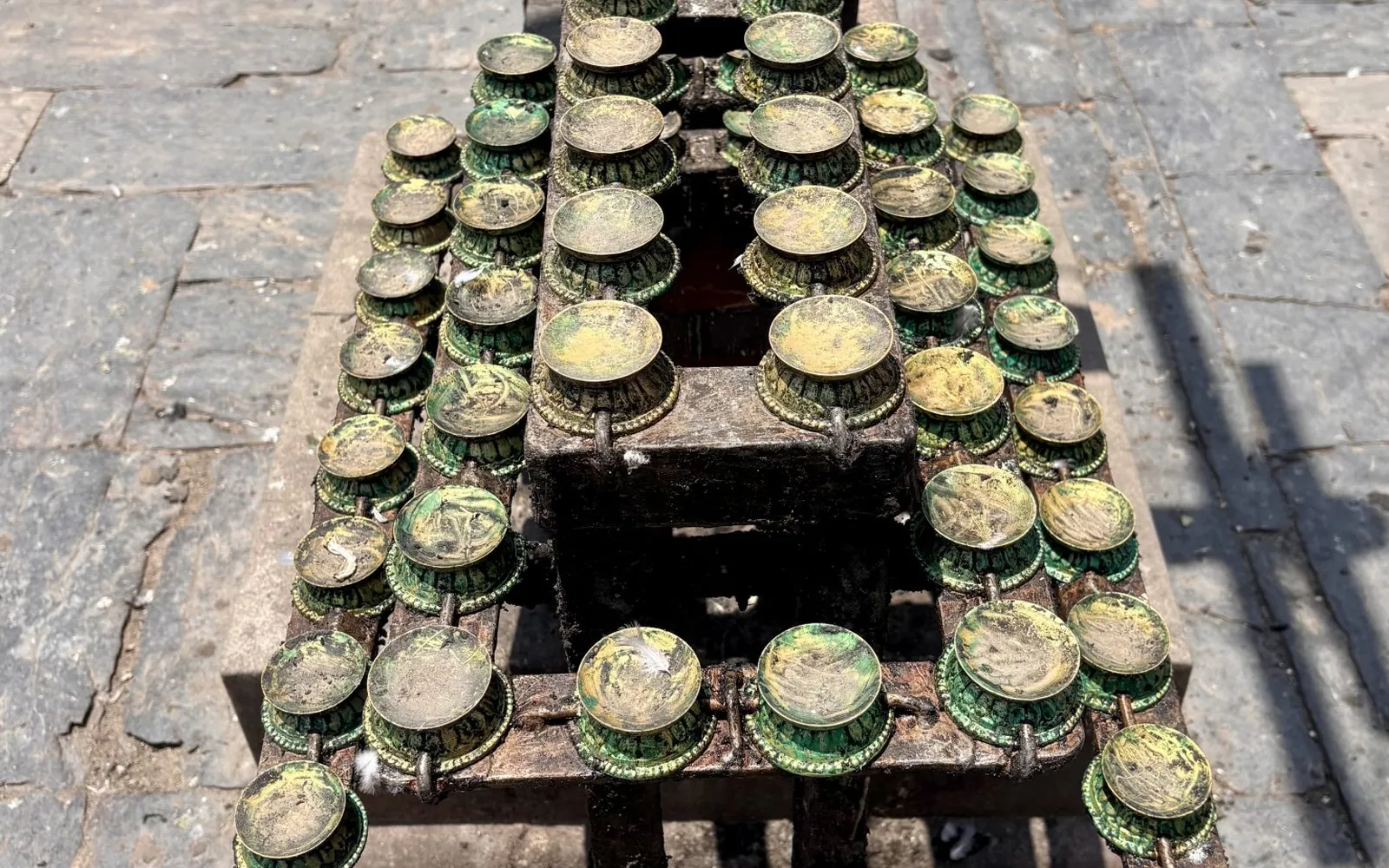
- Brass diyas and puja items: heavier pieces are usually solid brass; ask, and check for a smooth finish. Our gift guide covers brass in more detail.
- Rangoli colours: choose colours sold for skin contact or made with natural ingredients if children will handle them, and keep them away from eyes.
- Buy from local makers where you can; the season is an important part of their income. See why buy local in Kota.
Gifts with a Kota connection
If you want presents that say something about the city:
- Kota Doria dupattas and sarees, ideally handwoven. Check the weave with our power-loom checklist.
- Brass diyas and puja items.
- Dhurries and cushion covers.
- Sweets and namkeen from a shop you trust.
Crackers: check the current rules
Rules on the sale and use of firecrackers, including which types are allowed and at what times, are set by court orders and by the state and district administration, and they change from year to year. Check the current orders for Kota before buying. Where green crackers are permitted, look for packaging that carries the green cracker logo and a QR code, which CSIR-NEERI introduced to help buyers identify approved products.
Whatever you buy, keep water and sand nearby, supervise children, and never light crackers indoors or near parked vehicles.
Clothes and festive sales
Festive sales are a good time to buy clothes and household goods, but check items before paying, ask about the exchange policy (many shops do not exchange sale items) and keep the bill and tags. Our guide to “no exchange, no refund” signs explains what that policy can and cannot cover.
Dussehra comes first
In Kota, the festival season starts with the Dussehra fair, and many families do part of their festive shopping there. If you are going, our guide to Kota Dussehra Mela shopping covers timing, judging stall goods and paying safely in crowds. For decorative lights and extension boards bought anywhere, our guide on how to verify an ISI mark shows how to check a licence number in the BIS Care app before you pay.
After Diwali
Keep bills and warranty cards for electronics and jewellery. If something is defective, go back to the seller first; most problems are solved at the counter. If not, our consumer complaint guide explains the next steps. Happy Diwali.
Frequently asked questions
When is the best time to do Diwali shopping in Kota?
Early in the festive season and on weekday mornings, when markets are less crowded and shopkeepers have more time. The last few days before Diwali are busiest.
How do I check sweets are fresh?
Look for the 'best before' date displayed on trays of loose sweets, buy from shops with a visible FSSAI licence or registration, and avoid sweets that smell sour or look sweaty. Buy milk-based sweets close to when you will eat them.
Are crackers allowed in Kota?
Rules on the sale and use of firecrackers, including permitted types and timings, are set by courts and the state and district administration and can change from year to year. Check the current orders for Kota before buying.
What should I buy on Dhanteras?
Traditionally, metal items such as gold, silver, brass or steel utensils. Whatever you buy, check hallmarks on precious metals and get a proper bill.
What is a good Diwali gift from Kota?
A Kota Doria dupatta or saree, brass diyas or puja items, a Rajasthani dhurrie or a box of sweets from a trusted local shop.
Sources
Editorial team
The Kota Market team writes and updates the shopping guides on this site and corrects them when readers point out errors.