Food and city life
Kota Kachori and Street Food: What to Eat in Kota and Why
Written by Kota Market Editorial Team · Updated
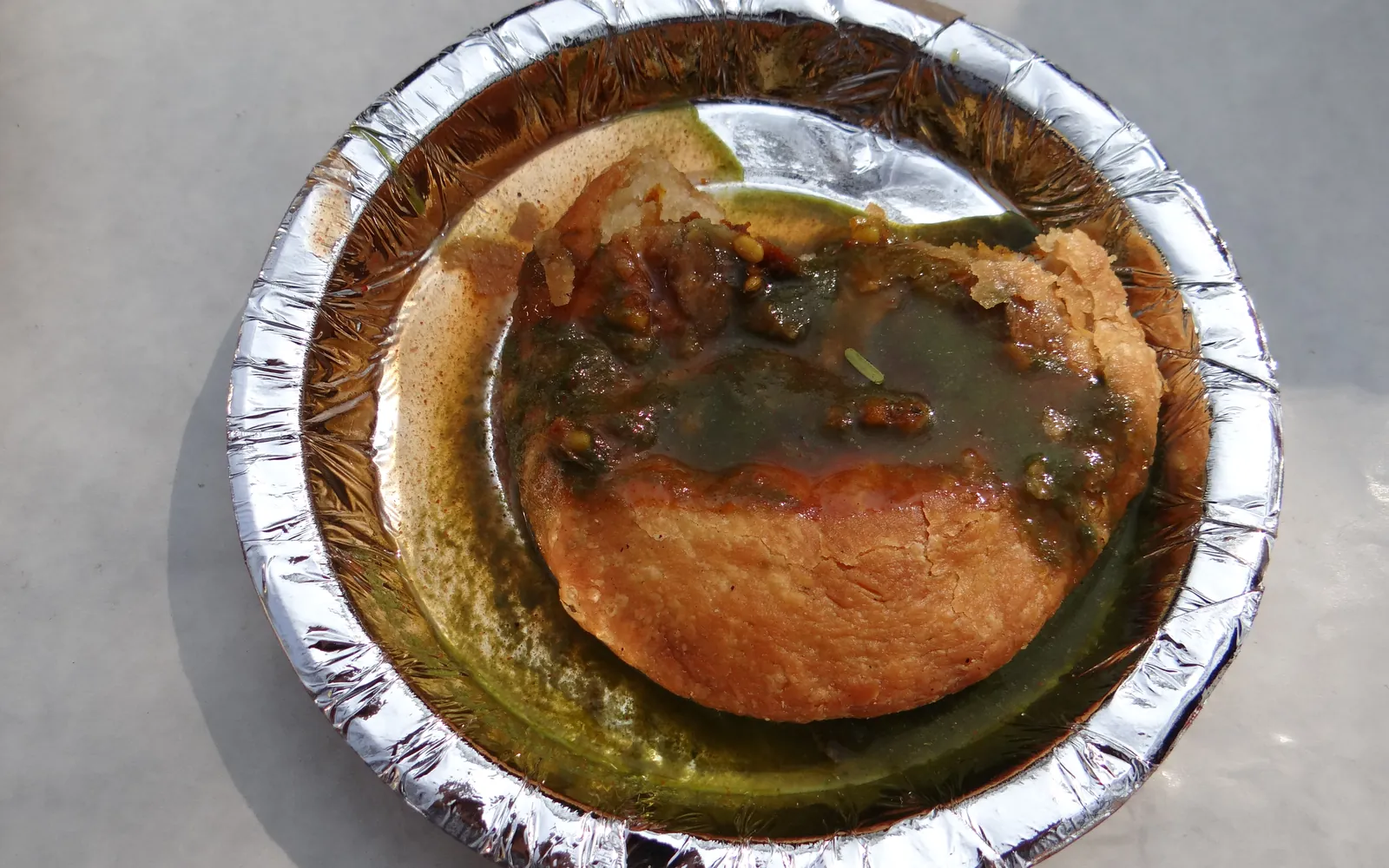
No conversation about what Kota is famous for gets far without food, and the first dish anyone mentions is the Kota kachori. A small, crisp, deep-fried pastry filled with spicy dal and a strong punch of hing (asafoetida), it is eaten hot from the kadhai with a spoon of chutney, ideally standing at a busy counter in the morning.
This guide explains what makes Kota kachori distinctive, what else to try on the city’s streets, and how to eat well and safely. We do not rank or name individual shops: recipes, owners and quality change, and the best kachori is a lively local argument we would not want to end.
What makes Kota kachori different
Kachori is eaten all over north India, but Kota’s version has a reputation of its own:
- The shell: small, round and crisp, with a flaky texture that shatters when you bite.
- The filling: a spiced dal mixture, commonly made with urad or moong dal, coarsely ground and cooked with chilli, fennel, coriander and other spices.
- The hing: the defining flavour. Kota kachori is known for a generous, pungent dose of asafoetida.
- The heat: it is often quite spicy, and the chutney adds more.
Each shop has its own balance of spice, and loyal customers will tell you exactly why theirs is best. Trying several is the best way to find your favourite.
How it is eaten
- Breakfast: the classic time. Kachori comes out of the oil in batches through the morning.
- With chutney: usually a green or tamarind chutney, sometimes both.
- With sabzi: some places serve kachori with a potato curry, though the classic Kota way is with chutney alone.
- With chai: a cup of strong, sweet tea is the natural partner.
Other Kota street food to try
Kota’s food scene is shaped by its big student population, which means plenty of cheap, filling snacks from morning to late evening:
- Samosa: potato-filled and fried, served with chutney.
- Mirchi bada: a large green chilli stuffed with spiced potato, dipped in gram flour batter and fried. Rajasthan’s favourite fiery snack.
- Pyaz kachori: an onion-filled cousin of the dal kachori, popular across Rajasthan.
- Poha: flattened rice cooked with onion, turmeric and peanuts, a light breakfast.
- Jalebi: hot, syrupy spirals that balance all that spice.
- Chai: at every corner, at every hour.
Sweets
Rajasthani sweet shops sell everything from milk-based mithai to dry sweets made with gram flour, sugar and ghee. Festival seasons, especially Diwali, bring special sweets and gift boxes. Milk-based sweets spoil faster in the heat, so eat them fresh; dry sweets travel better.
Food and the student city
Kota’s coaching economy has shaped how the city eats. Messes and tiffin services feed thousands of students every day, and snack counters near coaching areas are busy at break times. Our article on why Kota became a coaching city explains how the student population changed the city.
Eating street food safely
Street food in Kota is part of daily life, and most of it is perfectly safe when sensibly chosen:
- Choose busy stalls. High turnover means fresh food.
- Eat it hot. Freshly fried food straight from the oil is the safest choice.
- Look at the oil. Very dark, smoking oil that has clearly been used for a long time is a warning sign.
- Be careful with water and raw chutneys if you have a sensitive stomach; bottled water is easy to find.
- Wash or sanitise your hands before eating.
FSSAI’s Eat Right India programme, linked below, has more general food-safety tips.
Taking kachori home
Kota kachori is a popular gift. Many sweet and namkeen shops pack dry kachori and savoury snacks for travellers.
- Ask how long the pack keeps and buy close to departure.
- Keep it sealed, cool and dry.
- Check your airline’s rules on carrying food.
See the best gifts to buy in Kota for other ideas.
Make a day of it
Kachori in the morning, a walk through the old-city markets, and an evening by the Chambal is a good way to spend a day in Kota. See our shopper’s guide to Kota’s markets and a day at the Chambal to plan the rest.
Sweets and snacks in the festival season
Around Diwali, sweet and namkeen shops are at their busiest and milk-based sweets spoil quickly in warm weather. FSSAI requires sweet shops to display a “best before” date for loose sweets on the tray or container, and every food business must hold an FSSAI licence or registration, which you can look up on FSSAI’s FoSCoS portal. Dry snacks such as kachori and namkeen travel better than milk sweets if you are sending a gift box out of town. Our Diwali shopping in Kota checklist covers this in more detail, along with lights, gifts and gold on Dhanteras.
Packed snacks: read the label
Kota’s kachori is best eaten hot from the kadhai, but many people take home packed namkeen, mathri and sweets as well. For anything sold factory-packed, the label tells you a lot: the green vegetarian mark, the best before date, the oil used, the FSSAI number and the MRP. Our guide on how to read food labels explains each item and the 30-second check worth doing at the counter.
Kachori packed for you at the shop counter does not carry a printed label in the same way. Ask when the batch was fried, how long it keeps in the heat, and whether it travels well. A shop that is busy all day, fries fresh batches and keeps its oil clean is usually a better choice than one with a tray that has been sitting since morning. If you want to check a shop’s food business registration, our FSSAI licence guide shows how.
When carrying snacks to another city, keep them in a cool, dry bag, away from direct sun in a car or train, and eat filled kachori within the time the shop suggests. Dry namkeen keeps better than filled snacks.
Frequently asked questions
What is special about Kota kachori?
Kota kachori is known for its crisp, flaky shell and a spicy filling of coarsely ground dal with a strong hing (asafoetida) flavour. Recipes vary between shops, which is part of the fun of trying several.
What is the filling of Kota kachori?
Usually a spiced dal filling, often made with urad or moong dal, flavoured with hing, chilli, fennel and other spices. Each shop guards its own balance of spices.
How long does packed Kota kachori last?
It depends on the shop and the type. Dry kachori packed for travel generally lasts a few days in a sealed pack. Ask the shop and keep it cool and dry.
Is Kota street food very spicy?
Kachori and mirchi bada can be quite hot. Ask for less chutney, or balance it with something sweet like jalebi.
When is the best time to eat kachori in Kota?
Morning is the classic time, when kachori comes out of the oil hot and fresh. Many shops also sell through the afternoon and evening.
What should I check on a packed box of kachori or namkeen?
For factory-packed snacks, check the veg mark, the best before date, the ingredients, the FSSAI number and the MRP. For kachori packed at the counter, ask when it was made and how long it keeps.
Sources
Editorial team
The Kota Market team writes and updates the shopping guides on this site and corrects them when readers point out errors.