Food and city life
How to Read Food Labels in India: Veg Mark, Dates and MRP
Written by Kota Market Editorial Team · Updated

Kota’s kirana shops, supermarkets and student messes sell a huge amount of packaged food: namkeen, biscuits, atta, oil, spices, instant noodles and sweets. The label on each packet carries more useful information than most people read. This guide explains how to read food labels quickly in a shop, which marks are required by law, and what to do when a label looks wrong.
The rules come mainly from two places: the Food Safety and Standards Authority of India (FSSAI), which sets labelling rules for food, and the Legal Metrology (Packaged Commodities) Rules, which cover MRP, quantity and the maker’s details on all packaged goods.
1. The veg and non-veg mark
Near the product name you should see one of two symbols:
- Vegetarian: a green square outline with a green filled circle inside.
- Non-vegetarian: a brown square outline with a brown filled triangle inside.
The non-vegetarian mark used to be a brown circle; the triangle was introduced so the two are easier to tell apart, including for people with colour blindness. You may still occasionally see older stock. If a product’s ingredients include egg, the non-vegetarian mark applies.
FSSAI has also introduced a separate logo for vegan food. It is voluntary and appears only on products that claim to be vegan.
2. The dates
- Date of manufacture or packing: when the food was made or packed.
- Best before: until this date the food keeps its full quality if stored as directed. After it, the food may lose flavour or texture.
- Use by or expiry: the last date the food is considered safe to eat. It is used for perishable foods. Food past this date should not be sold or eaten.
Read the storage instructions next to the date. “Store in a cool, dry place” matters in Kota’s summer heat; “refrigerate after opening” matters for sauces, paneer and dairy.
For loose sweets in a display tray, FSSAI requires shops to show a best before date on the tray; our Diwali shopping guide covers this for festival sweets.
3. The ingredients list
Ingredients are listed in descending order of weight at the time of making. The first two or three items tell you what the product mostly is. A “fruit drink” whose first ingredient is water and second is sugar is mostly sugar water.
Look out for:
- Added sugar under several names, such as sugar, glucose syrup, invert syrup or maltodextrin.
- The type of oil or fat, such as palm oil, vegetable fat or hydrogenated oil.
- Additives, shown by their class (for example, preservative, colour, emulsifier) and a name or an international number.
4. The nutrition table
Most packaged foods must show nutritional information, usually per 100 g or 100 ml and sometimes per serving. It includes energy, protein, carbohydrate, sugar, fat and, depending on the product, other values such as saturated fat, trans fat and sodium.
To compare two products, use the per 100 g column, not per serving, because serving sizes differ between brands.
5. Allergens
Labels must declare common allergens such as milk, nuts, wheat (gluten), soy and others listed in the rules. “May contain” statements warn that the food was made where allergens are also handled. If anyone in your family has a food allergy, read this part every time, even for a product you have bought before, because recipes change.
6. The FSSAI logo and number
Every packaged food should carry the FSSAI logo and a 14-digit licence or registration number. Some packs show two numbers, for example the brand owner’s and the manufacturer’s. If the number looks wrong or is missing, check it on FoSCoS using our FSSAI licence check guide.
7. MRP, quantity and the maker’s details
Under the Legal Metrology rules, packaged goods sold in shops must show:
- Name and address of the manufacturer, packer or importer.
- Common or generic name of the product.
- Net quantity by weight, volume or number.
- Maximum Retail Price (MRP) inclusive of all taxes.
- Unit sale price, such as price per kilogram or litre, which helps you compare pack sizes.
- Month and year of manufacture or packing.
- Consumer care details: a phone number, email or address for complaints.
A shop may sell below MRP but not above it, and cold drinks or water are no exception. See our MRP overcharging guide if you are charged more.
8. Other logos you may see
- Jaivik Bharat: FSSAI’s logo for certified organic food. “Natural” or “farm fresh” claims on their own do not mean organic.
- +F: food fortified with added vitamins or minerals, such as fortified salt, oil, atta or milk.
- Imported food: should show the importer’s name and address in India.
Claims on the front of the pack
The front of a packet is designed to sell; the back is where the rules apply. Words such as “healthy”, “natural”, “no added sugar”, “high protein” or “made with real fruit” are claims, and FSSAI has rules on when some of them may be used. Treat them as a prompt to check the back:
- “No added sugar” does not mean no sugar. Fruit juices and dried fruit contain natural sugars; check the sugar line in the nutrition table.
- “Made with whole wheat” or “multigrain” can describe a product that is still mostly refined flour. Check where the whole grain appears in the ingredients list.
- “Lite” or “low fat” products sometimes make up the taste with sugar or salt. Compare per 100 g with the regular version.
- Pictures of fruit, nuts or vegetables on the pack do not tell you how much of them is inside. The ingredients list may give a percentage for the ingredient highlighted in the name or picture.
Food for children and special diets
Infant food, baby formula and foods for special medical purposes have stricter labelling rules and should be bought only from reliable shops with the seal intact. For packaged snacks aimed at children, the same back-of-pack check applies: sugar, salt and fat per 100 g, and the first ingredients.
A 30-second label check in the shop
- Veg or non-veg mark.
- Use by or best before date, and the pack is sealed and not swollen or torn.
- First three ingredients.
- Allergens, if relevant to you.
- FSSAI number and MRP.
What labels cannot tell you
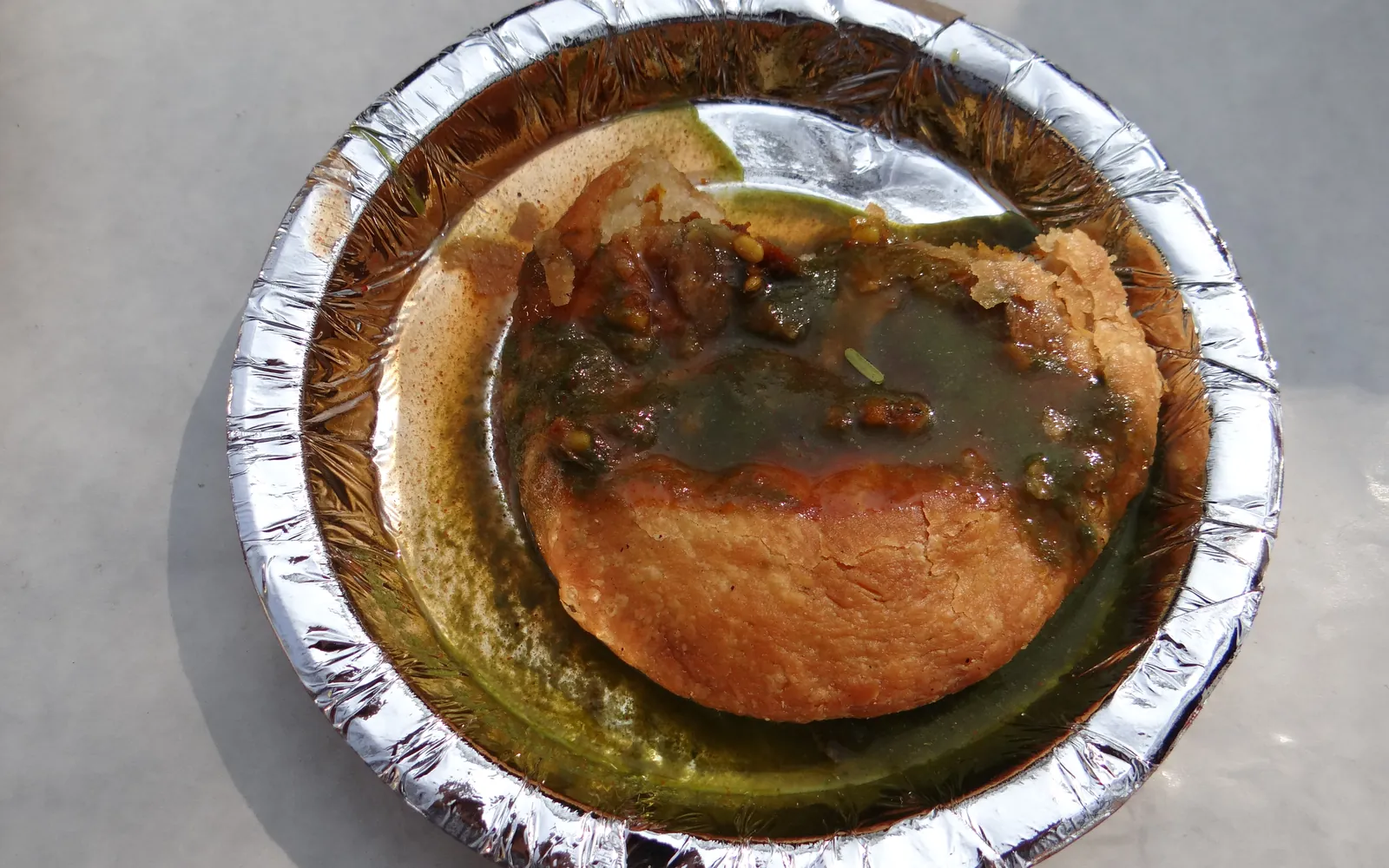
A correct label does not prove that the food inside is pure. For simple home screening of milk, spices and sweets, see our food adulteration tests at home. For unpackaged food, such as Kota’s famous kachori bought hot from a stall, there is no label; judge the shop’s hygiene, oil and turnover instead, as our Kota kachori guide explains.
If a label is wrong or missing
- Expired or spoiled food: return it to the shop with the bill. Keep the pack and take photos of the label and date.
- Wrong quantity or price above MRP: complain to the Legal Metrology department or the National Consumer Helpline.
- Food safety concern: report it through FSSAI’s official grievance channels.
Keep the bill, the pack and your photos. If the shop does not resolve it, our consumer complaint guide explains how to escalate.
Frequently asked questions
What do the green and brown symbols on food packets mean?
A green square with a green filled circle inside marks vegetarian food. A brown square with a brown filled triangle inside marks non-vegetarian food. They are required on packaged food under FSSAI's labelling rules.
What is the difference between best before and use by?
Best before tells you until when the food keeps its best quality if stored as directed. Use by or expiry tells you the last date it is safe to eat. Food past its use by date should not be sold or eaten.
Why are ingredients listed in a particular order?
Ingredients are listed in descending order of their weight in the product at the time of making. If sugar or oil comes first or second, it is a large part of what you are buying.
Can a shop charge more than the MRP on a packet?
No. MRP is the maximum retail price inclusive of all taxes. A shop can sell below MRP but not above it. Our MRP overcharging guide explains how to complain.
Where can I complain about a misleading food label?
Report food safety and labelling concerns to FSSAI through its official grievance channels, and quantity or MRP problems to the Legal Metrology department or the National Consumer Helpline.
Sources
Editorial team
The Kota Market team writes and updates the shopping guides on this site and corrects them when readers point out errors.