Food and city life
How to Check an FSSAI Licence Number Before You Buy Food
Written by Kota Market Editorial Team · Updated
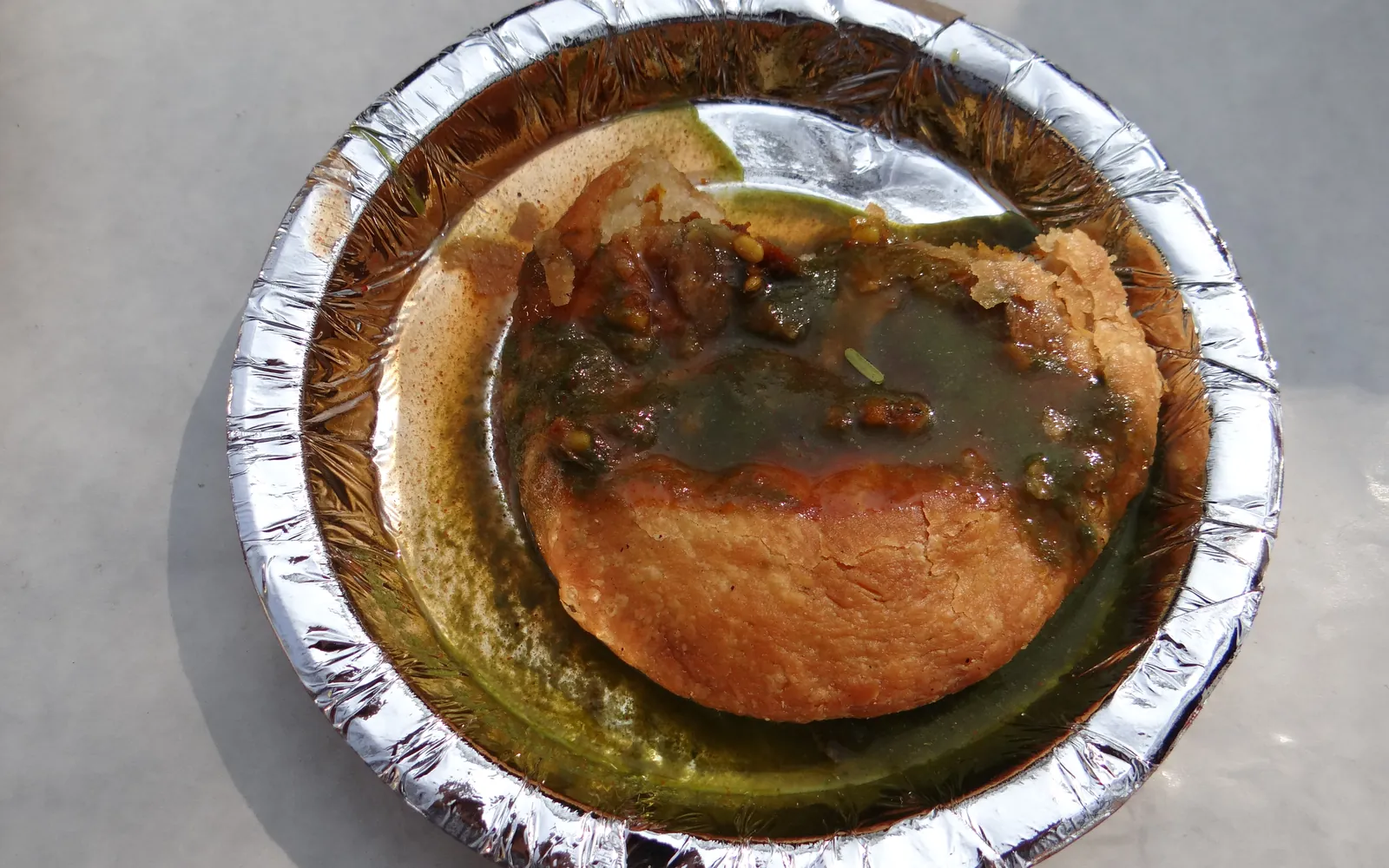
Kota eats well: kachori in the morning, namkeen by the kilo, mithai for every celebration and tiffin services that feed thousands of students. Every one of those food businesses is supposed to be registered with the Food Safety and Standards Authority of India (FSSAI). This guide shows you how to check an FSSAI licence number in a couple of minutes, what the result tells you, and what to do if something does not add up.
Why the FSSAI number matters
The FSSAI number is not a quality award. It tells you that a food business is known to the regulator, has declared what it does and where, and can be held to food safety rules. That matters for three reasons:
- Traceability. If a packet makes someone ill, the number leads back to a real business and address.
- Accountability. Food safety officers inspect registered and licensed premises, and the business can lose its licence.
- A quick fake test. Counterfeit or unbranded packets often carry a made-up number, someone else’s number, or none at all.
A valid number does not guarantee that a particular batch is fresh or unadulterated. It is one check among several, alongside the best-before date, the condition of the pack and the look and smell of the food.
Registration, state licence or central licence
FSSAI uses three levels, depending mainly on the size and type of business:
- Basic registration for very small operators: small shops, stalls, hawkers, home-based makers and similar businesses below the turnover limit set in the rules.
- State licence for medium-sized businesses such as larger restaurants, manufacturers and distributors.
- Central licence for the largest businesses and for some activities regardless of size, such as importers and operators working across several states.
All three come with a 14-digit number. For checking purposes you do not need to know which level a business should have; you just need the number to be real, current and matched to the business in front of you.
Where to find the number
- On packaged food: near the FSSAI logo on the label, usually close to the manufacturer’s name and address. Some packs show more than one number, for example the brand owner’s and the manufacturer’s.
- In the shop: food businesses are required to display their licence or registration, and FSSAI has introduced a Food Safety Display Board format that shows the number along with basic hygiene points.
- On bills: FSSAI has directed food businesses to print their licence or registration number on cash memos and invoices.
- Online and app orders: delivery apps and restaurant websites generally show the restaurant’s FSSAI number on the menu or listing page.
How to check an FSSAI licence number
- Open the FoSCoS portal at foscos.fssai.gov.in.
- Choose the option to search for a food business operator or verify a licence or registration. The wording on the site changes from time to time.
- Type the 14-digit number exactly as printed and complete any security check.
- Read the result: name of the business, address, kind of business, licence category and status or validity.
- Compare it with the shop or the packet. The name may be a company name rather than the shop’s signboard name, but the address and the kind of business should make sense.
FSSAI also runs a consumer app, Food Safety Connect, which can be used for complaints and information. Search for it in your phone’s official app store and check that the publisher is FSSAI.
Red flags
- No number at all on a packaged food product.
- A number with the wrong length, or letters and symbols mixed in.
- “Not found” or an expired or cancelled status on FoSCoS.
- The number belongs to a different business, for example a big brand’s number printed on a local, unbranded pack.
- The address is in a different city for a product the seller claims is “made fresh here”, which is not always wrong, but deserves a question.
- A shop that refuses to show its licence or print it on the bill.
What to do if something is wrong
- Do not buy, or stop eating the product if you already have it.
- Keep the evidence: the packet, the bill, and photos of the label and the FoSCoS result.
- Report it to FSSAI through the Food Safety Connect app or the FoSCoS portal’s grievance option. Mention the product, the shop’s location and what you found.
- Ask for your money back from the seller. If they refuse, our consumer complaint guide explains the National Consumer Helpline and the District Consumer Commission.
- If someone fell ill, see a doctor first, and keep the remaining food sealed if you can.
If the problem is the food itself rather than the paperwork, for example milk that seems watered down or spices that bleed colour, our guide to food adulteration tests at home explains FSSAI’s simple screening tests.
Where Kota buyers use this most
- Sweets and namkeen around festivals: our Diwali shopping guide also covers the best-before date that sweet shops must display on loose sweets.
- Street food and kachori: our Kota kachori guide has practical tips on eating safely.
- Tiffin services and messes for students: ask for the registration number before you pay for a month in advance.
- Wedding caterers: ask for the caterer’s FSSAI number when you book, and put it on the written agreement. Our wedding shopping guide has the full checklist.
If you sell food yourself
If you make pickles, papad, sweets or snacks at home and want to sell them, you need FSSAI registration or a licence before you start. Our guide to starting a small business in Kota lists the other registrations to think about, and our selling handmade crafts guide covers fairs and online channels. Applications are made on FoSCoS, and FSSAI publishes the requirements for each category.
A two-minute habit
You do not need to check every packet of biscuits from a big brand. Check when you buy from a new tiffin service, a caterer, an unfamiliar brand, a festival stall or anything sold loose in plain packaging. A two-minute FoSCoS search is a small price for knowing who actually made what you eat.
Frequently asked questions
How many digits does an FSSAI licence number have?
FSSAI licence and registration numbers have 14 digits. If a label shows fewer or more digits, or letters mixed in, check it carefully on FoSCoS.
Is there a difference between FSSAI registration and an FSSAI licence?
Yes. Very small food businesses take a basic registration, while larger businesses need a state licence or, for the largest and some specific activities, a central licence. All of them get a 14-digit number that you can check.
Does a home baker or tiffin service need FSSAI registration?
Food businesses run from home are still food businesses. FSSAI's rules expect them to register; small operators usually qualify for basic registration.
What should I do if the number on a packet is fake?
Keep the packet and the bill, take photos, and report it through FSSAI's grievance channels such as the Food Safety Connect app or the FoSCoS portal. For a refund, you can also go to the National Consumer Helpline.
Should the FSSAI number be printed on the bill?
FSSAI has directed food businesses to mention their licence or registration number on bills and invoices. If it is missing, ask for it; a genuine business can show it.
Sources
Editorial team
The Kota Market team writes and updates the shopping guides on this site and corrects them when readers point out errors.


