Selling and small business
How to Sell Your Handmade Crafts in Kota: A Practical Guide
Written by Kota Market Editorial Team · Updated
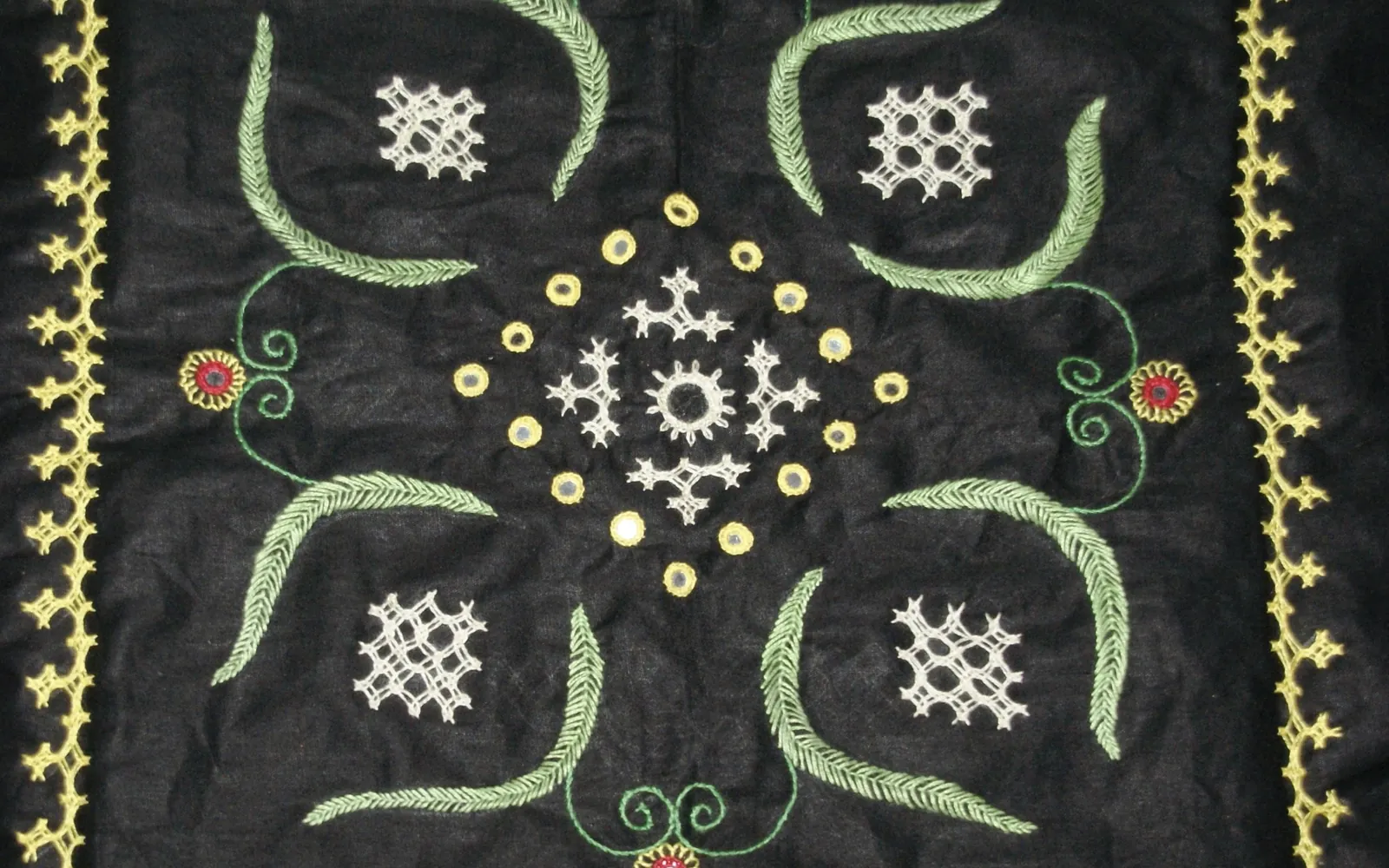
If you make felt toys, embroidery, Kota Doria finishing, jewellery or any other handmade product at home, there are more ways to reach buyers than ever. This guide explains how to sell handmade crafts in Kota: pricing your work fairly, presenting it well, getting recognised as an artisan, finding buyers locally and online, and the rules to check as you grow.
Step 1: Price your work properly
Many makers undercharge, especially when they compare their prices with factory goods. A simple formula helps:
Price = materials + (hours x hourly rate) + overheads + profit
- Materials: felt, wool, thread, fabric, stuffing, beads, packaging.
- Hours: time to make one piece, including cutting and finishing.
- Hourly rate: decide what your skilled time is worth. Do not set it at zero.
- Overheads: a share of electricity, travel to buy materials, phone data, fair fees.
- Profit: so the business can grow and absorb bad months.
Then compare with similar handmade items. If your price seems high, explain the work: “hand-stitched, wool felt, takes four hours” is a selling point. Competing on price with machine-made goods is a race you will not win.
Step 2: Make your products photograph well
Good photos sell. You do not need a camera; a recent phone is enough.
- Use daylight near a window, not harsh direct sun or yellow indoor bulbs.
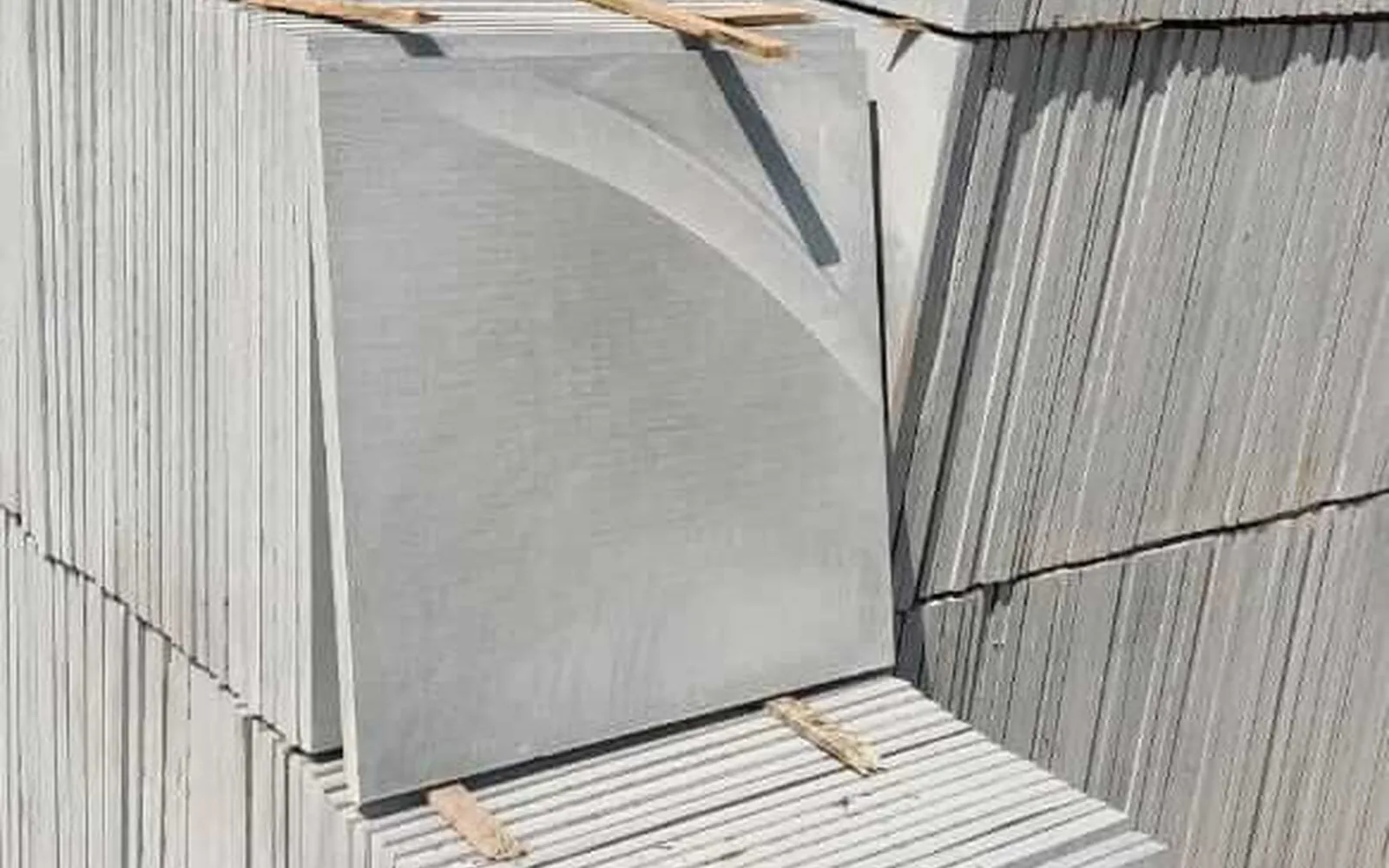
- Plain background: a white sheet, a wooden table or a piece of Kota stone.
- Several angles: front, back, close-up of the stitching, and one photo showing size (in a hand or next to a common object).
- Consistent style across all your products so they look like a collection.
- Show it in use: a cushion on a sofa, a toy in a child’s hands (with permission).
Step 3: Get recognised as an artisan
Craftspeople can register with the Office of the Development Commissioner (Handicrafts) and receive an artisan identity card. Registration can help with:
- Applying for stalls at government-organised fairs and exhibitions.
- Access to training, tool and design schemes when available.
- Some regulatory exemptions. For example, the Toys (Quality Control) Order exempts goods made and sold by registered artisans; see our felt toys guide.
Kota Doria weavers can also look into becoming authorised users of the Kota Doria Geographical Indication. Read more in the story of Kota’s artisans.
Step 4: Start where buyers can see your work
- Friends, family and neighbours. Your first buyers and your best source of honest feedback.
- Local shops. Gift shops, boutiques and cafes may take items on consignment (you are paid when they sell). Agree commission and terms in writing.
- Craft fairs and festival melas. Diwali, Rakhi and wedding seasons are busy. Bring a range of price points.
- Schools, offices and coaching areas. Small, affordable items such as keychains and coasters sell well where many people pass.
Step 5: Add online channels
Once your products, prices and photos work locally, go online:
- Messaging apps and social media. A business profile with a catalogue, clear prices and delivery terms. Reply quickly.
- Online marketplaces that accept handmade sellers. Read their fees, return rules and registration requirements carefully.
- Your own simple page or catalogue so you are not dependent on one platform.
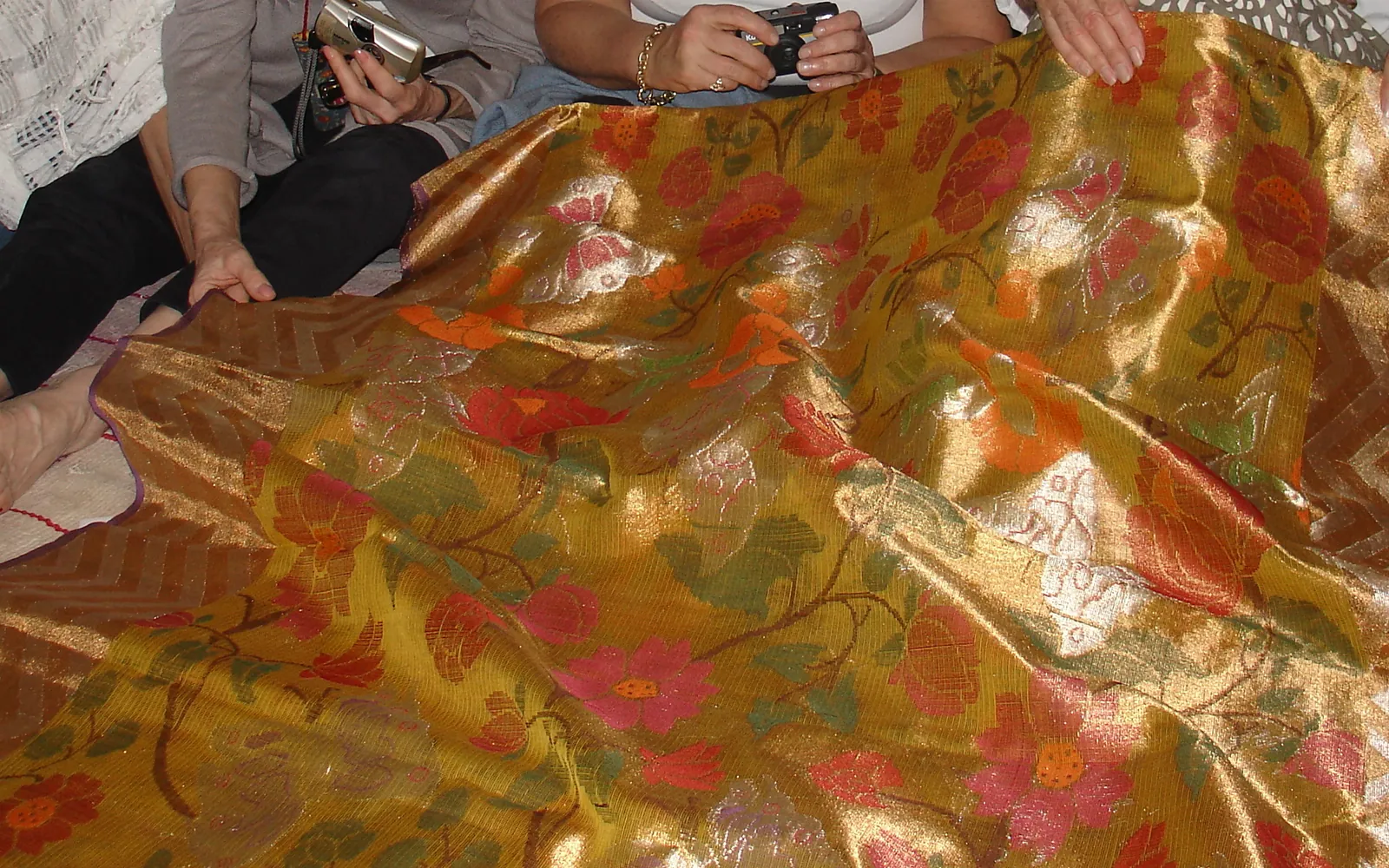
Accept UPI, keep a simple record of every order, and pack carefully. A broken toy or creased saree costs more than the sale.
Step 6: Check the rules as you grow
- Udyam registration is free and identifies you as a micro or small enterprise, useful for schemes and loans.
- GST depends on turnover, product, and whether you sell across states or through marketplaces. Check the GST portal or ask a tax practitioner.
- Product safety: toys, electrical items and some other categories have mandatory standards. Check BIS rules for your product category.
- Food products need FSSAI registration or a licence.
Our small business guide goes through these in more detail.
Step 7: Build repeat customers
- Include a small card with your name and contact in every order.
- Ask happy customers to recommend you.
- Offer custom orders: names, colours, sets for occasions.
- Plan seasonal products well in advance of Diwali, Rakhi and wedding season.
Selling with Kota Market
If you make or sell in Kota and want to tell us about your work, use our contact page. We will reply honestly about what we can offer. We do not promise traffic, sales or delivery times, and we do not charge makers to be mentioned in our guides.
Buyers increasingly look for local, handmade products. With fair pricing and good presentation, your work can find them.
Bills, returns and trust
Buyers trust makers who are clear about what they sell. Give a simple bill or receipt that describes the item honestly: material, size, and whether it is handmade. State your exchange policy before the sale, and remember that a “no exchange” policy covers change-of-mind returns but not items that are defective or not as described; our guide to no exchange no refund signs explains the difference from the buyer’s side. If you weave Kota Doria, look into registering as an authorised user of the GI; our Kota Doria GI tag guide explains what that means for buyers checking your label. Including care notes, such as those in how to wash a Kota Doria saree, also reduces complaints.
Frequently asked questions
How do I price handmade products?
Add up materials, your hours multiplied by a fair hourly rate, a share of overheads such as electricity and packaging, and a profit margin. Then compare with similar handmade items. If the result seems high, explain the work involved rather than cutting your rate.
Do I need GST registration to sell crafts?
It depends on your turnover, what you sell and how you sell it, including whether you sell to other states or through online marketplaces. Thresholds and exemptions change, so check the GST portal or ask a tax practitioner before you start selling at scale.
What is an artisan card?
Craftspeople can register with the Office of the Development Commissioner (Handicrafts) and receive an artisan identity card. It helps with access to government fairs, schemes and some exemptions.
Should I sell online or locally first?
Most makers do best starting locally, where buyers can see and touch the work and give feedback, then adding online selling once their products, prices and photos are tested.
Can I list my products on Kota Market?
Use our contact page to tell us about your work. We will reply with what we can offer; we do not promise traffic or sales figures.
Sources
Editorial team
The Kota Market team writes and updates the shopping guides on this site and corrects them when readers point out errors.