Markets and shopping
304 vs 202 Stainless Steel Utensils: How to Check Quality
Written by Kota Market Editorial Team · Updated
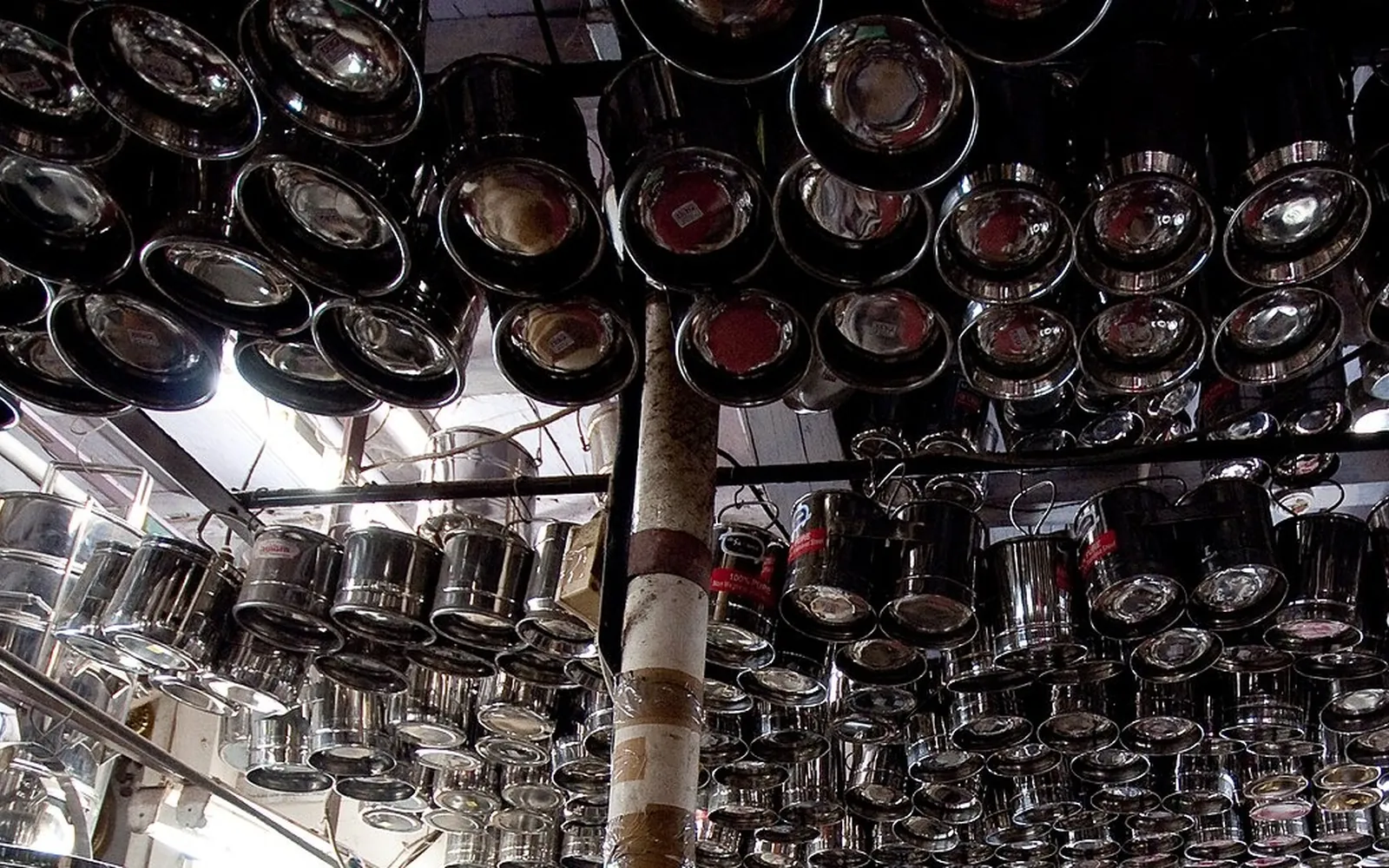
Steel utensils are among the most common purchases in any Indian home, and the festival season makes them even more popular: Dhanteras, two days before Diwali, is traditionally a day to buy metal, and many families add a new pot, plate set or water bottle to their kitchen. Before you join the crowd, it helps to understand 304 vs 202 stainless steel, the two grades you will hear about most often in Kota’s utensil shops. This guide explains what the grades mean, how to check what you are buying, and what to know about brass and copper as well.
We do not name brands or quote prices. Rates for steel change with metal prices and the rush of the season, and the right choice depends on what the utensil is for.
What stainless steel grades mean
Stainless steel is iron mixed with chromium, and often nickel and other elements. The chromium forms a thin, invisible layer on the surface that protects the metal from rust. The grade number tells you roughly how much of each element is in the mix.
304 stainless steel
Grade 304 is the classic food-grade stainless steel. It is often described as “18/8” because it contains around 18 per cent chromium and 8 per cent nickel. It resists rust, staining and pitting well, even when it holds salty water, pickles, curd or tamarind for hours. Good pressure cookers, water bottles, milk cans and cooking pots are commonly made of 304.
202 stainless steel
Grade 202 replaces much of the nickel with manganese, which makes it cheaper. It still looks bright and shiny when new, and for many uses it is perfectly adequate. Its weakness is corrosion: with salty or acidic food, long soaking or poor drying, it is more likely to show spots, stains and tiny pits over time.
Other grades you may hear about
- 201 is similar to 202 with even less nickel; it is common in cheap items.
- 430 is a ferritic grade that is magnetic. It is often used on the base of induction-friendly cookware, because induction needs a magnetic base.
- 316 contains molybdenum and resists corrosion even better than 304; it is used more in industry and medical equipment than in ordinary kitchens.
Where the grade matters most
You do not need the most expensive grade for everything. Think about what each item will do.
| Use | Grade advice |
|---|---|
| Pressure cooker, kadhai, cooking pots | Prefer 304; heat, salt and acid all test the metal |
| Water bottles, matka-style water containers, milk cans | Prefer 304; they stay wet for long periods |
| Pickle and curd containers | Prefer 304, or glass and ceramic |
| Serving plates, bowls, glasses | 202 is often adequate if washed and dried quickly |
| Dry storage (atta, dal, rice) | 202 is usually fine |
| Induction cookware | Needs a magnetic base, often 430 under a 304 body |
Why the magnet test does not work
Many buyers in Indian markets are told to carry a magnet: if it does not stick, the steel is “pure”. This is misleading. Both 304 and 202 are austenitic grades, which are usually only weakly magnetic, and both can become slightly magnetic where the metal has been pressed, bent or welded. A strong pull usually means a ferritic grade such as 430, which may be exactly what you want on an induction base.
So a magnet can tell you very little about 304 versus 202. Better checks are:
- A grade stamp on the base or rim, alongside the maker’s name.
- The grade written on the bill, so you have a written claim to rely on if the item rusts early.
- The ISI mark with an IS number and licence number, where the product is covered.
- Laboratory testing for large purchases. Metal testing labs and some larger dealers use analysers that read the composition; small test kits sold online are of mixed reliability.
ISI marks on utensils
The government has issued quality control orders that bring stainless steel utensils (IS 14756) and aluminium utensils (IS 1660) under compulsory BIS certification, with implementation dates phased and extended for different sizes of business. Rules like this change, so check the current position on the Bureau of Indian Standards website rather than relying on what a seller says.
Where an item carries an ISI mark, check it properly. The mark should show the IS number and a licence number (CM/L-). Enter that number in the BIS Care app and make sure the licence belongs to that maker and that type of product. Our guide to how to verify an ISI mark walks through the steps and the common signs of a fake mark.
Brass, copper and the kalai question
Kota’s older bazaars still sell brass (peetal) and copper vessels, and many families buy them for puja, for gifts or for traditional cooking. They are beautiful and long-lasting, but they behave differently from steel.
- Brass and copper react with sour and salty food. Cooking dal with tamarind, kadhi or anything with lemon in an unlined brass or copper pot is not recommended.
- Kalai is the answer. A kalaiwala coats the inside of the vessel with a thin layer of tin. The lining wears off with use and has to be redone, so ask the seller whether a new vessel is already lined and how to get it redone.
- Copper water vessels are traditionally used for storing drinking water. Keep them clean and dry them properly; do not store anything acidic in them.
- Check the metal. Brass-coloured items may be plated steel or a cheaper alloy. Weight, the colour inside a scratch on the base, and a clear description on the bill all help.
Older brass items turn up in antique and second hand shops as well; our guide to antique hunting in Kota covers how to judge age and repairs.
Buying by weight
Many utensil shops in India sell steel and brass by weight. That is fair, as long as the weighing is fair.
- Ask for the rate per kg before the item goes on the scale.
- Make sure the scale shows zero before weighing and carries a current legal metrology stamp or certificate.
- Do not let packaging, a box or a cloth bag be weighed with the item.
- Have the weight, rate and grade written on the bill.
Weighing complaints, overcharging and missing bills are covered in our guide to MRP overcharging complaints. For a bill with GST, our GST number guide shows how to check the seller’s GSTIN.
Inspecting a utensil in the shop
Whatever the grade, a poorly made utensil will not last. Before you pay:
- Feel the thickness. Compare similar pots; very thin walls dent easily and burn food.
- Check the base. Sandwich or encapsulated bases should be flat and firmly attached, with no gaps around the edge.
- Look at welds and rivets. Handles should not wobble. Rivets should be smooth inside so food does not collect.
- Check the finish. Rough edges, uneven polish and visible pits are warning signs.
- Pressure cookers must carry the ISI mark; check the gasket, the safety valve and the weight, and keep the instruction booklet.
Caring for steel so it lasts
- Dry utensils after washing, especially in humid weather; standing water is what causes most spots.
- Avoid leaving salty or sour food in steel overnight, whatever the grade.
- Use soft scrubbers for polished surfaces; harsh steel wool leaves scratches where stains settle.
- White chalky marks from hard water can be removed with a little vinegar or lemon, then rinsed and dried.
Festival buying without regret
Dhanteras crowds make careful buying harder. Go early in the day, decide in advance what you need, and do not be rushed into a “set” that includes pieces you will never use. Our Diwali shopping guide for Kota covers the wider festival week, from sweets to lights, and the gold hallmark guide helps if you are buying gold or silver on the same day.
If a utensil rusts or fails early
Go back to the seller with the bill. If the bill says 304 and the item is rusting quickly, that is a reasonable complaint. If the seller refuses to help, the steps in our guide to filing a consumer complaint in India apply, starting with the National Consumer Helpline. Keep the item, the bill and photos of the damage.
Frequently asked questions
Which is better for utensils, 304 or 202 stainless steel?
For cooking pots, pressure cookers, water bottles and anything that holds salty, sour or wet food for long, 304 is the safer choice because it resists corrosion better. 202 can be acceptable for dry storage, serving plates and items that are washed and dried quickly. The best grade for you depends on use, not on price alone.
Does a magnet tell you if steel is 304?
Not reliably. Both 304 and 202 are usually only weakly magnetic, and both can become slightly magnetic where the metal has been bent or pressed. A strong pull suggests a ferritic grade such as 430, which is normal on induction bases. Use the bill, the stamp on the item and the ISI mark rather than a magnet.
Is the ISI mark compulsory on steel utensils?
The government has issued quality control orders bringing stainless steel and aluminium utensils under compulsory BIS certification, with dates phased for different businesses. Check the latest status on the BIS website and verify any ISI licence number on the BIS Care app before you pay.
Why do brass utensils need kalai?
Brass and copper react with sour and salty food, which can give an off taste and is not considered safe for regular cooking. A thin layer of tin (kalai) on the inside prevents this. The lining wears off with use and has to be redone by a kalaiwala.
Should I buy utensils by weight or by piece?
Both are common. If an item is sold by weight, ask for the rate per kg, watch the weighing on a stamped scale and get the weight written on the bill. If it is sold by piece, compare the thickness and finish of similar pieces rather than the price alone.
Sources
Editorial team
The Kota Market team writes and updates the shopping guides on this site and corrects them when readers point out errors.