Kota Doria and crafts
Best Summer Fabrics for Hot Weather: A Kota Buyer's Guide
Written by Kota Market Editorial Team · Updated
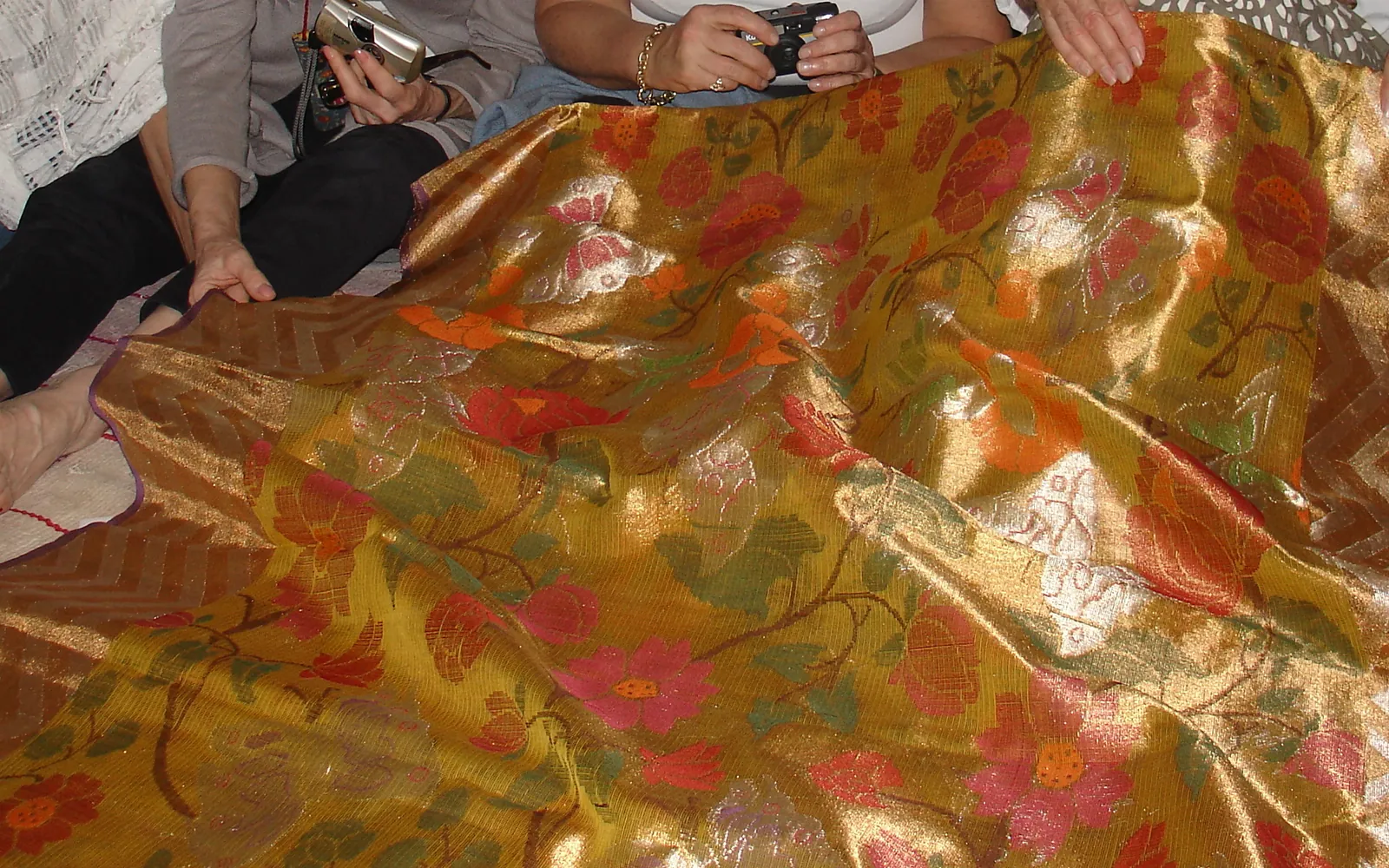
Kota’s summers are long, dry and very hot, and the wrong clothes make them feel worse. The good news is that this is a city full of cloth shops and one of India’s best-known summer weaves. This guide explains the best summer fabrics for hot weather, why they work, and what to check in the shop so that you go home with something genuinely cool rather than something that only looks it.
What makes a fabric cool
Three things decide how comfortable a fabric feels in the heat:
- Fibre. Natural fibres such as cotton and linen absorb sweat and let it evaporate. Fully synthetic fibres such as polyester absorb little moisture, so sweat stays on your skin.
- Weave and weight. An open, light weave lets air move through the cloth. A dense weave of the same fibre is noticeably warmer. Hold the cloth up to the light: if you can see light through it evenly, air can pass too.
- Colour and fit. Light colours reflect more sunlight. Loose fits let air circulate between cloth and skin. India’s heat wave advice from the National Disaster Management Authority recommends lightweight, light-coloured, loose, porous cotton clothes for exactly this reason.
The best summer fabrics compared
Cotton
Cotton is the everyday answer. It is soft, absorbent, easy to wash and available in every weight. For summer, look for light weaves such as cambric, voile and mulmul rather than heavy twill or denim. Cotton dries more slowly than linen, but in Kota’s dry heat this is rarely a problem.
Mulmul (fine muslin)
Mulmul is a very fine, soft, loosely woven cotton. It feels almost weightless and is ideal for kurtas, dupattas and nightwear. It can be slightly sheer, so check whether a garment needs a lining.
Khadi
Khadi is hand-spun and handwoven, usually from cotton. The irregular hand-spun yarn gives it a textured surface and good breathability. It softens with washing. Genuine khadi is sold through khadi institutions and certified sellers; ask how it was made.
Linen
Linen is made from flax. It is strong, dries quickly and feels cool to the touch. It creases easily, which some people like and others do not, and it is often more expensive than cotton. Linen-cotton blends reduce creasing while keeping most of the comfort.
Kota Doria
Kota’s own weave is one of the best fabrics for summer. The square khat pattern creates tiny open spaces that let air through, so even a full saree feels light. Cotton Kota Doria is the coolest; cotton-silk adds sheen and a little warmth, and zari borders add weight. Our Kota Doria guide explains the weave, and our comparison of Kota Doria vs Chanderi vs Maheshwari helps if you are choosing between light sarees.
Rayon and viscose
These are made from plant cellulose, so they breathe better than polyester. They drape beautifully but can cling when damp and may shrink if washed carelessly. A reasonable middle option for printed kurtas and dresses.
Fabrics to avoid in peak heat
- 100% polyester and tightly woven synthetic blends trap heat and sweat.
- Heavy silks and brocades are beautiful but warm; save them for evenings and cooler months.
- Thick denim and twill for long outdoor days.
Quick comparison
| Fabric | Feel in heat | Care | Good for |
|---|---|---|---|
| Light cotton (cambric, voile) | Cool, absorbent | Easy | Daily wear, shirts, kurtas |
| Mulmul | Very light, soft | Gentle wash | Kurtas, dupattas, nightwear |
| Khadi | Breathable, textured | Easy, softens with use | Kurtas, shirts |
| Linen | Very cool, quick-drying | Creases, iron damp | Shirts, trousers |
| Cotton Kota Doria | Very airy | Gentle hand wash | Sarees, dupattas |
| Rayon/viscose | Soft, can cling | Gentle, may shrink | Printed kurtas, dresses |
| Polyester | Traps heat | Easy | Not ideal for peak summer |
Shopping for summer fabric in Kota
- Read the fibre on the label or ask for it on the bill. “Cotton feel” is not cotton. A bill stating the fibre gives you a remedy if the claim is false; see our no exchange no refund guide.
- Do the light test at the shop door: hold the cloth up and look for even, open texture.
- Feel both sides. Some printed fabrics have a coating that makes them stiffer and warmer.
- Ask about shrinkage. Pre-washed or pre-shrunk cloth saves surprises after tailoring. Our blouse stitching tips explain how to prepare fabric before you hand it to a tailor.
- Check handloom claims. A handloom label can help, but read our guide to the Handloom Mark and India Handloom Brand to know what each one means.
Caring for summer fabrics
Light natural fabrics last longer with a little care. Wash in cold or lukewarm water with mild detergent, avoid wringing hard, and dry in the shade so colours do not fade in the strong sun. Kota Doria needs extra gentleness; our guide to washing a Kota Doria saree covers starching and ironing.
When the season turns
Kota’s heat eases after the monsoon, and by December the mornings can be properly cold. The same thinking applies in reverse: read the fibre label, prefer layers to one heavy garment, and choose what you can wash easily. Our winter shopping guide compares wool, blends and acrylic and covers quilts and safe heaters. If you are buying light fabrics for a summer wedding or festival, our wedding shopping guide has a planning checklist, including when to give fabric to the tailor.
Beyond the fabric
The right cloth helps, but it does not replace basic heat safety. Drink water regularly, cover your head outdoors, and avoid strenuous activity in the hottest part of the day. During heat waves, follow official advice from the India Meteorological Department and local authorities.
Frequently asked questions
Is cotton or linen better for summer?
Both are good. Linen dries faster and feels cooler against the skin but creases easily and can be more expensive. Cotton is softer, easier to care for and comes in many weights. In very hot, dry weather, a light cotton or linen in an open weave both work well.
Is Kota Doria good for summer?
Yes. Kota Doria's open khat weave lets air pass through, which is why it has long been worn in the hot months in Rajasthan. Cotton Kota Doria is the coolest; cotton-silk versions have more sheen and are slightly warmer.
Are rayon and viscose good in the heat?
Rayon and viscose are made from plant cellulose and are often comfortable and drapey, but they can cling when damp and are less durable than cotton. They are a reasonable middle option; fully synthetic polyester is usually the least comfortable in heat.
What colours are best in strong sun?
Light colours reflect more sunlight and are generally more comfortable outdoors. India's heat wave guidelines advise lightweight, light-coloured, loose, porous cotton clothing.
Sources
Editorial team
The Kota Market team writes and updates the shopping guides on this site and corrects them when readers point out errors.
