Kota Doria and crafts
Blouse stitching tips: getting a saree blouse made in Kota
Written by Kota Market Editorial Team · Updated
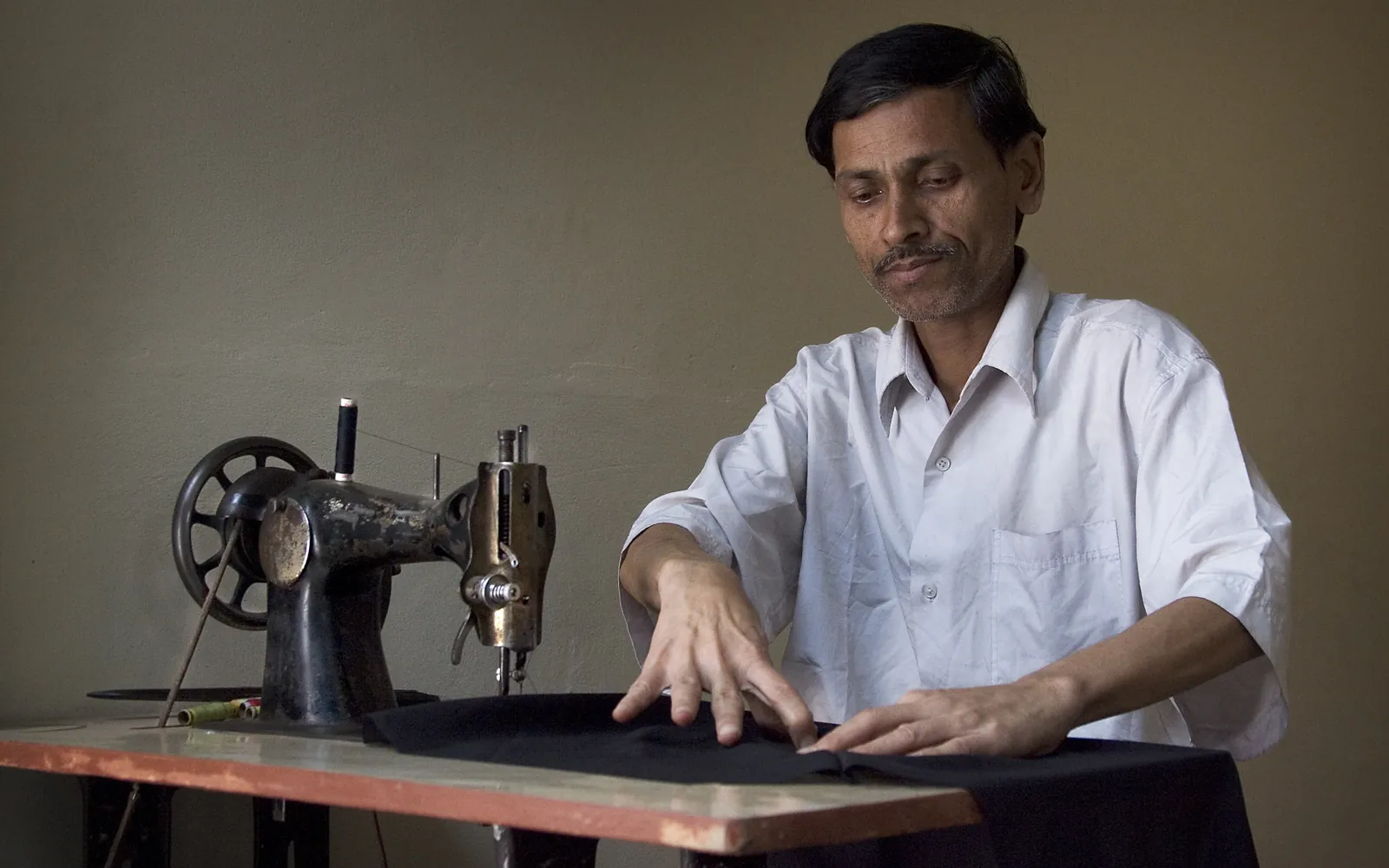
A saree is only as comfortable as its blouse. Whether it is a Kota Doria for summer, a silk for a wedding or a new saree for Diwali, the blouse makes the difference between an outfit you forget you are wearing and one you adjust all evening. Kota has tailors in every market and many neighbourhoods. These blouse stitching tips help you give clear instructions, avoid the common mistakes and get a blouse that fits the first time.
Start with the design, not the measurements
Most stitching disappointments come from instructions that were never clear. Before you go to the tailor, decide:
- Neck shape and depth, separately for front and back: round, square, U, V, sweetheart, boat. Depth is where most misunderstandings happen. Show it on a sample blouse or a photo.
- Sleeves: sleeveless, cap, short, elbow or three-quarter, and how fitted they should be around the arm.
- Opening: front hooks, back hooks or a zip. Front opening is easier to wear without help.
- Lining: almost always for sheer or delicate fabric.
- Padding or cups: some people like them, some do not. Say clearly.
- Back details: tie-ups, tassels, a keyhole. Small additions can change the price and the time needed.
Save a reference photo on your phone and show it. A picture is worth more than any description.
The measurements a tailor usually takes
Many tailors prefer to measure you themselves. If you are giving measurements, the usual list is:
| Measurement | Notes |
|---|---|
| Bust | Around the fullest part |
| Under-bust | Just below the bust |
| Waist (blouse hem) | Where the blouse ends |
| Shoulder | Shoulder point to shoulder point |
| Armhole | Around the arm where it meets the body |
| Sleeve length | From the shoulder point to where the sleeve ends |
| Sleeve round | Around the arm at the sleeve end |
| Front neck depth | From the shoulder line down the front |
| Back neck depth | From the shoulder line down the back |
| Blouse length | From shoulder to the hem |
Wear the innerwear you will wear with the saree when you are measured. It changes the fit more than people expect.
The best shortcut: bring an old blouse that fits you well. Tell the tailor what you would change about it (“half an inch looser at the arm, deeper back”).
Prepare the fabric
- Shrinkage: cotton and handloom fabrics may shrink in the first wash. Many tailors suggest a gentle soak or wash before cutting, following the fabric’s care instructions. Do not wash fabric with zari, sequins or heavy work without advice.
- Colour bleeding: test a corner of a strong colour with a damp white cloth.
- Enough fabric: many sarees come with an attached blouse piece. If you are buying blouse fabric separately, ask the tailor how much they need for your design, especially for long sleeves.
- Lining: if you want a specific shade, buy it yourself and bring it along.
For Kota Doria, which is sheer and airy, a soft cotton lining in a matching shade is the usual choice. Our guide on how to wash a Kota Doria saree covers caring for the fabric, and where to buy genuine Kota Doria in Kota helps if you are still choosing the saree.
Fall, pico and finishing
While the blouse is being stitched, many people also get the saree finished:
- Fall: a strip of fabric stitched along the inner bottom edge of the saree, which helps it drape and protects the edge.
- Pico: a fine machine finish on the raw edges so they do not fray.
Ask whether the tailor does these, or whether there is a separate fall-pico counter nearby, which is common in Kota’s cloth markets. Our shopper’s guide to Kota’s main markets explains where cloth shopping clusters.
Agree everything on the slip
The tailor’s slip or receipt is your record. Check that it shows:
- The design (a quick sketch or note: neck front and back, sleeves, opening, lining, padding).
- Measurements or “as per sample”.
- Delivery date and, if possible, a trial date.
- Charges and the advance paid.
Take a photo of the slip and of the fabric you handed over. We do not list stitching charges here; they vary with the design, the tailor and the season. Ask before you agree, and ask what extras (lining, padding, tassels) cost.
The trial: what to check
If you can, insist on a trial before final finishing. At the trial:
- Sit down and check that the blouse does not ride up or pinch.
- Raise both arms: the armhole should not cut in, and the back should not lift too much.
- Drape the pallu over your shoulder and check the shoulder seam sits right.
- Check the neck depth front and back against what you asked for.
- Fasten and unfasten the hooks or zip yourself.
It is far easier to fix things at this stage than after finishing.
Timing: festivals and weddings
Tailors in Kota get extremely busy before Diwali, Karva Chauth and throughout the wedding season. Give your fabric well in advance, ask for a firm delivery date, and plan your own margin of a few days. Our Diwali shopping in Kota guide has more on planning festival purchases.
If something goes wrong
Most problems are fixed with an alteration. A good tailor will correct a fit that does not match the agreed measurements or design. If the fabric is damaged or the tailor refuses to correct a clear mistake, keep the slip, the photos and any messages. Stitching is a service, and deficient service can be raised with the National Consumer Helpline; see our guide on how to file a consumer complaint in India.
Choosing fabric for summer blouses
In Kota’s long hot season, the lining and blouse fabric matter as much as the cut. Light cotton such as cambric or mulmul makes a cooler lining than synthetic material, and a blouse for a Kota Doria saree usually works best in a breathable cotton or cotton-silk. Our guide to the best summer fabrics for hot weather compares the options, and our guide to the Handloom Mark vs India Handloom Brand explains what the labels on handwoven blouse pieces mean.
Quick checklist
- Reference photo and a well-fitting sample blouse
- Neck front and back, sleeves, opening, lining, padding decided
- Fabric checked for shrinkage and bleeding
- Slip shows design, measurements, dates, charges and advance
- Trial booked; fall and pico arranged
- Leftover fabric collected
Frequently asked questions
What measurements does a tailor need for a saree blouse?
Usually bust, under-bust, waist at the blouse hem, shoulder, armhole, sleeve length and sleeve round, front and back neck depth, and blouse length. Many tailors take these themselves; bringing a well-fitting old blouse as a sample helps a lot.
How long does blouse stitching take?
It depends on the tailor's workload and the design. Simple blouses can be quick in a quiet month, but before Diwali and in the wedding season tailors get very busy. Ask for a firm delivery date and give yourself a margin.
Should I wash fabric before giving it for stitching?
For cotton, handloom and other fabrics that may shrink, many tailors recommend a gentle pre-wash or soak first, following the fabric's care instructions. Ask your tailor, and do not pre-wash fabric with delicate work or zari without advice.
Does a Kota Doria saree blouse need lining?
Usually yes. Kota Doria is a sheer, open weave, so most people line the blouse with a soft cotton lining in a matching shade for comfort and coverage.
What if the blouse does not fit?
Ask for alterations at the trial. A tailor who stitches to your measurements and design should correct their own mistakes. If a dispute cannot be settled, deficient service is a consumer matter, so keep the slip and receipts.
Sources
Editorial team
The Kota Market team writes and updates the shopping guides on this site and corrects them when readers point out errors.