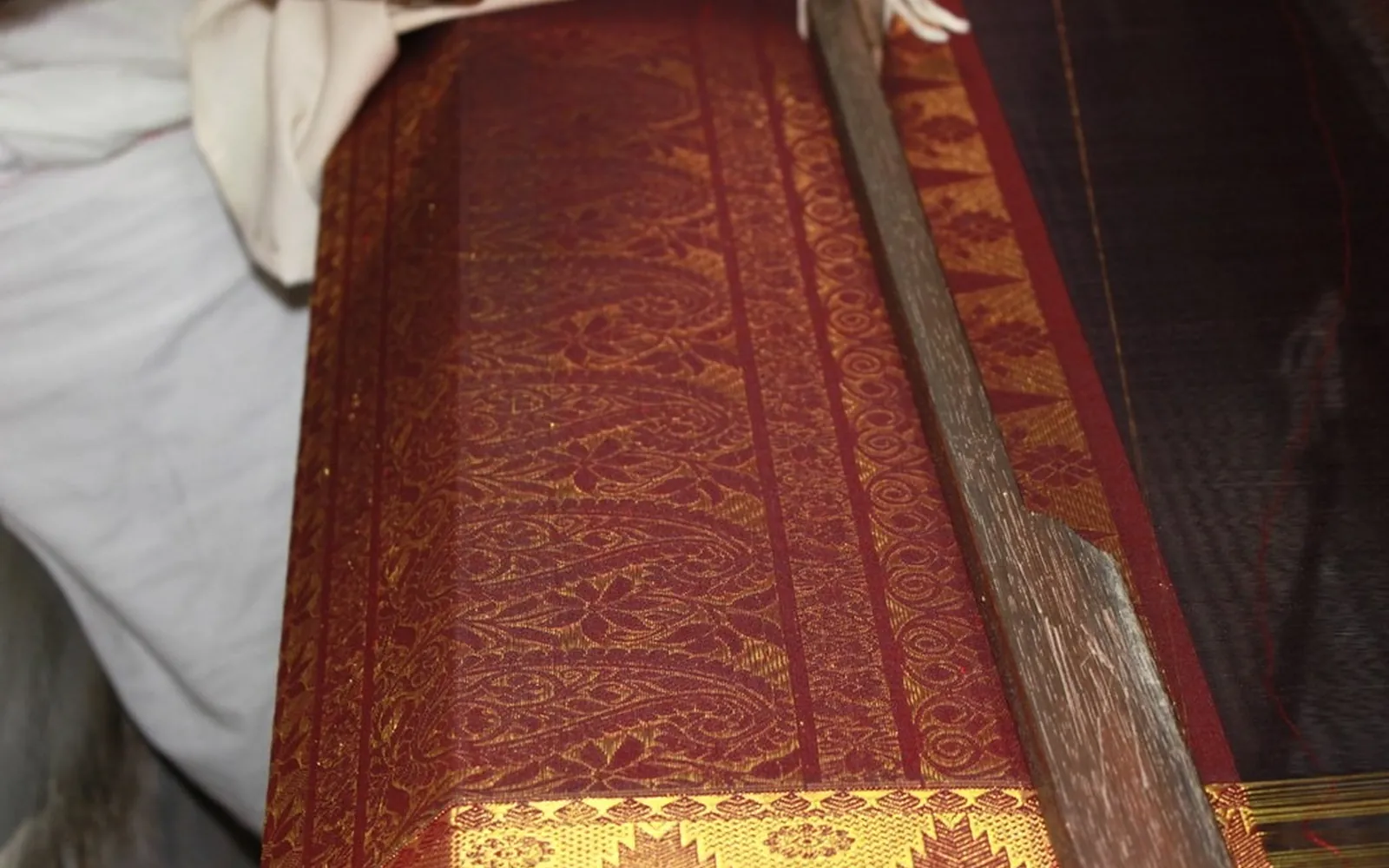
Kota Doria and crafts
Kota Doria vs Chanderi vs Maheshwari: Which Saree to Buy?
Written by Kota Market Editorial Team · Updated
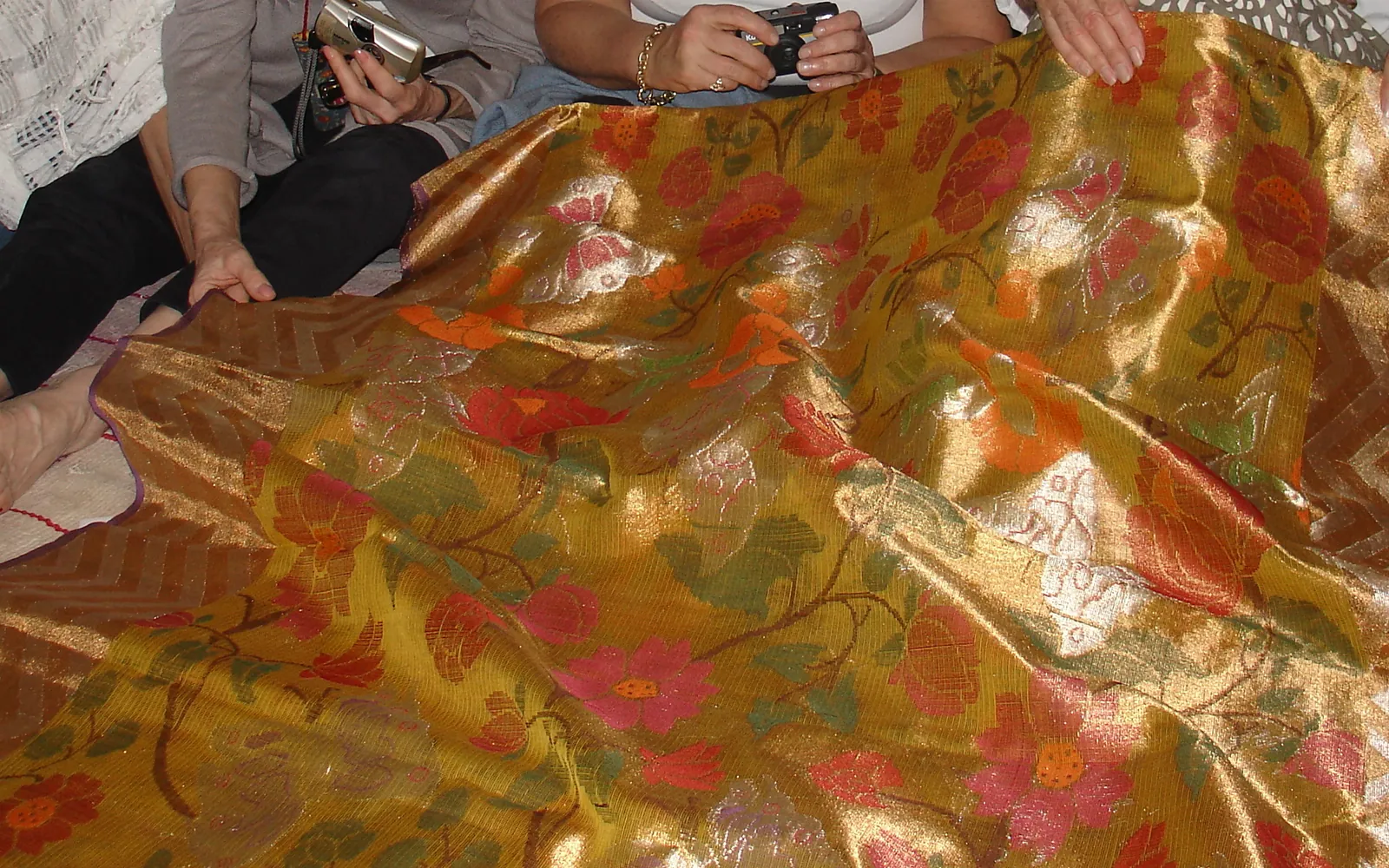
When people shop for a light, elegant handwoven saree, the same three names keep coming up. The question of Kota Doria vs Chanderi vs Maheshwari is really a question about weave, feel and occasion. All three are lightweight, all three are protected as Geographical Indications, and all three are copied on power looms. But they come from different places, look different when you know what to look for, and suit different days.
This guide compares them honestly. We are a Kota site, so we know Kota Doria best, but the aim is to help you choose the right fabric, not to sell you one.
Where each fabric comes from
- Kota Doria is woven in and around Kota in south-east Rajasthan, most famously in Kaithoon, on traditional pit looms. Read our full guide to the weave.
- Chanderi comes from Chanderi, a historic weaving town in Madhya Pradesh.
- Maheshwari comes from Maheshwar, on the Narmada river in Madhya Pradesh.
Each name is registered as a Geographical Indication, which means the name is legally linked to fabric from that area made in the traditional way. You can check each registration on the GI Registry’s public search; our Kota Doria GI tag guide explains how.
The quick comparison
| Kota Doria | Chanderi | Maheshwari | |
|---|---|---|---|
| Signature feature | Square check (khat) | Sheer, glossy texture; small woven butis | Reversible border; stripes and checks |
| Common fibres | Cotton; cotton and silk | Silk; silk-cotton; cotton | Cotton; silk-cotton |
| Feel | Very light, open, crisp when starched | Sheer, smooth, slightly glossy | Light, soft, easy drape |
| Typical look | Airy grid, often with zari borders or prints | Fine, formal, often gold or silver zari | Clean lines, simple borders |
| Best for | Hot weather, daytime, office, gifting | Festive, formal, evening | Everyday, office, travel |
| Care | Cotton: careful hand wash; zari: dry clean | Often dry clean | Cotton: gentle hand wash |
How Kota Doria differs
The defining feature of Kota Doria is the khat: small squares formed by grouping cotton and silk threads in the warp and weft. Hold it up to daylight and you will see an airy grid. The cotton gives body and the silk gives sheen, which is why the fabric can be so light yet hold its shape. On a handwoven piece the squares are very slightly irregular. Kota Doria is often finished with starch, which gives it a crisp drape, and is also sold printed, embroidered or with zari borders.
How Chanderi differs
Chanderi is known for a sheer, almost translucent fabric with a soft gloss. It is traditionally woven with fine silk and cotton yarns and often decorated with small woven motifs called butis, scattered across the body, along with zari borders. Chanderi usually feels smoother and slightly denser in the hand than Kota Doria and has no square grid. It is the most formal of the three and is often chosen for festive occasions.
How Maheshwari differs
Maheshwari sarees are typically woven in cotton or silk-cotton with simple designs: stripes, checks and plain bodies with distinctive borders. A well-known feature is the reversible border (often called bugdi), which looks finished on both sides, so the saree can be worn either way. Maheshwari is soft, comfortable and practical, and is a favourite for daily and office wear.
How to tell them apart in a shop
- Hold it to the light. A square grid points to Kota Doria. A sheer, even fabric with small woven motifs suggests Chanderi. Stripes or checks with a solid, reversible border suggest Maheshwari.
- Turn the border over. A Maheshwari border should look finished on both sides. Woven motifs on Chanderi and Kota Doria show floating threads on the reverse.
- Feel the weight and texture. Kota Doria feels open and crisp; Chanderi smooth and glossy; Maheshwari soft and pliable.
- Ask the seller directly where it was woven and what the fibre is, and get both on the bill.
Copies of all three exist
Because all three are popular, power-loom versions and blends are sold everywhere, sometimes under the original names. The checks in our Kota Doria vs power-loom guide work for Chanderi and Maheshwari too: look for slight irregularity in the weave, a handwoven selvedge, floating threads behind woven motifs, natural fibres (a careful burn test on a stray thread, with permission) and a price that makes sense for handwork.
A power-loom saree is not a bad buy in itself. The problem is only when it is sold as handwoven at a handwoven price.
Which one should you buy?
- For hot Kota summers and long days outdoors: a cotton Kota Doria, or a cotton Maheshwari.
- For a wedding, festival or formal evening: Chanderi, or a zari-bordered Kota Doria.
- For daily office wear and easy care: Maheshwari cotton or a plain cotton Kota Doria.
- For a gift from Kota: Kota Doria, because it is the fabric of the place. Our gift guide explains how to pack it.
Buying in Kota
In Kota you will find Kota Doria everywhere and Chanderi and Maheshwari mainly in larger saree shops and emporiums. If your main interest is Kota Doria, buying close to the source in Kaithoon or from established cloth shops in the old city gives you the best chance of a genuine piece; our buyer’s guide explains the options. For the others, the same rules apply: ask where it was woven, inspect it in daylight and get a descriptive bill.
Labels that help you check
All three weaves have registered Geographical Indications, and all three can also carry the government’s handloom labels. A label is useful evidence, but not proof on its own. Our guide to the Handloom Mark vs India Handloom Brand explains what each label certifies, and our Kota Doria GI tag guide shows how to check a registration. If you mainly want a saree for the hot months, our comparison of the best summer fabrics explains why open weaves like Kota Doria feel coolest.
Caring for each fabric
All three dislike hot water, harsh detergent, wringing and direct sun. Cotton pieces generally hand-wash well in cold water; silk-rich pieces and anything with real zari are safer dry cleaned. Our step-by-step guide on how to wash a Kota Doria saree applies broadly to Maheshwari cotton too.
Frequently asked questions
Which is lighter, Kota Doria or Chanderi?
Both are very light. Kota Doria usually feels more open and airy because of its square khat weave; Chanderi is sheer but has a smoother, denser hand and more sheen.
Which saree is best for summer?
All three suit hot weather. Cotton Kota Doria is the classic choice for heat because of its open weave. Cotton Maheshwari is a comfortable everyday option.
Can I tell them apart by looking?
Usually. Look for the khat squares in Kota Doria, small woven butis and a sheer gloss in Chanderi, and a border that looks the same on both sides in Maheshwari. Copies of all three exist, so look closely.
Are all three GI tagged?
Yes. Kota Doria, Chanderi fabric and Maheshwar sarees and fabrics are each registered Geographical Indications. You can search all three on the GI Registry's public search.
Which is easiest to care for?
Cotton Maheshwari and plain cotton Kota Doria are the easiest to hand-wash at home. Silk-based Chanderi and anything with real zari is safer dry cleaned.
Sources
Editorial team
The Kota Market team writes and updates the shopping guides on this site and corrects them when readers point out errors.