Markets and shopping
How to check a silver hallmark before you buy
Written by Kota Market Editorial Team · Updated
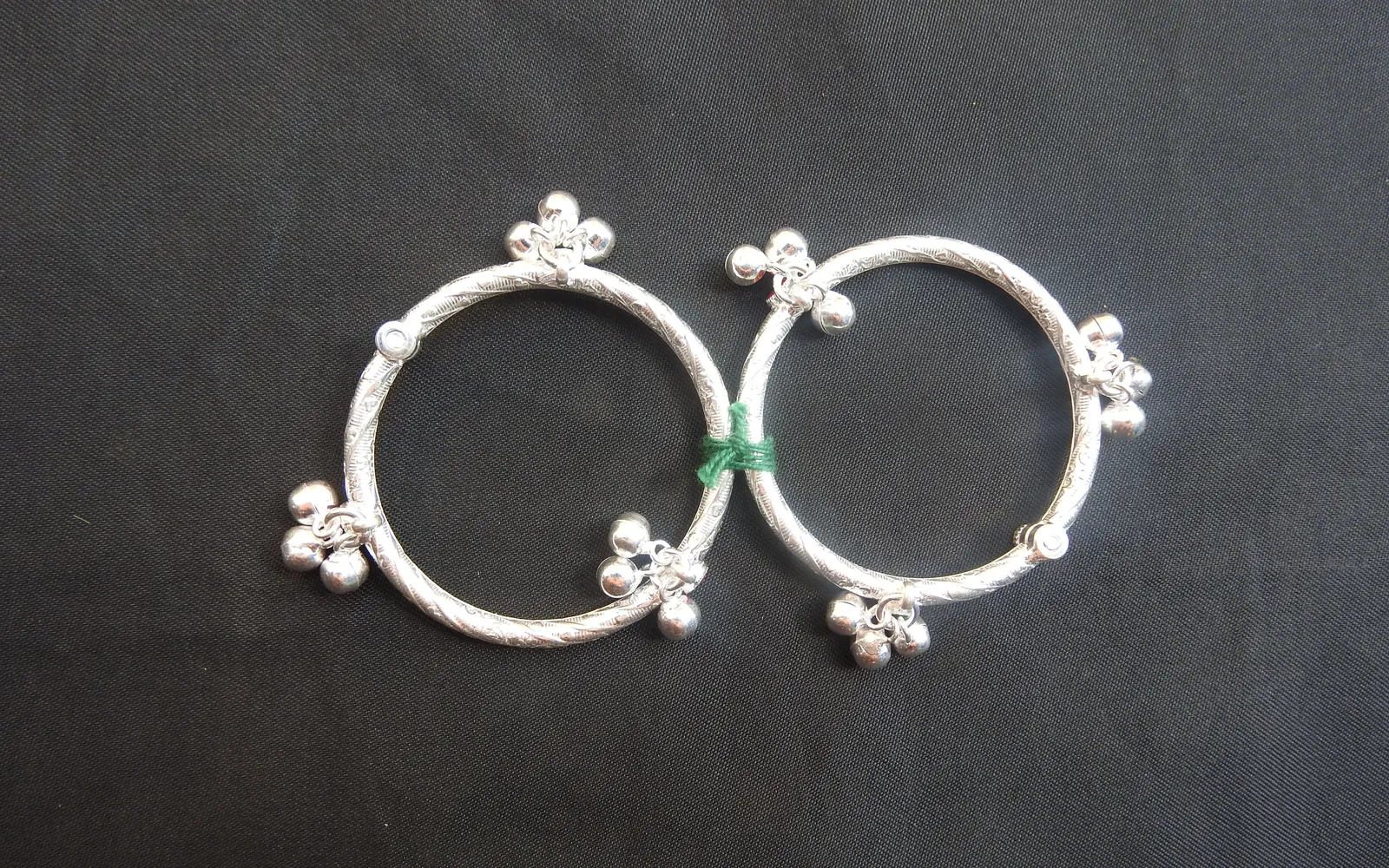
Silver is part of everyday life in Rajasthan: anklets (payal) for a new bride, a coin for Dhanteras, a small bowl or glass for a baby, puja items for the home. Until recently, buyers mostly had to trust the jeweller on purity. A revised silver hallmark scheme from the Bureau of Indian Standards (BIS) now makes it possible to check a piece yourself. This guide explains the marks, how to verify them and how to read a silver bill in Kota’s jewellery markets.
It is general guidance. Rules can change, so check the BIS hallmarking page for the current position.
What changed in September 2025
From 1 September 2025, BIS introduced HUID-based hallmarking for silver jewellery and articles under a revised standard, IS 2112:2025. The key points reported at launch:
- Hallmarking of silver remained voluntary for jewellers.
- But any silver item that is hallmarked must now carry a HUID (Hallmark Unique Identification), a six-character code unique to that piece.
- Buyers can check hallmarked items in the BIS Care app.
BIS has since said it is assessing what is needed before silver hallmarking could become mandatory. Because that could change, check the BIS website rather than relying on a shop’s word.
The three marks to look for
A silver item hallmarked under the revised standard should carry:
- The BIS standard mark with the word “SILVER”.
- The purity grade, a number in parts per thousand.
- The HUID, a six-character alphanumeric code.
The marks are small. Ask the jeweller to show you where they are and use a magnifier or your phone camera’s zoom.
What the purity grades mean
The revised standard lists seven grades:
| Grade | Silver content |
|---|---|
| 800 | 80.0% |
| 835 | 83.5% |
| 925 | 92.5% (often called sterling) |
| 958 | 95.8% |
| 970 | 97.0% |
| 990 | 99.0% |
| 999 | 99.9% (fine silver) |
Lower grades contain more of other metals, which can make the piece harder and more durable, but the silver value per gram is lower. Anklets, chains and toe rings are often made in lower grades for strength; coins and bars are usually in the highest grades. Neither is “better” for every use. What matters is that the grade on the item matches what you are paying for.
How to verify the HUID in the BIS Care app
- Install the official BIS Care app from your phone’s app store (check that the publisher is the Bureau of Indian Standards).
- Open the option to verify a HUID.
- Type the six-character code from the item.
- Compare what the app shows, such as the article type, purity grade, hallmarking date and the testing centre, with the item in your hand and what the jeweller told you.
If the HUID is not found, or the details do not match (for example, the app says “ring” and you are holding an anklet), do not buy until the jeweller can explain. Our gold hallmark guide uses the same app for gold.
Older and family silver
Plenty of silver in Kota households predates the revised scheme. Silver hallmarked under the older standard carried a different set of marks, and much older family silver was never hallmarked at all. That does not make it fake; it just means the BIS Care check does not apply. When you sell or exchange old silver, the jeweller will usually test it. Ask how they test, watch the weighing, and ask for the result in writing.
Our antique hunting guide covers buying older pieces, where age and craftsmanship matter as much as purity.
Reading a silver bill
A clear bill protects you if you later want to exchange, resell or complain. Ask for:
- The weight of the item (gross weight, and net silver weight if there are stones or other materials).
- The purity grade and the HUID if hallmarked.
- The silver rate used, per gram or per kilogram, and the date.
- Making charges, shown separately.
- Taxes, shown separately.
- The shop’s name, address and GST number.
A hallmark tells you the purity. It does not tell you whether the making charge is reasonable. Compare a couple of shops for the same type of item before a large purchase.
Questions to ask the jeweller
A good jeweller will answer these without fuss:
- Is this piece hallmarked, and where are the marks?
- What is the purity grade, and does the bill show it?
- What silver rate are you using today, and is the making charge per gram or a fixed amount?
- If there are stones, beads or lac inside, what is the net silver weight?
- What is your exchange or buy-back policy, and is it written on the bill?
If the answers are vague, or the shop is reluctant to give a proper bill, consider buying elsewhere.
Buying silver at festival time
Dhanteras and the wedding season are the busiest times for silver in Kota. Shops are crowded, and decisions get rushed. Decide what you want before you go, check the hallmark and bill for every item, and avoid paying cash for large purchases without a bill. Our Diwali shopping in Kota guide has more festival tips, and the best gifts to buy in Kota has ideas beyond jewellery.
Caring for silver
Silver tarnishes in air and with sweat, especially in Kota’s humid monsoon. Store pieces in a dry pouch or box, wipe them after wearing, and avoid harsh chemicals, which can damage plating or stones. For valuable pieces, ask the jeweller about cleaning rather than using abrasive powders.
Silver for weddings
Silver anklets, toe rings, utensils and coins are traditional wedding gifts in Rajasthan, and families often buy several pieces at once. Check each piece separately, ask for the weight, grade and HUID of each item on the bill, and keep all the bills together. Our wedding shopping guide has a full checklist for jewellery, clothes and vendors. If you pay in cash, count it at the counter; the jeweller will check your notes, and you should check any change you receive with the steps in our guide to identifying fake currency notes.
If something is wrong
If a hallmarked item fails a later test, the HUID does not match, or the bill does not reflect what you were told, raise it with the jeweller first in writing. You can then contact BIS through its website or app, and register a consumer complaint with the National Consumer Helpline. See our guide on how to file a consumer complaint in India.
Frequently asked questions
Is silver hallmarking compulsory in India?
When the revised scheme started on 1 September 2025 it was voluntary, but any silver that is hallmarked must carry a HUID. BIS has said it is assessing whether and how to make it mandatory. Check the BIS website for the current rules on the day you buy.
What does 925 mean on silver?
It is the purity grade in parts per thousand: 925 means the metal is 92.5% silver, often called sterling silver. The other grades in the revised standard are 800, 835, 958, 970, 990 and 999.
How do I verify a silver HUID?
Install the official BIS Care app, open the HUID verification option and type the six-character code from the item. The app shows details such as the article type, purity grade, hallmarking date and the testing centre.
My old silver has different marks. Is it fake?
Not necessarily. Silver hallmarked under the older standard carried a different set of marks, and much older family silver was never hallmarked. The BIS Care app check applies to silver hallmarked under the revised scheme.
Does a hallmark tell me the price is fair?
No. A hallmark confirms purity. The price also depends on the day's silver rate, the weight and the making charges, which you should see itemised on the bill.
Sources
Editorial team
The Kota Market team writes and updates the shopping guides on this site and corrects them when readers point out errors.