Markets and shopping
RO vs UV Water Purifier: Which One Does Your Home Need?
Written by Kota Market Editorial Team · Updated
A water purifier is one of the first things many families, PG owners and students buy when they move into a new place in Kota. Shops will show you a wall of machines labelled RO, UV, UF, “mineral” and “copper”. The honest answer to the RO vs UV water purifier question is that it depends on the water coming out of your tap. This guide explains what each technology does, how to test your water first, and what to check before you pay.
What each technology does
RO (reverse osmosis)
An RO purifier pushes water under pressure through a very fine membrane. Most dissolved salts pass out with a stream of waste water, and the purified water goes to the storage tank. RO reduces total dissolved solids (TDS) and many dissolved contaminants. Because it removes so much, it also removes minerals, which is why some models have a “TDS controller” or “mineraliser” that blends some water back in.
The catch: RO sends part of the incoming water to the drain, and it needs mains electricity and reasonable water pressure. Membranes and filters need replacing.
UV (ultraviolet)
A UV purifier passes water past a UV lamp. The light inactivates bacteria and viruses so they cannot multiply. UV does not remove dissolved salts, chemicals or suspended dirt; it works best on water that is already clear. UV purifiers waste almost no water.
UF (ultrafiltration)
UF uses a membrane with larger pores than RO. It removes suspended particles and many bacteria, and some models work without electricity. Like UV, it does not reduce TDS. UV and UF are often combined.
Carbon filters and “extras”
Most purifiers include sediment and activated carbon filters to remove dirt, chlorine taste and some odours. Claims about “copper”, “alkaline” or “mineral” water are marketing features; judge the purifier on its basic purification first.
Why TDS matters, and its limits
TDS (total dissolved solids) measures the dissolved salts and minerals in water, in mg/l. The Indian drinking water standard, IS 10500, gives an acceptable limit of 500 mg/l, with a higher permissible limit only where there is no alternative source.
- Low TDS water that may carry germs mainly needs disinfection: UV, UV plus UF, or boiling.
- High TDS water, often from some borewells, may need RO to bring TDS down and improve taste.
A cheap TDS meter tells you the TDS, nothing else. It cannot tell you whether water has bacteria, nitrate, fluoride or other contaminants. A low TDS reading is not proof that water is safe.
Test your water before you buy
- Know your source. Many Kota homes get piped water supplied by the city’s public water system, which draws on the Chambal. Others rely on borewells, tankers or a mix, especially in newer colonies and some PGs. Ask the landlord or neighbours.
- Get a lab test if you can. Government water testing labs run by the Public Health Engineering Department and accredited private labs test drinking water for a fee. A lab report on TDS, hardness, fluoride, nitrate and bacteria is the best basis for choosing.
- At minimum, measure TDS and note taste, smell, colour and scale on utensils.
- Be wary of in-home “demonstrations” by salespeople using electrolysis kits that turn water brown. These do not show what is in your water and are a sales tactic.
Matching purifier to water
| Your water | Usually enough | Notes |
|---|---|---|
| Piped municipal, low TDS, clear | UV or UV plus UF | Add a sediment and carbon stage |
| Borewell or tanker, high TDS | RO with UV or UF | Plan for reject water |
| Mixed supply that changes | RO with TDS control | Re-test when your source changes |
| No electricity or low pressure | Gravity UF or boiling | Check what it does and does not remove |
What to check in the shop
- BIS certification. RO-based point-of-use purifiers are covered by IS 16240; check the BIS mark and licence number where it applies, using our ISI mark guide.
- Filter and membrane costs. Ask the price and replacement interval of each part. The running cost over several years can exceed the purchase price.
- Service in Kota. Ask how service is booked, whether technicians come from the maker or a local dealer, and response times.
- Annual maintenance contracts. Read what an AMC covers before you sign. Our warranty vs guarantee guide explains how to read cover terms.
- Bill. Get a GST bill with the model and serial number; you can check the seller with our GST number guide.
Installation and the reject water
An RO purifier needs a power point, a water inlet and a drain. Ask the installer to fit a pipe to a bucket or tank so reject water can be reused for mopping floors, flushing or washing vehicles. Do not use it for drinking, and be careful using it on plants, because it is salty. In a city that sees hot, dry summers, it is wasteful to let it run down the drain. Do not drill or alter plumbing in a rented home without the owner’s consent; settle it in writing using our rent agreement checklist.
The traditional option
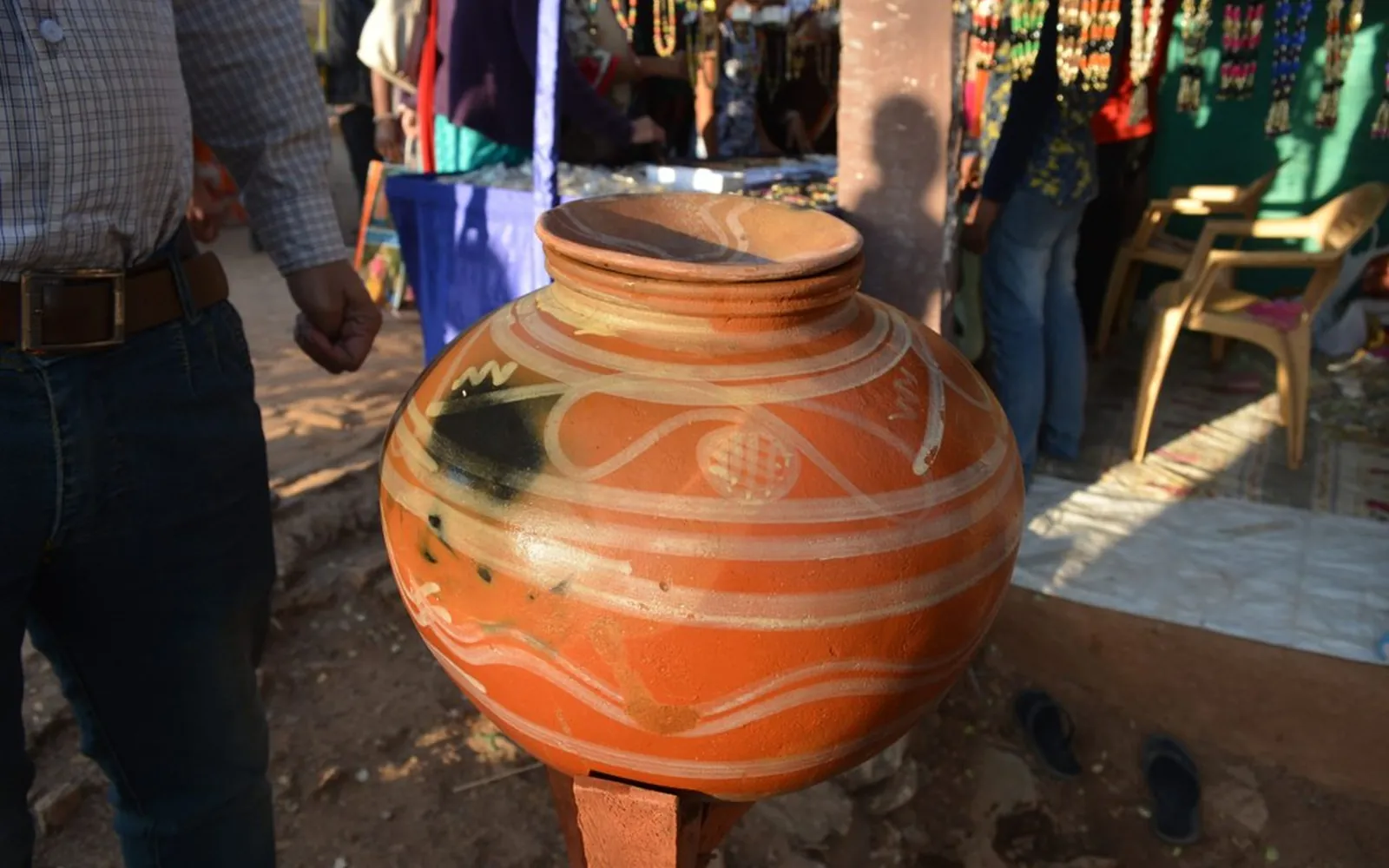
Many Kota households still keep water in a clay matka in summer. A matka cools water by evaporation; it does not purify it. If you use one, fill it with water that is already safe, keep it covered, clean it regularly and replace it when it cracks.
Students and PGs
If your PG provides a shared purifier, ask when its filters were last changed and who is responsible. A purifier with an overdue filter can be worse than none. If you buy a small purifier yourself, make sure you can take it with you and that the owner allows installation. Our student room essentials guide covers other things worth buying locally.
Signs your purifier needs service
- The water tastes salty, flat or odd, or the TDS reading of purified water has risen.
- Flow has slowed or the tank takes much longer to fill.
- The UV indicator shows a fault or the lamp has gone out.
- Leaks or unusual noise from the pump.
- The purifier has not been serviced for longer than the maker recommends.
When you book service, ask the technician to show which filters are being changed and to write the parts and cost on the bill. Be wary of unscheduled callers who say they are from the maker; book service only through the maker’s or dealer’s official contact.
Keep it working
- Replace filters on schedule, not when the water starts to taste odd.
- Clean the storage tank as the manual advises.
- If the purifier sits unused for days, run and discard the first water.
- Re-test water if your source changes, for example from piped supply to tanker in summer.
The best purifier is the one matched to your water and maintained properly, not the one with the longest list of stages on the box.
Frequently asked questions
What is the main difference between RO and UV purifiers?
RO (reverse osmosis) pushes water through a fine membrane that removes most dissolved salts and many dissolved contaminants. UV (ultraviolet) exposes water to UV light to inactivate bacteria and viruses, but it does not change the dissolved salts. Many purifiers combine both.
Do I need an RO purifier in Kota?
It depends on your source. If your home gets piped municipal water with low TDS, a UV or UV-plus-UF purifier may be enough. If you rely on a borewell or tanker water with high TDS, RO may be needed. Test your water first.
What TDS level is acceptable for drinking water?
The Indian drinking water standard, IS 10500, gives an acceptable limit of 500 mg/l for total dissolved solids, with a higher permissible limit only where no alternative source is available. TDS alone does not show whether water is microbiologically safe.
Does RO waste water?
Yes. RO purifiers send a portion of the incoming water to the drain as reject water, which carries the removed salts. You can collect it for mopping, flushing or washing vehicles, but not for drinking or for plants that dislike salty water.
How often should purifier filters be changed?
Follow the maker's schedule, which depends on the model and your water quality. Ask at the time of purchase what each filter costs and how often it needs replacing, and get it in writing.
Sources
Editorial team
The Kota Market team writes and updates the shopping guides on this site and corrects them when readers point out errors.